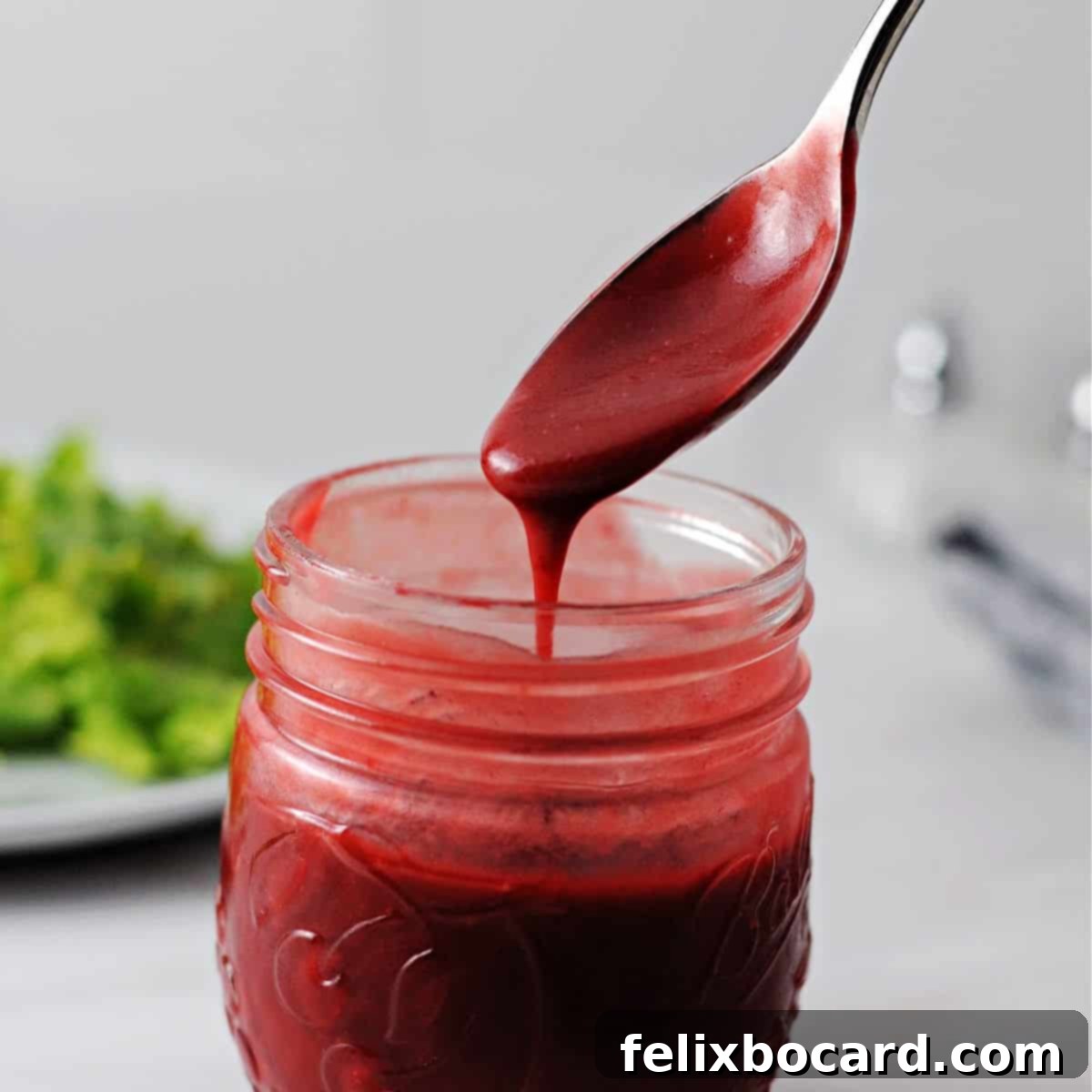
Homemade Raspberry Balsamic Vinaigrette: A Burst of Flavor for Your Salads
Elevate your salads with this exquisite homemade balsamic vinaigrette dressing, reimagined with the vibrant sweetness and subtle tartness of fresh raspberries. A true kitchen staple, traditional balsamic vinaigrette offers a delightful balance of sweet and tangy notes, making it a versatile choice for countless salad creations, especially those featuring fruits. However, we’re taking it a step further by infusing the dressing directly with real fruit for an unparalleled depth of flavor.
This recipe transforms a classic into a spectacular raspberry balsamic vinaigrette dressing. Starting with a beloved balsamic base, we’ll guide you through crafting a silky raspberry puree, then carefully adjusting the proportions to achieve a perfectly harmonious blend of flavors. The result is a dressing that marries the bright, zesty character of raspberries with the sophisticated tang of balsamic vinegar, rounded out by just enough sweetness to captivate your palate.
Beyond its incredible taste, making your own salad dressing offers numerous benefits. You gain complete control over the ingredients, avoiding artificial flavors, excessive sugars, and unhealthy additives often found in store-bought varieties. This homemade version promises a fresher, healthier, and undeniably more delicious experience, perfect for enhancing everything from a simple green salad to a gourmet fruit and cheese creation. Get ready to impress your taste buds and your guests with this easy-to-make, exceptionally flavorful dressing!
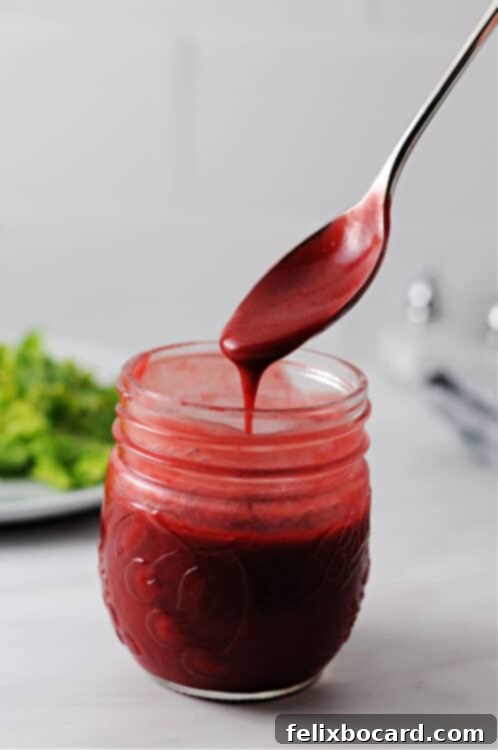
Why This Homemade Raspberry Balsamic Vinaigrette Shines
For years, a quality balsamic vinaigrette has been a staple in our household. It’s my absolute favorite and my go-to choice for dressing almost any salad. However, my partner has always held a special fondness for raspberry vinaigrette, frequently ordering it when we dine out. This sparked a culinary quest.
One day, I sampled a store-bought raspberry vinaigrette he loved and was quite frankly, shocked. Its overwhelming sweetness tasted artificial, more akin to flavored corn syrup than a genuine vinaigrette. It was a clear departure from the fresh, vibrant taste I knew a true raspberry dressing could offer. I knew I could do better – and create something far more authentic and delicious.
My goal was to craft a dressing that satisfied the desire for sweetness but also delivered the unmistakable, natural tang of real raspberries, balanced by the distinctive acidity of balsamic vinegar. It couldn’t be just sweet; it needed complexity, a harmony of flavors that danced on the tongue.
The result of this endeavor is a truly exceptional dressing. It’s a delightful blend of tangy and sweet, where the bright, fresh notes of raspberries beautifully complement the deep, complex tang of balsamic vinegar. This vinaigrette proves that homemade is always best, allowing you to achieve a perfect flavor profile that mass-produced options simply cannot match. It’s a testament to how simple, quality ingredients can create something truly extraordinary, transforming an ordinary salad into a gourmet experience.
Essential Ingredients for Your Raspberry Balsamic Dressing
Crafting this flavorful raspberry balsamic vinaigrette starts with a few simple, high-quality ingredients. Each component plays a vital role in building the dressing’s rich flavor and smooth texture.

Scroll down to the recipe card for precise quantities and step-by-step instructions!
Key Ingredients Explained:
- Raspberries (Frozen or Fresh): The star of our dressing! Frozen raspberries are convenient and often more economical, especially when fresh ones are out of season. They break down beautifully when thawed, providing intense fruit flavor. If using fresh, ensure they are ripe and sweet for the best results.
- Extra Virgin Olive Oil: As a primary component of any vinaigrette, the quality of your olive oil matters. Choose a good quality extra virgin olive oil with a fruity, mild flavor that won’t overpower the delicate raspberry and balsamic notes. It helps emulsify the dressing and provides a smooth mouthfeel.
- Balsamic Vinegar: This rich, dark vinegar brings a distinctive tang and depth. The quality of balsamic vinegar can vary widely. A good quality balsamic will have a balanced sweetness and acidity. You’ll use it twice – once to help the raspberries release their juices, and again in the final blend.
- Honey: A natural sweetener that complements the fruit and vinegar. Honey adds a lovely floral note and contributes to the dressing’s smooth consistency. Adjust the amount to your preference for sweetness.
- Brown Sugar: Adds another layer of sweetness and a hint of molasses depth, which pairs wonderfully with balsamic vinegar. Like honey, it helps balance the tartness of the raspberries and vinegar.
- Salt: Essential for enhancing all the other flavors. Use fine sea salt or kosher salt, and adjust to your taste.
- White Pepper: Chosen for its milder heat profile compared to black pepper and for aesthetic reasons (it won’t leave dark specks in your vibrant pink dressing). It adds a subtle warmth without being overpowering.
Using quality ingredients ensures that your homemade raspberry balsamic vinaigrette will be exceptionally flavorful and truly stand out.
Crafting Your Homemade Raspberry Balsamic Dressing: Step-by-Step
Making your own salad dressing is surprisingly quick and simple, and this raspberry balsamic vinaigrette is no exception. In just a few easy steps, you’ll have a gourmet dressing ready to enjoy!
Step 1: Preparing the Raspberry Puree
Begin by preparing your raspberries. I typically opt for frozen raspberries as they are readily available year-round and thaw quickly. Place the frozen berries in a small microwave-safe bowl and microwave them on high for one to two minutes. This process thaws them and begins to break down their structure, making them easier to puree.
Once microwaved, add one tablespoon of balsamic vinegar to the raspberries. Stir this mixture well and then set the bowl aside for about 10 minutes. This resting period is crucial as it allows the flavors to meld and encourages the raspberries to release their juices, enhancing the intensity of the puree.
Step 2: Straining for Smoothness
After the raspberries have rested, give the mixture another stir. Now, it’s time to strain out the seeds and pulp to achieve a silky-smooth puree. Place a fine-mesh sieve over another bowl or a measuring cup. Pour the raspberry mixture into the sieve.
Using the back of a spoon or a flexible spatula, press firmly against the solids in the sieve, encouraging as much liquid puree as possible to pass through. Work methodically to extract every last drop of flavorful juice. From one cup of frozen berries, you should yield approximately ¼ to ⅓ cup of vibrant raspberry puree. This step ensures a luxurious, seed-free dressing texture.
Step 3: Blending All Ingredients
Once your raspberry puree is ready, transfer it to a small blender or food processor. Add all the remaining ingredients: extra virgin olive oil, the rest of the balsamic vinegar, honey, brown sugar, salt, and white pepper. Ensure all ingredients are in the blender to achieve proper emulsification.
If you don’t have a dedicated blender, an immersion blender with a small blending attachment works perfectly. Here’s a look at the type of immersion blender I use, which comes with a convenient small blender function:

Step 4: Achieving the Perfect Consistency and Flavor
Blend the ingredients on medium to high speed for about one minute. The goal is for all components to be thoroughly incorporated and emulsified, creating a smooth, cohesive dressing. The blender is excellent for achieving this silky texture, which is often harder to replicate by hand.
After blending, give the dressing a quick taste. This is your opportunity to fine-tune the flavors. If the balsamic tang is too prominent or if you prefer a sweeter dressing, add a little more honey or brown sugar, one teaspoon at a time, and blend again briefly. Remember, the intensity of balsamic vinegar can vary, so it’s always best to start with the lesser amount of sweeteners and adjust as needed to suit your personal preference.
While a blender provides the most desirable smooth consistency, don’t worry if you don’t have one. Whisking vigorously by hand in a bowl will also work, though it may require more effort to fully emulsify. Alternatively, you can combine all ingredients in a Mason jar, seal it tightly with a lid, and shake vigorously until well combined. While these manual methods are effective, I personally find that a blender yields a superior, consistently smooth texture that I simply adore. My patience for hand-whisking or shaking to that degree might be a little limited!
Storage Tips for Your Homemade Raspberry Balsamic Dressing
Proper storage ensures your delicious homemade raspberry balsamic vinaigrette remains fresh and ready to use whenever a salad craving strikes. This dressing is designed for convenience, lasting well in the refrigerator.
Once prepared, transfer the dressing to a clean, airtight container. A small Mason jar with a tight-fitting lid is an ideal choice, as it’s easy to store and allows for quick shaking before use. Store the dressing in the refrigerator. It should maintain its quality for up to two weeks, though in most households, it’s often enjoyed much sooner!
It’s completely natural for homemade vinaigrettes to separate over time, especially when stored in the fridge. The oil and vinegar components will tend to layer, which is a sign of a natural, additive-free dressing. When you’re ready to use it, simply give the jar a good, vigorous shake until the dressing is re-emulsified and appears uniform again. This quick step restores its creamy texture and ensures all flavors are perfectly blended for each serving.
Enjoy the peace of mind that comes with having a fresh, flavorful, and healthy dressing on hand to elevate your meals at a moment’s notice.

White Pepper vs. Black Pepper: A Subtle But Significant Choice
You may have noticed the inclusion of white pepper in this raspberry balsamic vinaigrette recipe. This choice is deliberate, driven by two primary considerations: flavor profile and aesthetics.
Firstly, white pepper offers a milder, less assertive heat compared to its black counterpart. In a dressing where the delicate fruitiness of raspberries and the nuanced tang of balsamic vinegar are meant to shine, white pepper provides a gentle warmth without overpowering these key flavors. Its subtle earthiness complements the dressing without demanding center stage.
Secondly, from an aesthetic perspective, white pepper is invaluable. It blends seamlessly into the vibrant pink hue of the raspberry dressing, avoiding any visible dark speckles that black pepper would leave. This allows the beautiful color of the raspberries to truly pop, creating a more visually appealing and refined dressing.
However, the quantity of pepper used in this recipe is quite small. If white pepper isn’t readily available in your pantry, don’t hesitate to use black pepper. The difference in taste will be very subtle and won’t significantly detract from the overall deliciousness of the dressing.
A Closer Look at Black and White Pepper:
While often used interchangeably, black and white pepper are distinct spices derived from the same plant, Piper nigrum, but processed differently, resulting in unique characteristics:
White Pepper: White pepper originates from Southeast Asia. It is produced by harvesting fully ripened pepper berries, which are then soaked in water for an extended period, allowing the outer dark skin to soften and ferment. This skin is then removed through a process called retting, leaving behind the pale inner seed. This processing gives white pepper its lighter color and a flavor profile that is generally hotter, less complex, and less aromatic than black pepper, often described as having earthy or sometimes slightly fermented notes. Historically, white pepper has been a preferred ingredient in light-colored sauces, mashed potatoes, and delicate dishes where visual uniformity is desired, and a clean, sharp heat is preferred over the robust notes of black pepper.
Black Pepper: Black pepper, on the other hand, is made from unripe green pepper berries. These berries are cooked briefly in hot water, which cleans them and prepares them for drying. They are then dried, typically in the sun or by machine, during which the outer layer shrivels and darkens, forming the characteristic wrinkled black peppercorn. This process locks in the volatile oils and piperine in the outer layer, giving black pepper its pungent aroma, robust flavor, and spicy heat. Black pepper was first cultivated and widely used by the Romans and quickly became a highly prized spice throughout the ancient world. It’s known for its versatility and is a cornerstone in many global cuisines, offering a broader range of aromatic notes, from citrusy to woody, alongside its heat.
Understanding these differences allows you to make an informed choice, but rest assured, this raspberry balsamic vinaigrette will be delightful with either!
How to Enjoy This Versatile Raspberry Balsamic Dressing
This homemade raspberry balsamic vinaigrette is, of course, a dream come true for salads! Its bright, sweet, and tangy profile makes it incredibly versatile, pairing beautifully with a wide array of greens and ingredients.
Perfect Salad Pairings:
- Simple Greens: Drizzle it over a basic salad of mixed greens and cherry tomatoes for an instant flavor uplift. The dressing transforms humble ingredients into a gourmet experience.
- Spinach Salad: A classic spinach salad, perhaps with some candied pecans or walnuts and a sprinkle of feta or goat cheese, becomes absolutely superb with this raspberry dressing.
- Goat Cheese & Beet Salad: For something more substantial and sophisticated, try a beet salad with goat cheese. The earthy sweetness of beets and the creamy tang of goat cheese are perfectly complemented by the fruity zest of this vinaigrette.
- Strawberry Walnut Salad: Embrace the fruit-on-fruit synergy! A strawberry walnut salad with fresh greens, a light cheese, and crunchy walnuts is taken to new heights with this raspberry balsamic dressing, creating an explosion of berry flavors.
- Fruit & Nut Salads: Think beyond savory. This dressing is fantastic with salads featuring fresh berries, grapes, sliced apples, or pears, especially when combined with toasted nuts and a soft cheese.
- Chicken or Salmon Salads: Use it to dress a salad featuring grilled chicken or flaked salmon for a light yet satisfying meal.
Beyond Salads: Creative Uses for Raspberry Balsamic Vinaigrette:
Don’t limit this delightful dressing to just salads! Its vibrant flavor makes it incredibly versatile in the kitchen:
- Marinade: Use it as a quick and flavorful marinade for chicken, pork, or firm white fish. The acidity will tenderize, and the fruit notes will infuse a wonderful flavor. Marinate for at least 30 minutes, or up to 2 hours.
- Glaze for Roasted Meats or Vegetables: Reduce the vinaigrette slightly on the stovetop until it thickens into a syrup. Brush this glaze over roasted chicken, duck, or pork tenderloin during the last few minutes of cooking. It also works beautifully on roasted root vegetables like carrots, parsnips, or sweet potatoes.
- Dipping Sauce: Serve it alongside a charcuterie board with crusty bread, fresh mozzarella, or even a variety of artisan cheeses as a unique dipping sauce.
- Fruit Topping: A light drizzle over a bowl of fresh mixed berries, yogurt, or even vanilla ice cream can add an unexpected gourmet touch.
With its balanced sweet and tart profile, this raspberry balsamic vinaigrette is sure to become a beloved staple in your culinary repertoire, inspiring endless possibilities for fresh and exciting dishes.

📖 Recipe

Print
Pin it!
Raspberry Balsamic Vinaigrette
Ingredients
- 1 cup raspberries frozen
- ⅓ cup olive oil extra virgin
- 2 Tablespoons balsamic vinegar divided
- 1 Tablespoon honey
- 1 Tablespoon brown sugar
- ¼ teaspoon salt or to taste
- ⅛ teaspoon white pepper or to taste
Instructions
- Place raspberries in a small bowl and microwave on high for two minutes to thaw and start to break down. Add 1 tablespoon balsamic vinegar, mix well with a fork or immersion blender. Set aside for 10 minutes.1 cup raspberries, 2 Tablespoons balsamic vinegar
- Use a metal sieve to strain the raspberry puree from the seeds and pulp. One cup of raspberries will yield about ¼-⅓ cup of puree.
- Add raspberry puree and all other ingredients to a small blender or food processor.1 cup raspberries, ⅓ cup olive oil, 1 Tablespoon honey, 1 Tablespoon brown sugar, ¼ teaspoon salt, ⅛ teaspoon white pepper, 2 Tablespoons balsamic vinegar
- Blend ingredients at medium speed until well incorporated.
- Taste the dressing and adjust with a little more honey or brown sugar if needed.
Video
Notes
For a stronger balsamic taste, a little more balsamic vinegar can be added, and to sweeten simply add more brown sugar and/or honey.
Nutrition
Carbohydrates: 7g |
Protein: 1g |
Fat: 9g |
Saturated Fat: 1g |
Polyunsaturated Fat: 1g |
Monounsaturated Fat: 7g |
Sodium: 79mg |
Potassium: 36mg |
Fiber: 1g |
Sugar: 5g |
Vitamin A: 6IU |
Vitamin C: 4mg |
Calcium: 8mg |
Iron: 1mg
Nutrition values are estimates only, using online calculators. Please verify using your own data.
This raspberry vinaigrette recipe is also available as a web story!