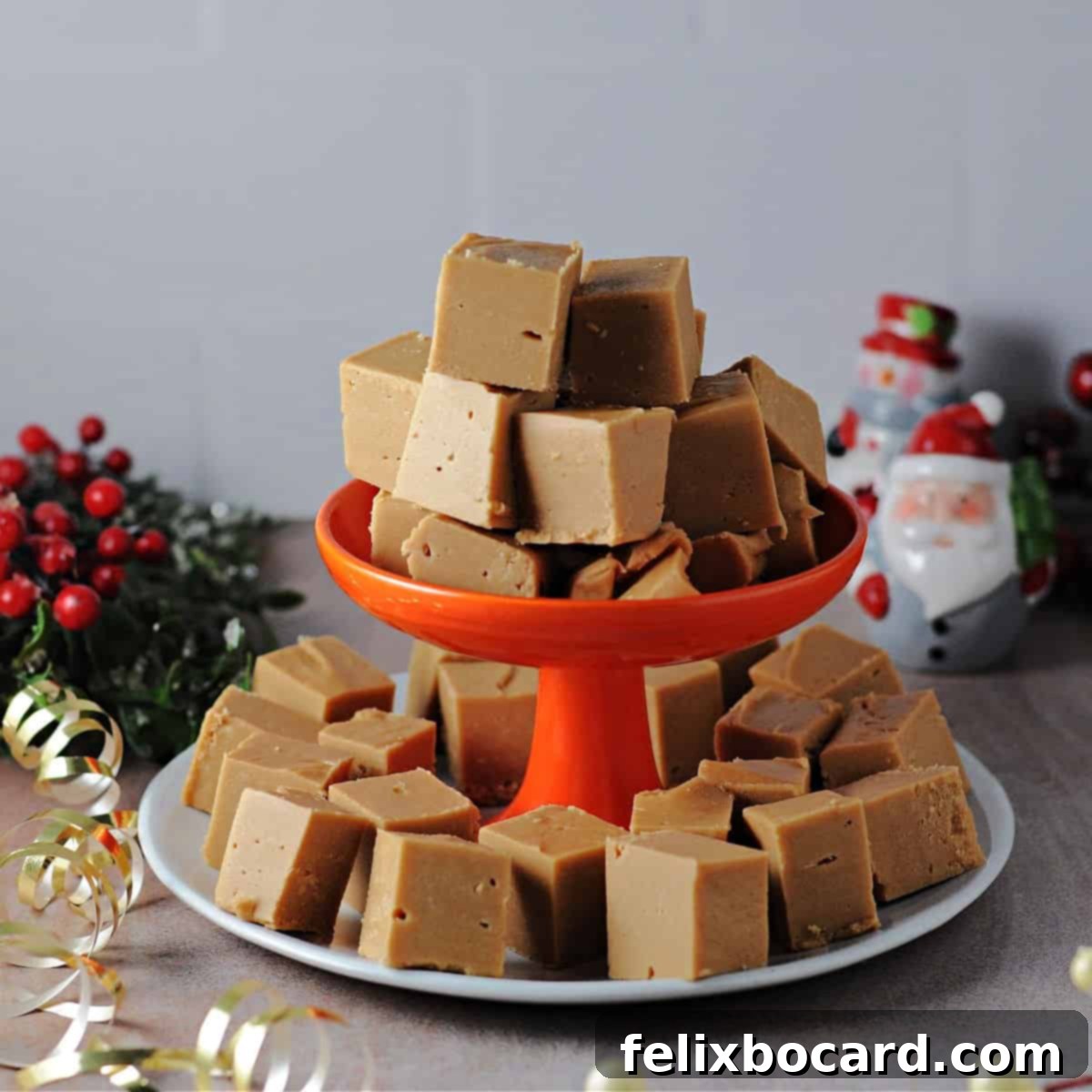
Are you on the hunt for a delightful fudge recipe that steps away from the traditional chocolate? For years, I’ve been searching for that perfect non-chocolate fudge, especially one reminiscent of the creamy, nostalgic taste of maple fudge that my daughter adores. While many “maple fudge” recipes often turn out to be little more than flavored white chocolate, I’ve discovered a truly unique and equally irresistible alternative: Biscoff Fudge. This incredible recipe doesn’t just meet the criteria; it exceeds all expectations, delivering a smooth, rich, and utterly captivating dessert that will become a new favorite in your home.
The secret ingredient? Biscoff spread, affectionately known as cookie butter. If you’ve ever had a Biscoff cookie – often served on commercial flights, earning them the nickname “airplane cookies” from my granddaughter – you know their distinct charm. These crispy, caramelized, spiced biscuits (known as Speculoos in many parts of the world) boast a flavor profile rich with cinnamon, ginger, and a deep caramel sweetness. The genius who transformed these beloved cookies into a smooth, spreadable butter opened up a world of culinary possibilities, and making fudge is undoubtedly one of its finest applications.
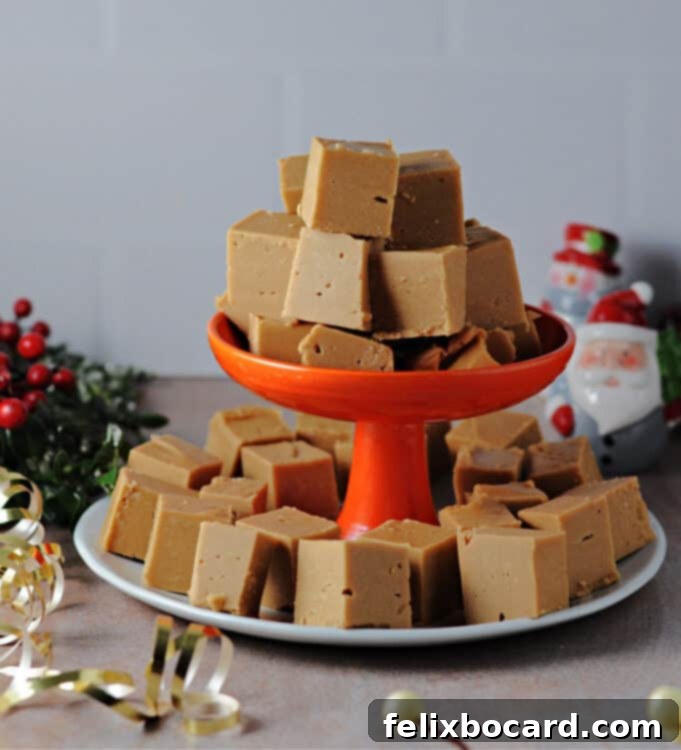
Why This Biscoff Fudge Recipe is a Game-Changer
Let’s talk about the absolute best part: this Biscoff fudge is incredibly EASY. Traditional fudge making can be an intimidating process, often requiring precise temperatures measured with a candy thermometer, constant stirring, and a delicate touch to achieve that perfect consistency. Many home bakers shy away from homemade fudge for these very reasons. However, this cookie butter fudge recipe is designed to be simple and foolproof, making it accessible even for beginners.
You’ll still use your stovetop to combine and heat a few key ingredients, boiling them for just a couple of minutes. But here’s the magic – there’s absolutely no need for a candy thermometer! This significantly reduces the complexity and stress associated with conventional fudge, allowing you to focus on the joy of creating a delicious treat. The result is a smooth, creamy, and undeniably delicious fudge with a flavor that beautifully echoes the warm, comforting notes of maple fudge, but with its own unique twist of spiced caramel. It’s truly a no-fail recipe that delivers every time.
This easy Biscoff fudge isn’t just for special occasions; its simplicity means you can whip up a batch whenever a craving strikes. Its distinctive taste makes it a wonderful addition to any dessert spread, especially during the holiday season. I particularly love making multiple batches of fudge during holidays, pairing this Biscoff fudge with a batch of Nutella fudge. The combination offers a delightful contrast of flavors, and it’s always fun to see which one becomes everyone’s personal favorite. Both are rich, indulgent, and incredibly satisfying, ensuring there’s a fudge for every palate.
Understanding Biscoff: The Star Ingredient
Biscoff, also known as Speculoos cookie butter, is more than just a spread; it’s a culinary experience. Originating from Belgium, these spiced shortbread cookies have gained international fame. Their flavor profile is truly distinct: a warm blend of cinnamon, nutmeg, ginger, and cloves, combined with a deep caramelized sugar taste. This unique spice blend is what gives Biscoff its signature warmth and appeal, making it an ideal base for a non-chocolate fudge that still feels rich and indulgent.
The transformation of Biscoff cookies into a smooth, creamy spread is nothing short of brilliant. It has the consistency of peanut butter but with an entirely different, captivating flavor. When incorporated into fudge, it melts beautifully, infusing every bite with that characteristic caramel and spice, without overpowering the palate. This allows the fudge to develop a complex flavor that is both familiar and exciting. Using Biscoff spread eliminates the need for artificial flavorings or excessive ingredients, relying on the natural goodness of the cookie butter to carry the dessert.
Choosing creamy Biscoff spread is key for this recipe to ensure a velvety smooth texture. While crunchy varieties exist, they might alter the classic smooth fudge consistency. This recipe embraces the elegant simplicity of Biscoff, letting its unique flavor shine through as the primary note, complemented by classic fudge ingredients.
Essential Ingredients for Perfect Biscoff Fudge
One of the beauties of this recipe lies in its incredibly simple ingredient list. You won’t need a pantry full of obscure items, just a few common staples to create this extraordinary treat. Each ingredient plays a crucial role in achieving the perfect flavor and texture, contributing to the fudge’s irresistible charm:
- Butter: Provides the essential richness and smooth texture that is characteristic of good fudge. Using real butter makes a significant difference in flavor.
- Brown Sugar: Adds depth and a wonderful caramel note, enhancing the natural sweetness of the Biscoff spread. It contributes to the fudge’s chewy yet melt-in-your-mouth consistency.
- Milk: Helps to dissolve the sugar and create the base for the fudge. Whole milk is recommended for the creamiest results.
- Biscoff Spread (creamy): The star ingredient, delivering the unique spiced caramel flavor and a smooth, rich consistency.
- Vanilla Extract: A crucial flavor enhancer that rounds out the sweetness and spice, adding a layer of warmth and complexity.
- Powdered Sugar (confectioners’ sugar): This fine sugar is key to achieving the fudge’s final smooth, soft texture without graininess. It quickly dissolves, ensuring a silky finish.
This short list of ingredients ensures that making homemade Biscoff fudge is not only delicious but also convenient, requiring minimal shopping and preparation time.
Crafting Your Homemade Biscoff Fudge: A Step-by-Step Guide
Making this easy cookie butter fudge is a straightforward process, but following these detailed steps will ensure you achieve perfect, creamy results every time:
Preparation is Key
- Prepare Your Pan: Begin by lining an 8×8-inch baking pan with parchment paper. Leave an overhang on the sides; this will create “handles” that make it incredibly easy to lift the set fudge out of the pan for cutting. Set this prepared pan aside.
- Measure Powdered Sugar: Measure out the 3 cups of powdered sugar into a large mixing bowl. Having it ready prevents rushing later, as the next steps require quick action. Set this bowl aside near your stovetop.
Cooking the Base Mixture
- Melt the Butter: In a medium-sized saucepan (a 2.5 to 3-quart pan is ideal, as the mixture will foam up a bit), melt the butter over medium heat. Keep an eye on it to prevent browning.
- Combine and Heat: Once the butter is melted, stir in the brown sugar and milk. Mix well until the sugar begins to dissolve.
- Bring to a Boil: Continue heating the mixture, stirring occasionally, until it reaches a rolling boil.
- Boil for Two Minutes: Once boiling, set a timer for exactly 2 minutes. Stir the mixture frequently during these two minutes to prevent scorching and ensure even cooking. The mixture will thicken slightly and become glossy.
Incorporating Biscoff and Finishing
- Remove from Heat and Add Flavorings: Immediately remove the saucepan from the heat. Stir in the Biscoff spread and vanilla extract. Continue stirring vigorously until the Biscoff spread has completely melted and is fully incorporated into the hot mixture, creating a uniform, creamy consistency.
- Combine with Powdered Sugar: Without delay, pour the hot Biscoff mixture directly over the powdered sugar in the large mixing bowl.
- Mix Until Smooth: Stir initially with a spoon to combine, then switch to a hand mixer. Beat the mixture for a minute or two until it is perfectly smooth and creamy. This step is crucial for achieving the fudge’s characteristic soft, melt-in-your-mouth texture.
- Pour into Prepared Pan: Quickly pour the warm fudge mixture into your parchment-lined 8×8-inch pan. Use an offset spatula or the back of a spoon to spread it evenly into all corners of the pan.
- Chill to Set: Place the pan in the refrigerator. Chill for at least 1 hour, or until the fudge is completely firm and set. The cooling process is essential for the fudge to hold its shape.
- Cut and Serve: Once firm, use the parchment paper overhangs to lift the entire block of fudge out of the pan. Place it on a cutting board and cut it into one-inch squares. Your delicious Biscoff fudge is now ready to be enjoyed!
Biscoff Fudge vs. Maple Fudge: A Flavor Comparison
My quest for the perfect non-chocolate fudge initially led me down the path of maple fudge. While this Biscoff fudge isn’t exactly maple fudge, it shares a remarkably similar, comforting essence. The creamy texture and rich, sweet profile are very much aligned with what one expects from a traditional maple fudge. The magic, however, lies in the unique flavor contribution of the cookie butter spread.
Biscoff spread imparts a delightful hint of cinnamon and a deep, caramelized biscuit flavor in every bite. This blend of spices and sweet caramel mimics the warmth and depth often found in pure maple syrup, creating a fudge that, while distinct, satisfies that same craving for a rich, non-chocolate confection. It’s a fantastic alternative that surprises and delights with its familiar yet exotic taste. The subtle spiciness and deep caramel notes make it incredibly reminiscent of that quintessential maple syrup profile, even though there’s no actual maple in the jar.
Interestingly, many maple fudge recipes I’ve tried often include nuts, such as walnuts, which add a pleasing textural contrast. I’m already planning to incorporate some chopped walnuts into my next batch of Biscoff fudge. I believe their earthy crunch will perfectly complement the smooth, spiced caramel of the cookie butter, elevating an already fantastic treat to new heights. I’ll definitely report back on the results!
Serving Suggestions and Variations
This Biscoff fudge is a star on its own, but its versatility means you can easily customize it to suit your taste or occasion. For an elegant presentation, arrange the cut squares on a platter, perhaps with a sprinkle of sea salt flakes to enhance the caramel notes. A dusting of cinnamon or a drizzle of melted white chocolate can also add visual appeal and a touch of extra flavor. Consider serving it alongside coffee or tea for a sophisticated dessert experience, or as part of a larger dessert board for gatherings.
To vary the recipe, as mentioned, chopped walnuts or pecans would be an excellent addition, providing a satisfying crunch. You could also stir in a handful of mini chocolate chips (dark, milk, or white) during the final mixing stage for a delightful textural and flavor contrast. For an even more intense Biscoff experience, crumble a few extra Biscoff cookies on top of the fudge before it sets. This adds an extra layer of crunch and flavor that Biscoff lovers will adore. This fudge is also excellent when crumbled over ice cream or used as a topping for cheesecakes.
Storage and Shelf Life
Proper storage is essential to keep your Biscoff fudge fresh and delicious. Once the fudge has set and been cut into squares, store it in an airtight container at room temperature for up to one week. If you live in a warm climate or prefer a firmer fudge, you can store it in the refrigerator for up to two weeks. Just be sure to bring it to room temperature for about 15-20 minutes before serving to ensure the best texture.
For longer storage, Biscoff fudge freezes beautifully. Wrap individual squares tightly in plastic wrap, then place them in an airtight freezer-safe container or bag. It can be stored in the freezer for up to three months. Thaw frozen fudge overnight in the refrigerator, then bring it to room temperature before enjoying.
Common Questions About Biscoff Fudge
Can I use crunchy Biscoff spread?
While creamy Biscoff spread is recommended for the smoothest fudge, you can certainly use crunchy Biscoff spread if you prefer a textural element. Just be aware that the fudge will have small cookie pieces throughout, altering the classic smooth consistency.
Can I double the recipe?
Yes, this recipe can easily be doubled. Use a larger saucepan (at least 4-5 quarts) to accommodate the increased volume and ensure it doesn’t boil over. You will also need a larger pan, such as a 9×13-inch pan, for chilling the fudge.
Is Biscoff gluten-free or vegan?
Original Biscoff cookies and spread contain wheat flour, so they are not gluten-free. For a vegan version, you would need to substitute the butter with a plant-based butter alternative and the milk with a non-dairy milk (like almond or oat milk). Always check ingredient labels to ensure suitability for specific dietary needs.
What if my fudge doesn’t set?
Fudge not setting typically means it wasn’t boiled long enough or at a high enough temperature. In this recipe, ensuring a full 2-minute rolling boil is crucial. If your fudge is too soft after chilling, you can try gently reheating it in a saucepan over low heat, stirring constantly, then re-boiling for another minute or so, and then proceeding with the rest of the steps. However, with this particular no-thermometer recipe, not setting is quite rare if the boiling time is respected.
Conclusion: Your New Favorite Easy Fudge
This Biscoff fudge recipe truly stands out as a simple, delicious, and utterly satisfying non-chocolate treat. Its easy preparation and the unique, comforting flavor of cookie butter make it a must-try for any fudge enthusiast or anyone looking for a delightful departure from the ordinary. Whether you’re making it for a holiday gathering, a special occasion, or simply to satisfy a sweet craving, this Biscoff fudge is guaranteed to impress. Its creamy texture and spiced caramel notes are truly addictive, promising to become a cherished addition to your recipe collection. Get ready to fall in love with the magic of cookie butter in every perfect, bite-sized square!
📖 Recipe
Print
Pin it!
Biscoff Fudge
Ingredients
- 1 cup butter
- 2 cups brown sugar
- ½ cup milk
- 1 cup Biscoff spread creamy
- 1 teaspoon vanilla extract
- 3 cups powdered sugar (confectioners)
Instructions
- Measure the powdered sugar into a large mixing bowl and set aside. Line an 8×8-inch pan with parchment paper, leaving an overhang on the sides.3 cups powdered sugar
- In a medium saucepan (2.5-3 quart recommended), melt the butter over medium heat. Stir in the brown sugar and milk. Bring the mixture to a rolling boil and boil for 2 minutes, stirring frequently.1 cup butter, 2 cups brown sugar, ½ cup milk
- Remove the pan from the heat and add the Biscoff spread and vanilla extract. Stir until the spread is completely melted and smoothly incorporated.1 cup Biscoff spread, 1 teaspoon vanilla extract
- Immediately pour the hot mixture over the powdered sugar. Stir well, then use a hand mixer to beat the ingredients until completely smooth and creamy.
- Pour the mixture into the parchment-lined pan and spread evenly. Chill in the refrigerator for at least 1 hour, or until firm. Once set, lift the fudge out using the parchment paper and cut into one-inch squares to serve.
Video
Notes
Nutrition
Nutrition values are estimates only, using online calculators. Please verify using your own data.