Discover the Art of Italian Salad Dressing: A Simple Guide to Flavorful Greens
For many, the concept of salad dressing often conjures images of creamy concoctions or bottled vinaigrettes, ready to be poured over a bed of greens. However, the traditional Italian approach to dressing a salad is refreshingly different, emphasizing simplicity, quality ingredients, and an active method that transforms the humble salad into a culinary delight. This isn’t just about adding a topping; it’s about a fundamental interaction between your greens and a few essential elements.
The core philosophy is elegantly straightforward: stop viewing dressing as a separate entity, a mere sauce to be slathered on. Instead, consider “dressing” as a verb – the deliberate act of treating your salad greens with oil, salt, and vinegar to enhance their natural flavor before a single bite is taken. This method highlights the intrinsic taste of each component, creating a harmonious and balanced experience.
At its heart, this technique relies on just three fundamental ingredients: premium extra virgin olive oil, a touch of sea salt, and a splash of vinegar. While these three form the holy trinity of Italian salad dressing, the order of their application can spark a lively debate even among seasoned home cooks. Some advocate for oil first, believing it coats the leaves and protects them from the acidity of vinegar, while others prefer to start with vinegar to “awaken” the greens. Ultimately, the best order is one you discover through personal preference, but the core principle remains: these ingredients are applied directly to the greens, tossed with care, and tasted along the way.
The Essential Ingredients for a Classic Oil and Vinegar Dressing
Crafting the perfect Italian-style salad dressing doesn’t require an extensive pantry. In fact, its beauty lies in its minimalist ingredient list. You need only three core components, but their quality profoundly impacts the final flavor of your salad. Investing in good quality ingredients is the secret to unlocking the true potential of this simple dressing.
Selecting Your Oil: The Foundation of Flavor
The star of this simple dressing is undoubtedly the oil. I highly recommend using a decent quality extra virgin olive oil (EVOO). EVOO, with its rich, fruity, and sometimes peppery notes, provides a depth of flavor that cannot be replicated by other oils. Look for cold-pressed varieties from a reputable source, ideally stored in a dark bottle, to ensure maximum freshness and nutritional integrity. The quality of your EVOO will be the single most defining factor in the taste profile of your dressed greens. While other oils like avocado or grapeseed can be used for a neutral base, they won’t impart the characteristic Mediterranean essence that makes this dressing so special.
The Importance of Salt: Enhancing Every Bite
Salt isn’t just about making things taste “salty”; it’s about drawing out and enhancing the natural flavors of your greens. For this dressing, I prefer using sea salt from a grinder. The coarser texture of freshly ground sea salt provides a pleasant crunch and distributes more evenly across the leaves compared to fine table salt. It also allows for a more controlled application, preventing over-salting. Experiment with different types of sea salt, such as flaky Maldon or delicate Fleur de Sel, to discover subtle differences in taste and texture. Remember, salt is crucial for balancing the oil and vinegar, acting as a natural flavor enhancer.
Choosing Your Vinegar: The Tangy Counterpart
Red wine vinegar is my go-to choice for its classic, robust, and slightly sweet acidity that perfectly complements the olive oil. Its versatility makes it a staple in any kitchen aiming for authentic Italian flavors. However, this is also where you can truly personalize your salad. Don’t hesitate to experiment with other vinegars to match your meal or mood. Balsamic vinegar offers a sweeter, more complex tang, ideal for richer salads. White wine vinegar is lighter and crisper, while champagne vinegar provides a delicate, elegant acidity. For a unique twist, consider fruit-flavored vinegars like raspberry or fig, which can add an unexpected dimension. I’ve explored many options, but I consistently find myself returning to the reliable and satisfying profile of red wine vinegar.
Preparing Your Greens and Tools for Optimal Dressing
Beyond the dressing ingredients themselves, the preparation of your greens and the right tools play a significant role in achieving a perfectly dressed salad. The goal is to ensure every leaf is lightly coated, not drowned, and maintains its crisp texture.
The Ideal Greens: Crispness is Key
While most any lettuce will work beautifully with this simple dressing, I particularly favor romaine lettuce. Its sturdy leaves and natural crunch hold up exceptionally well, even after being thoroughly dressed. This prevents the dreaded “soggy salad” syndrome that often plagues pre-dressed greens. Other excellent choices include butter lettuce for its tender texture, mixed spring greens for variety, or even sturdier options like thinly sliced kale or cabbage. The key is to ensure your greens are fresh, well-washed, and thoroughly dried. A salad spinner is an invaluable tool for removing excess moisture, which helps the dressing adhere better.
Essential Equipment: Bowls and Tossing Tools
The act of “dressing” necessitates proper tossing, and for this, a wide, spacious bowl is indispensable. A shallow, broad bowl allows ample room for the greens to be moved around freely without spilling, ensuring an even distribution of oil, salt, and vinegar. Attempting to dress a salad in a small or deep bowl often results in uneven coating and frustration. For tossing, a good pair of salad tongs or a large serving spoon and fork set will give you the best control. These tools allow you to gently lift and turn the greens, ensuring every leaf is kissed by the dressing. Avoid crushing the leaves; the goal is a light, airy coat.
The Italian Dressing Method: Step-by-Step
Embracing the Italian method means an interactive and sensory experience, where each ingredient is added and thoroughly incorporated before the next. This ensures maximum flavor penetration and perfect balance.
Step 1: The Golden Drizzle of Oil
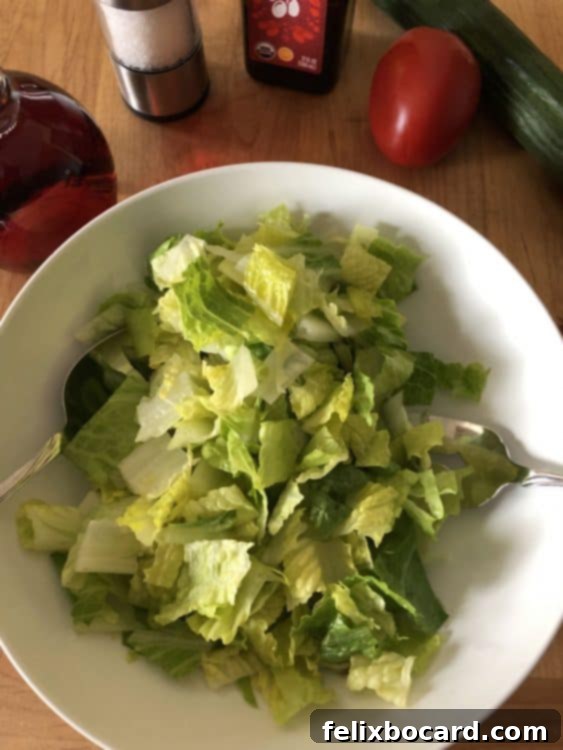
- Begin by placing your clean, dry salad greens in your wide tossing bowl. Generously drizzle the greens with your chosen extra virgin olive oil. The amount can vary based on the volume of greens, but aim for a coating that makes the leaves glisten without being greasy. Now, toss the greens vigorously but gently, using your tongs or spoon and fork, until every leaf is visibly coated with oil. The oil acts as a base, clinging to the leaves and preparing them for the subsequent flavors. This initial coat is vital for flavor distribution and preventing the vinegar from overwhelming delicate greens.
Step 2: The Perfect Pinch of Salt
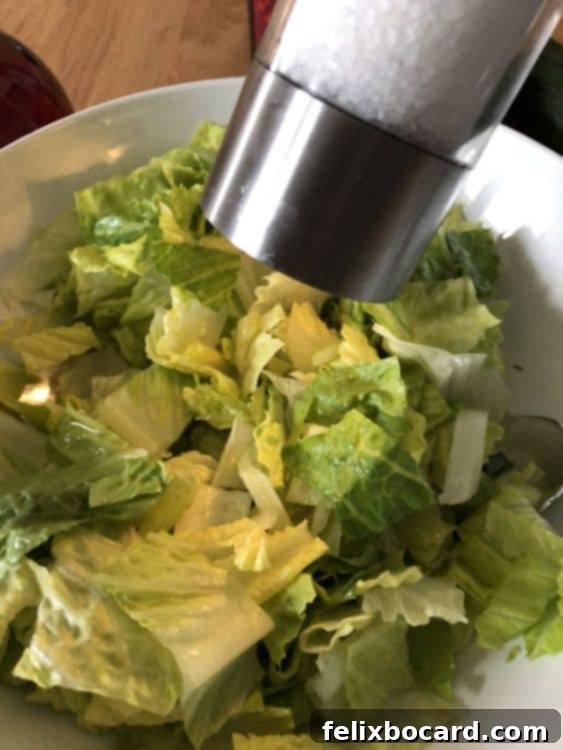
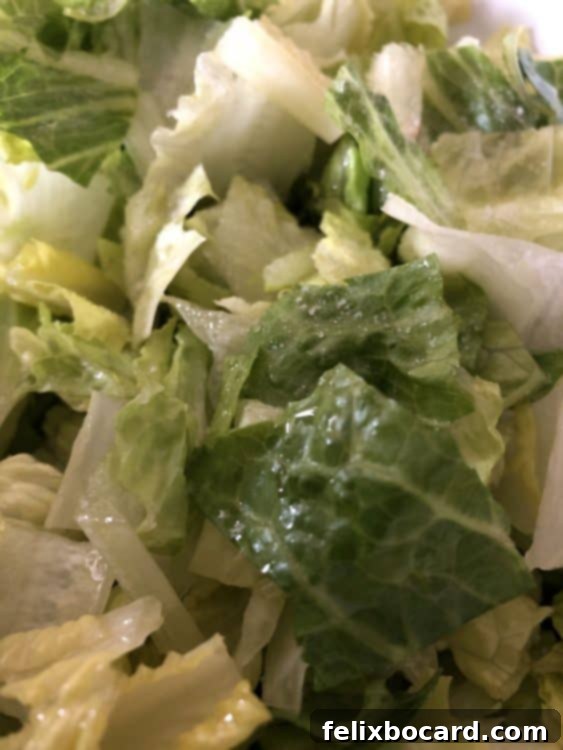
- Next, add your sea salt. Sprinkle it evenly over the oil-coated greens. The “quantity” of salt is a matter of personal taste, but a good visual cue is to see the fine granules lightly distributed across the leaves. Don’t be shy, but don’t overdo it. Once the salt is added, toss the salad again with the same enthusiasm, ensuring the salt crystals adhere to the oily greens and begin to dissolve, permeating the flavor throughout. The oil acts as an excellent carrier for the salt, allowing it to season the greens more effectively.
Step 3: Visualizing the Salt Distribution
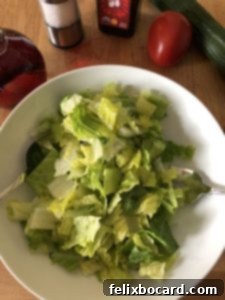
- To gauge the salt, observe the greens closely after tossing. You should be able to visibly see a light dusting of salt granules on the lettuce. This indicates that the salt has been evenly distributed and is ready to work its magic.
Step 4: The Finishing Splash of Vinegar
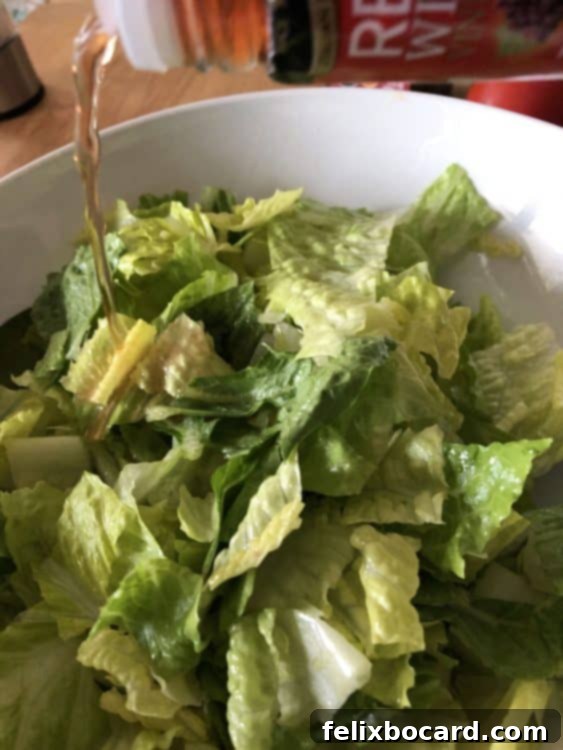
- Finally, sprinkle or splash your chosen vinegar – red wine vinegar, in my case – over the greens. Be mindful with the vinegar; a little goes a long way. After adding the vinegar, give the salad a final, thorough toss. This last toss ensures the acidity of the vinegar brightens the flavors of both the oil and the salt, creating a perfectly balanced and vibrant salad. The Italian proverb, “A ben condire l’insalata, ci vuole un avaro per l’aceto, un giusto per il sale e uno strambo per l’olio,” beautifully summarizes this: be sparing with vinegar, balanced with salt, and generous with oil.
Elevating Your Salad: Adding Other Veggies and Flavor Boosters
The beauty of the Italian dressing method is that it shines brightest with simple greens. However, once your base greens are perfectly “dressed,” you have a pristine canvas ready for additional textures and flavors. The key is to add these extra components after the initial dressing process to maintain their integrity and ensure they don’t interfere with the delicate coating of the greens.
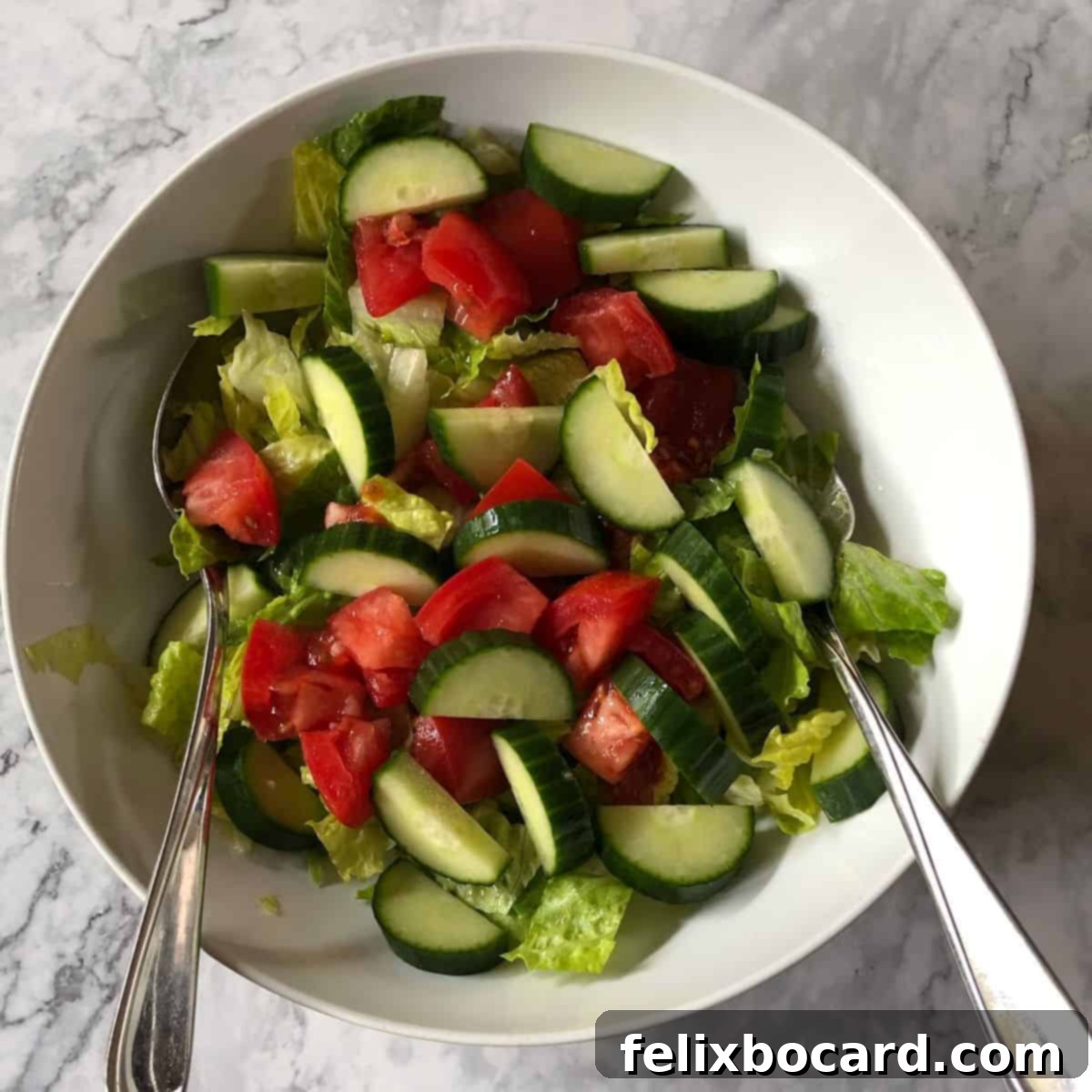
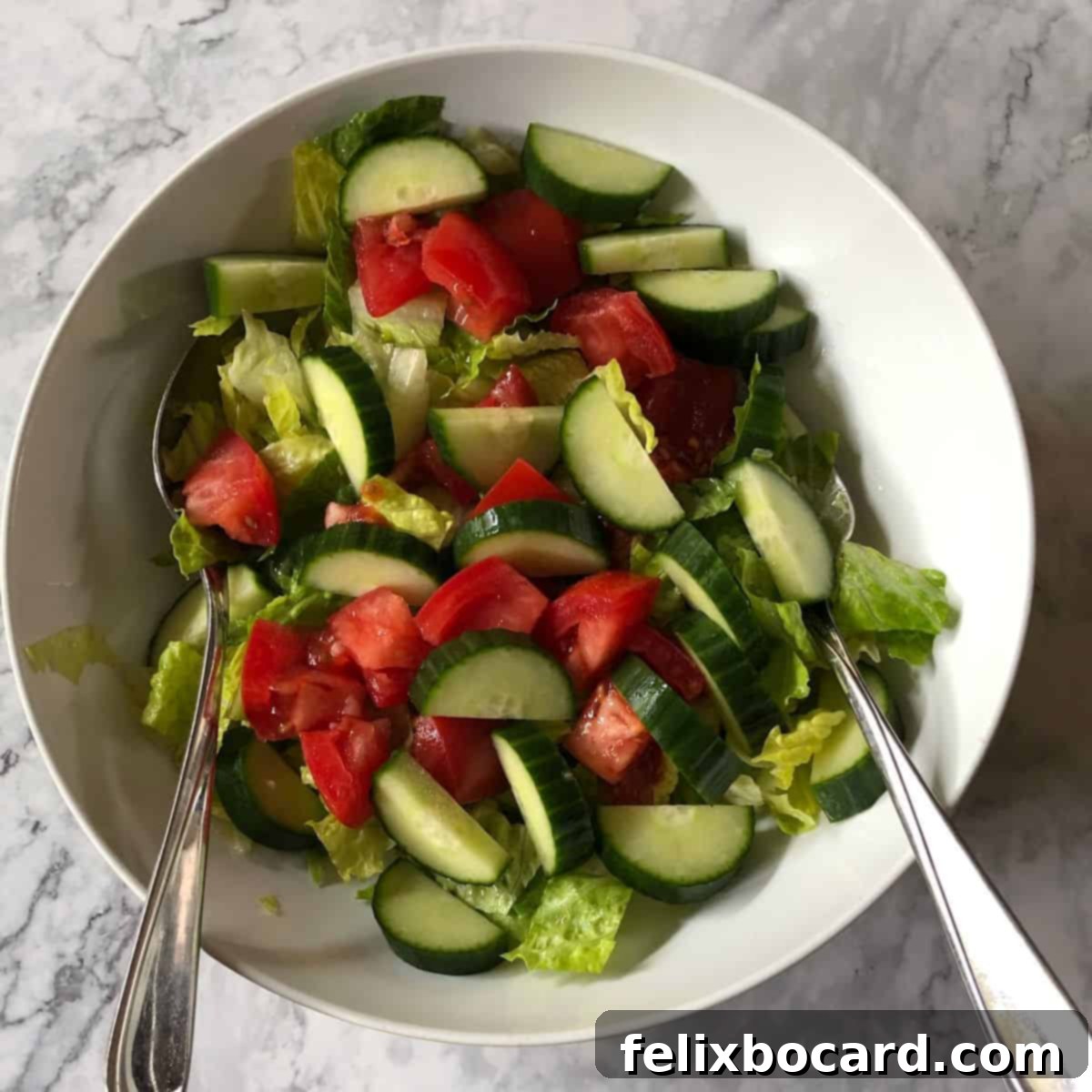
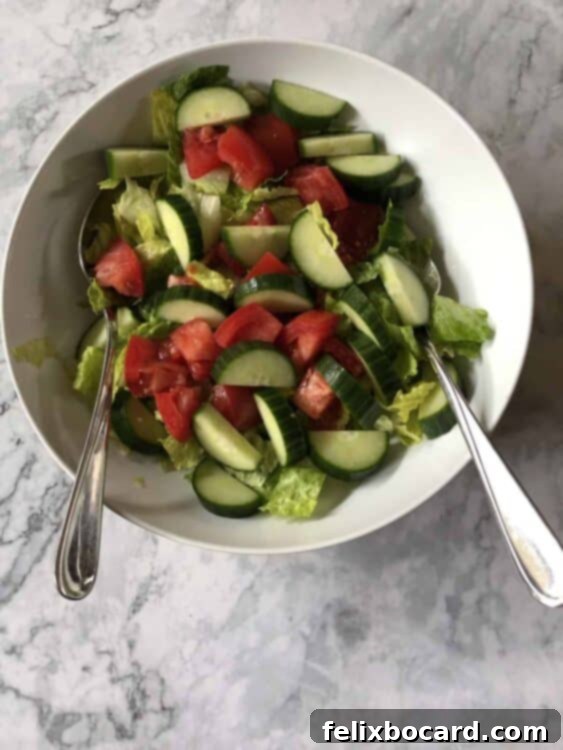
My philosophy is to keep these additions minimal and fresh. I typically introduce a few vibrant vegetables after the vinegar has been incorporated. Slices of crisp cucumber and halved cherry tomatoes are classic choices, offering a refreshing counterpoint to the dressed greens. A light sprinkle of freshly shredded Parmesan cheese adds a nutty, savory depth that beautifully complements the simple oil and vinegar. After these additions, a gentle final toss is all that’s needed to combine everything without bruising.
From this simple foundation, you can truly customize your salad to your preferences. A generous grinding of fresh black pepper adds a delightful pop of flavor and a subtle warmth. Think about the classic “house salads” served at your favorite steakhouse and use them as inspiration. Thinly sliced red onion can provide a sharp, invigorating bite. A few briny olives or even a couple of mild banana pepper rings can introduce an exciting contrast. The beauty of this simple oil and vinegar dressing is its ability to highlight, rather than mask, the distinct flavors of any fresh ingredients you choose to include.
For those looking to explore even more vibrant additions, consider growing broccoli sprouts at home to add a nutritious, peppery crunch to your next salad creation!
Oil and Vinegar Dressing Variations and Pairing Suggestions
While the classic red wine vinegar, olive oil, and sea salt combination is a staple, this minimalist dressing offers wonderful versatility. It’s incredibly easy to adapt to different meals and taste preferences with just a few simple swaps.
Exploring Acidic Alternatives
When pairing my salad with delicate seafood, such as salmon or white fish, I often substitute fresh lemon juice for the vinegar. The bright, zesty notes of lemon complement fish beautifully, adding a refreshing tang without the heavier profile of some vinegars. Beyond lemon, feel free to experiment with other vinegars to discover your favorites. White wine vinegar offers a lighter, fruitier acidity than red wine vinegar, while balsamic vinegar, especially a high-quality aged variety, provides a rich, sweet-tart complexity. For a truly elegant touch, champagne vinegar is known for its subtle and delicate flavor. Each substitution opens up a new dimension for your simple salad.
The wisdom of Italian culinary traditions often encapsulates complex ideas in succinct phrases. The Italians have a delightful saying that perfectly summarizes the art of dressing a salad: “A ben condire l’insalata, ci vuole un avaro per l’aceto, un giusto per il sale e uno strambo per l’olio.”
Loosely translated, this charming proverb means: “To properly dress a salad, you need a miser to add the vinegar, a judge to add the salt, and a spendthrift to add the oil.” This age-old adage offers invaluable guidance: be very sparing with the vinegar, judicious and precise with the salt, and generous, even lavish, with the olive oil. This wisdom ensures a salad that is rich and satisfying, yet balanced in its acidity and seasoning. Ultimately, let your taste buds be your guide; they will tell you the perfect proportions for your palate.
Give this simple yet profound approach a try. You’ll quickly get the hang of it, discovering a newfound appreciation for the nuanced flavors of fresh greens. This method truly elevates the everyday salad from a mere side dish to a vibrant, flavorful experience.
It’s worth noting that while I find immense satisfaction in this straightforward dressing technique, individual preferences vary. For instance, some (ahem, like the gentleman of the house) occasionally prefer a more robust flavor profile from their salad dressing. In such cases, this Italian-dressed base serves as an excellent foundation upon which you can add an additional layer of a richer dressing of choice. This creates a fascinating interplay of flavors, offering both the clean freshness of the oil and vinegar and the added complexity of another dressing. It’s a versatile approach that caters to all palates.
Deliziosa!
What to Pair with Your Oil and Vinegar Dressed Salad
This effortlessly prepared oil and vinegar dressed salad is incredibly versatile and makes an ideal accompaniment to a wide range of dishes. Its light, fresh profile provides a perfect balance, enhancing rather than overpowering your main course. The speed at which you can toss this salad together makes it an excellent choice for a quick weeknight meal. Imagine preparing this vibrant side while you reheat lasagna, creating a balanced and satisfying meal in minutes.
Oil and Vinegar Salad Dressing Recipe FAQs
The traditional guideline for a classic vinaigrette is often cited as a 3 parts oil to 1 part vinegar ratio. This provides a balance that’s generally pleasing to most palates, offering richness from the oil tempered by the acidity of the vinegar. However, when it comes to the Italian “dressing” method, where ingredients are added in stages and tossed, this ratio becomes more of a flexible starting point. Ultimately, the “proper” ratio is entirely dependent on your personal preference. If you prefer a tangier salad, feel free to increase the vinegar. For a milder, richer salad, lean more heavily on the olive oil. Don’t be afraid to taste and adjust as you go; that’s part of the beauty of this hands-on approach.
I strongly advise against storing a salad that has already been dressed with oil and vinegar. The acid from the vinegar, combined with the oil, will quickly break down the delicate cell structure of the lettuce leaves, causing them to wilt and become soggy. This can happen surprisingly fast, and a limp, soggy salad is far from appetizing! The crispness is a key component of a truly enjoyable salad.
If you need to prepare elements of your salad in advance, here’s a highly effective strategy: First, wash and thoroughly dry your lettuce. A salad spinner is your best friend here, as removing excess moisture is crucial for maintaining crispness. Place the prepared greens in your salad bowl and refrigerate them. The chill time will further enhance their crisp texture. In a separate container, prepare any additional vegetables like sliced cucumbers or halved cherry tomatoes, and store them in the fridge as well. Just before your meal is ready to be served, take out your bowl of chilled greens, and follow the simple dressing steps: a quick toss with oil, then salt, then vinegar. Finally, add your prepped veggies on top and serve immediately. This method ensures every element of your salad is fresh, crisp, and perfectly flavored.
Do You Enjoy Making Your Own Salad Dressings? Here Are a Few More to Check Out:
If you’ve enjoyed the simplicity and fresh flavors of this homemade oil and vinegar dressing, you might be inspired to explore other delicious homemade options. Crafting your own dressings allows for incredible customization and ensures you’re always enjoying the freshest ingredients. Here are some more recipes to inspire your culinary adventures:
- Balsamic Vinaigrette
- Raspberry Vinaigrette
- Meyer Lemon Vinaigrette
- Shallot Vinaigrette
- Meyer Lemon Vinaigrette
- Honey Lime Dressing
📖 Simple Oil and Vinegar Salad Dressing Recipe

Oil and Vinegar Salad Dressing Recipe
The simple Italian approach to dressing your salad greens with oil and vinegar! Easy and so healthy!
Prep Time: 5 mins
Cook Time: 5 mins
Total Time: 10 mins
Course: Salad
Cuisine: Italian
Servings: 2
Author: Sula
Cost: Cheaper than bottled dressing!
Equipment
- Big bowl
- Spoons or forks for mixing
Ingredients
- 4 cups mixed salad greens
- 1-2 TB extra virgin olive oil (or to taste)
- 1 teaspoon salt (to taste)
- 1 teaspoon red wine vinegar (to taste)
Instructions
Place washed salad greens in a bowl. Add oil and toss gently to coat.

Sprinkle with salt and toss again.
Sprinkle lightly with vinegar and toss again. Sample and add vinegar and/or salt as preferred.


Video
Once you’ve mastered this fundamental technique, expand your horizons and try it on massaged kale for a heartier and equally delicious green dish!
A simple, elegantly dressed salad like this serves as a fantastic complement to a wide array of main courses. It’s particularly exquisite alongside delicate seafood dishes, such as Baked Pineapple Salmon or Salmon with Whole Lemon Dressing, where its freshness can truly shine.
I also find this salad invaluable for balancing out richer, more substantial main dishes. It provides a refreshing counterpoint to meals like Hasselback Chicken, cutting through the richness with its crisp, tangy notes. Furthermore, it pairs wonderfully with comforting pasta bakes, such as Butternut Squash Spaghetti Bake, adding a necessary lightness to the meal. This versatile salad is truly a culinary essential.