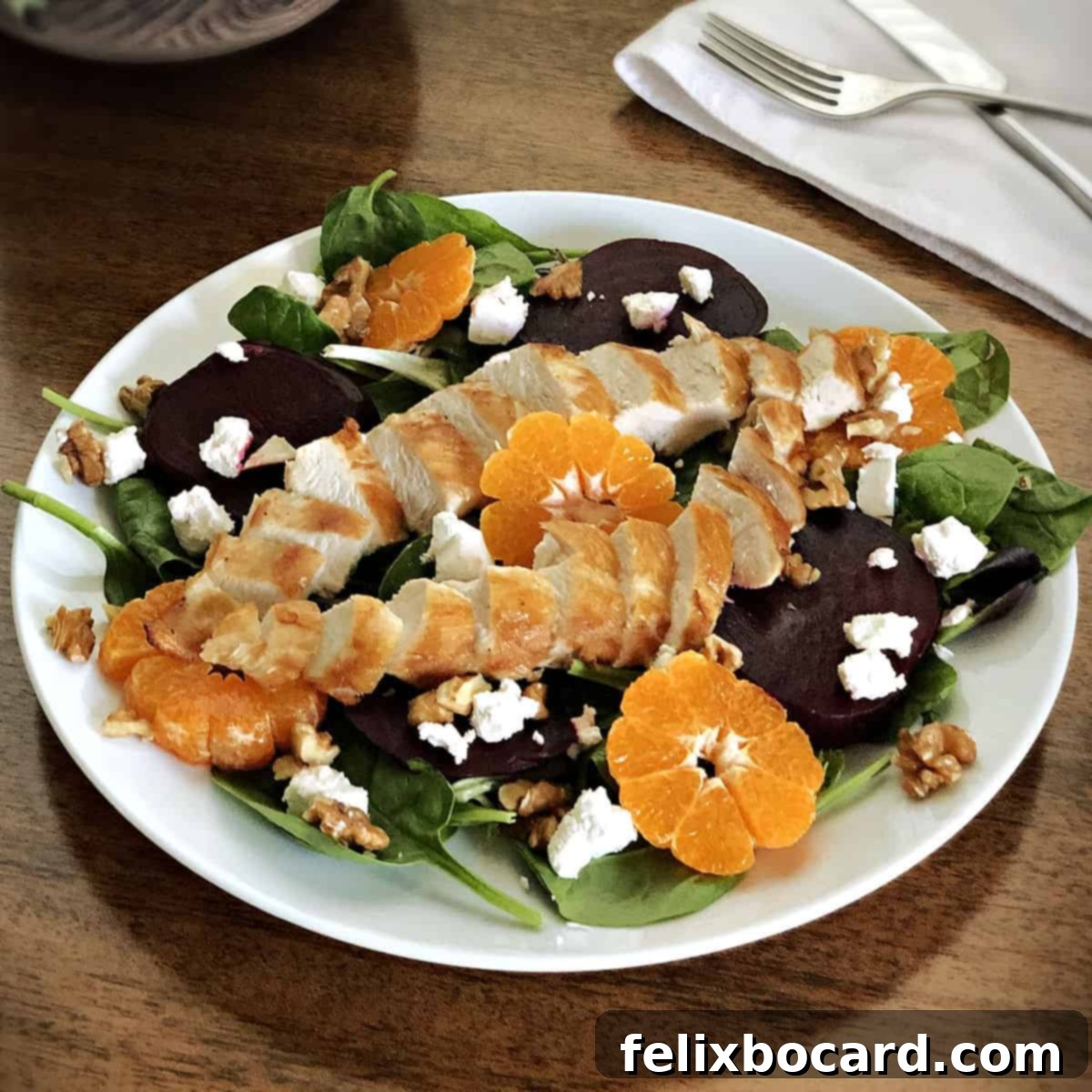
There’s something uniquely satisfying about a vibrant, fresh salad, and when beets are involved, it’s an absolute game-changer. For me, the love affair with beets began early, growing up on a farm where fresh vegetables were a daily delight. Straight from the garden, boiled and slathered in butter – pure simple goodness. But then, a revelation: the beet salad. It transformed a humble root vegetable into a culinary star, offering a delightful blend of earthy flavors, vibrant colors, and satisfying textures. This isn’t just a side dish; it’s an experience, a celebration of garden-fresh goodness that can stand alone as a meal or beautifully complement any main course.
Beet vs. Beetroot: What’s in a Name?
Often, the terms “beet” and “beetroot” are used interchangeably, but there’s a subtle distinction. In North America (the US and Canada), we commonly refer to this delicious vegetable simply as a “beet.” However, in many other parts of the world, it’s more accurately called a “beetroot.” This latter term is perhaps more descriptive, as the part we predominantly consume is indeed the taproot of the beet plant. Regardless of what you call it, this deep-colored root vegetable is packed with flavor and nutrition, making it a fantastic addition to any diet.
It’s also worth noting that beet salads should not be confused with beet greens. While the leafy tops of the beet plant are also edible and incredibly nutritious, they are typically prepared differently and feature in distinct recipes. Our focus here is on the delicious, versatile taproot.
Unlocking the Health Benefits of Beets
Beyond their distinctive flavor and stunning color, beets are a nutritional powerhouse. They are low in calories and fat, yet rich in essential vitamins and minerals, including folate, manganese, potassium, iron, and vitamin C. Beets are particularly known for their high content of nitrates, which the body converts into nitric oxide. This compound helps relax and dilate blood vessels, potentially leading to lower blood pressure and improved athletic performance. They’re also loaded with fiber, promoting digestive health and helping to maintain a healthy weight. Furthermore, the vibrant red color of beets comes from betalains, powerful antioxidants and anti-inflammatory agents that may offer protection against chronic diseases. Incorporating beets into your diet, especially in a fresh salad, is a fantastic way to boost your overall health and well-being.
Crafting the Perfect Beet Salad: Essential Ingredients
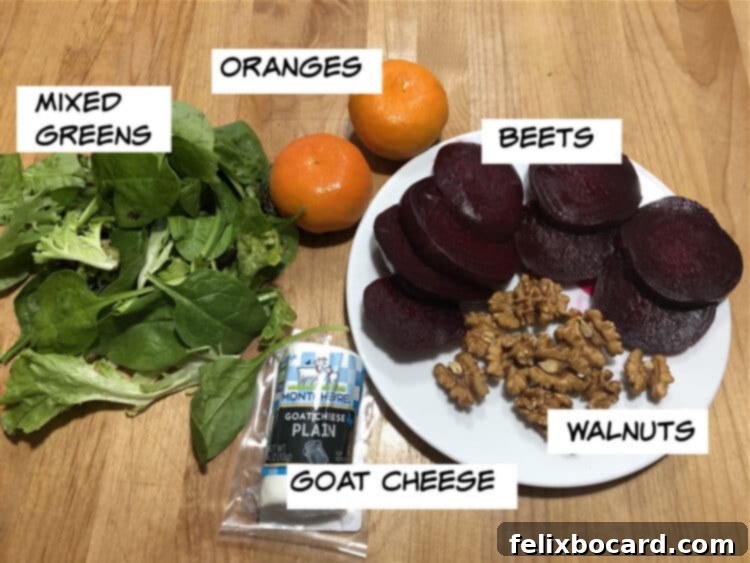
One of the many joys of beet salad is its incredible versatility. It can be easily adapted to suit your preferences, whether you’re aiming for a light side dish or a hearty, meal-sized salad. Over time, I’ve experimented with numerous combinations, and a few core ingredients consistently deliver a harmonious and delightful experience:
- Fresh Beets: The star of the show. Their earthy sweetness forms the foundation of the salad.
- Mandarin Oranges: These tiny citrus gems offer a delightful burst of sweet, tangy juice that beautifully complements the earthy beets. Their bright flavor and soft texture provide a wonderful contrast.
- Walnuts: For that essential crunch and a dose of healthy fats. Walnuts add a rich, nutty flavor that elevates the salad’s profile.
- Goat Cheese: While other cheeses work well, goat cheese is my absolute favorite for its creamy texture and mild, tangy flavor that pairs exquisitely with beets.
- Mixed Greens: A fresh bed of mixed greens provides a crisp, refreshing base.
- Balsamic Vinaigrette Dressing: A classic choice, its sweet and tart notes perfectly tie all the flavors together.
The Art of Cheese Selection for Beet Salad
Choosing the right cheese can truly transform your beet salad, and there’s a wonderful variety to explore. While I personally lean towards the nuanced elegance of goat cheese, its creamy consistency and delicate tang make it an unparalleled partner for the earthy sweetness of beets. Its mild profile allows the other flavors to shine without being overwhelmed.
However, taste is subjective, and many other cheeses offer fantastic pairings:
- Feta Cheese: If you prefer a sharper, saltier kick, crumbled feta is an excellent choice. Its briny notes provide a wonderful counterpoint to the sweetness of the beets and oranges.
- Blue Cheese (Gorgonzola, Roquefort): For those who love a bold, pungent flavor, blue cheese varieties like gorgonzola or Roquefort create a truly sophisticated salad. The strong, tangy, and sometimes spicy notes of blue cheese offer an exciting contrast that adventurous palates will appreciate.
- Ricotta Salata: A lesser-known but equally delightful option, ricotta salata is a firm, salty Italian cheese. It crumbles beautifully and offers a milky, slightly salty flavor that is less assertive than feta but still provides a lovely texture and taste contrast.
- Halloumi Cheese: For a unique twist, consider grilling or pan-frying slices of halloumi. Its squeaky texture and salty flavor hold up well to heat, adding a warm, savory element to your salad.
Don’t hesitate to experiment with different cheeses until you discover your personal favorite. Each cheese brings its own character, allowing for endless variations of this delightful salad.
Elevate Your Salad: Adding Protein to Beet Salad
While a beet salad is delicious on its own, adding a source of protein can easily transform it into a more substantial and satisfying meal. The beauty is in the flexibility, catering to various dietary preferences.
Vegetarian Protein Boosters:
- Edamame: My personal favorite for a vegetarian protein kick. Shelled edamame (steamed or lightly sautéed) adds a lovely green color, a slightly sweet flavor, and a good dose of plant-based protein.
- Chickpeas (Garbanzo Beans): Roasted or simply rinsed and drained, chickpeas offer a hearty texture and nutty flavor, making them a fantastic, fiber-rich addition.
- Lentils: Cooked green or brown lentils provide a wholesome, earthy component that blends well with the other ingredients.
- Hard-boiled Eggs: Sliced or chopped hard-boiled eggs are a quick and easy way to add protein and creaminess.
- Quinoa: Cooked quinoa can be mixed in for a complete protein and a delightful texture.
Non-Vegetarian Protein Options:
For those who prefer animal protein, several choices complement beet salad beautifully:
- Grilled Chicken Breast: Sliced grilled chicken breast is a classic choice. Its lean texture and mild flavor make it a versatile addition that soaks up the vinaigrette wonderfully. Marinate it simply with herbs and olive oil for best results.
- Pan-Seared Salmon: Flaky, omega-3 rich salmon pairs wonderfully with the vibrant flavors of the salad. A simple seasoning of salt, pepper, and lemon is all you need.
- Steak: Thinly sliced grilled or pan-seared steak (such as flank or sirloin) adds a rich, savory dimension, turning the salad into an incredibly gourmet meal.
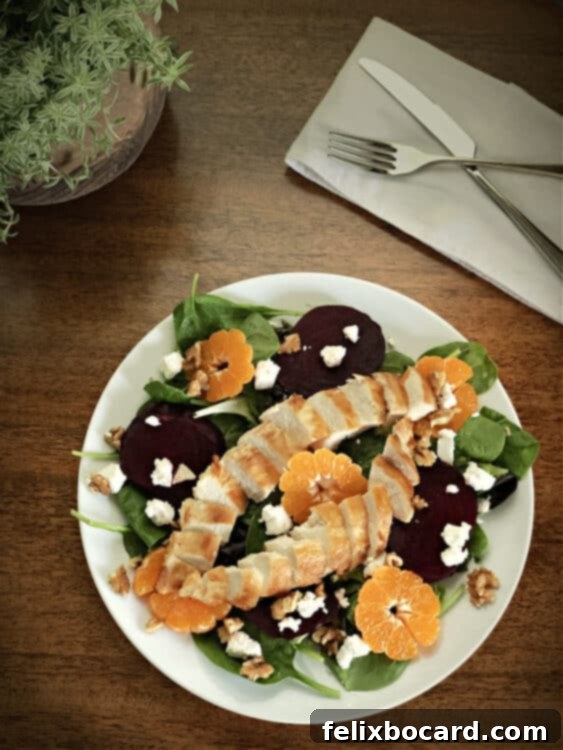
Whether you keep it vegetarian with edamame or chickpeas, or opt for grilled chicken or salmon, adding protein makes this salad a truly multi-dimensional and satisfying meal.
Preparing Beets: To Peel or Not to Peel?
The question of whether to peel beets before or after cooking often arises, and both methods have their merits. Your choice will largely depend on your preferred cooking approach and how much you mind a little mess.
Peeling Beets Before Cooking:
If you plan to cut your beets into smaller pieces (cubes, wedges, or slices) before cooking, peeling them first is the way to go.
- Advantage: Smaller pieces cook significantly faster, which can save time.
- Disadvantage: Peeling raw beets can be a bit messy. The vibrant beet juice is a powerful dye and will likely stain your hands and cutting board. Wearing gloves is highly recommended if you choose this method.
Peeling Beets After Cooking:
Many cooks, myself included, find it much easier to peel beets after they’ve been cooked.
- Preparation: Thoroughly scrub the beets under running water to remove any dirt. Leave the skin on and the root end intact to minimize color bleeding during cooking.
- Cooking: Cook the whole beets using your preferred method (roasting, boiling, steaming, microwaving).
- Peeling: Once cooked, allow the beets to cool slightly until they are comfortable to handle. The skin on a cooked beet will usually slip right off with just a gentle rub of your fingers or a paper towel. This method is incredibly easy and keeps your hands much cleaner. Simply trim off the root and stem ends after peeling.
For most beet salad preparations, cooking the beets whole and peeling them afterward is the most convenient and least messy option. Plus, leaving the skin on during cooking can help retain more of the beet’s natural sweetness and nutrients.
Mastering Beet Cooking Methods for Your Salad
The way you cook your beets can subtly influence their flavor and texture in your salad. Fortunately, beets are quite forgiving and can be prepared using several methods, each offering a slightly different outcome. Choose the one that best fits your schedule and desired flavor profile.
1. Grilling for Smoky Sweetness:
If you love a caramelized edge and a distinct smoky flavor, grilling beets is an excellent choice.
- Direct Grilling: Peel and cut beets into thick slices or wedges, toss with olive oil, salt, and pepper, then grill directly over medium heat until tender and slightly charred. This method produces a wonderful depth of flavor.
- Foil Packet Grilling: For a less direct smoky flavor but still the convenience of the grill, wrap whole (or sliced) cleaned beets in foil packets with a drizzle of olive oil and seasonings. Place them on the grill for 45-60 minutes, or until tender. This keeps them moist and prevents excessive charring.
2. Oven Roasting for Deep Earthy Flavors:
Oven roasting brings out the natural sweetness of beets and gives them a slightly firmer, more concentrated flavor.
- Method: Clean each beet, trim off the greens (leaving about an inch of stem) and the root end. Drizzle with a little olive oil, salt, and pepper, then wrap individually in foil or place them in a foil-lined baking dish covered with foil.
- Temperature & Time: Roast in a 400°F (200°C) oven for 1 to 1.5 hours, depending on the size of the beets, or until easily pierced with a fork. This method encourages caramelization, resulting in a deeper, richer flavor.
- Tip: While delicious, oven roasting can heat up your kitchen, making it less ideal for hot summer days.
3. Quick & Easy Microwave Method:
For ultimate convenience and speed, the microwave is a fantastic option, especially when you’re short on time.
- Method: Clean each beet (trimming as for oven roasting). Place them in a microwave-safe dish with about 1/4 cup of water. Cover the dish tightly with a lid or microwave-safe plastic wrap.
- Cooking Time: Microwave on high for 5 minutes. Carefully remove the dish, turn the beets, and check for tenderness. A medium-sized beet will usually need another 3-5 minutes. Adjust cooking time based on beet size and your microwave’s power.
- Result: This method yields tender beets quickly, perfect for spontaneous salad cravings.
4. Boiling or Steaming for Simplicity:
These traditional methods are straightforward and effective.
- Boiling: Place cleaned, whole beets (with skin) in a pot of salted water. Bring to a boil, then reduce heat and simmer for 30-60 minutes, or until tender. Drain and cool.
- Steaming: Place cleaned, whole beets in a steamer basket over boiling water. Cover and steam for 30-50 minutes, or until tender.
- Pros & Cons: Boiling and steaming are less messy than raw peeling and don’t require much attention, but they might result in a slightly less concentrated flavor compared to roasting or grilling.
5. Instant Pot for Speed and Efficiency:
For modern kitchens, an Instant Pot can cook beets incredibly fast.
- Method: Place 1 cup of water in the Instant Pot. Place a trivet inside and arrange cleaned, whole beets on top.
- Cooking Time: Cook on high pressure for 10-20 minutes (depending on size), followed by a natural pressure release for 10 minutes, then quick release any remaining pressure.
- Benefit: Super fast, hands-off cooking for perfectly tender beets.
No matter your chosen method, the goal is tender, flavorful beets that are ready to be transformed into your delicious salad.
How to Assemble Your Goat Cheese Beet Salad
Once your beets are perfectly cooked and cooled, assembling this vibrant salad is incredibly simple and quick.
- Prepare the Beets: Cook and peel your beets using your preferred method, then cut them into bite-sized pieces (cubes, wedges, or slices).
- Prepare Citrus: Peel and segment the mandarin oranges. If using canned, drain them well.
- Crumble Cheese: Crumble the goat cheese into small pieces.
- Chop Walnuts: Lightly chop the walnuts for a pleasant crunch.
- Wash Greens: Wash your mixed greens thoroughly and pat them dry with a clean towel or use a salad spinner.
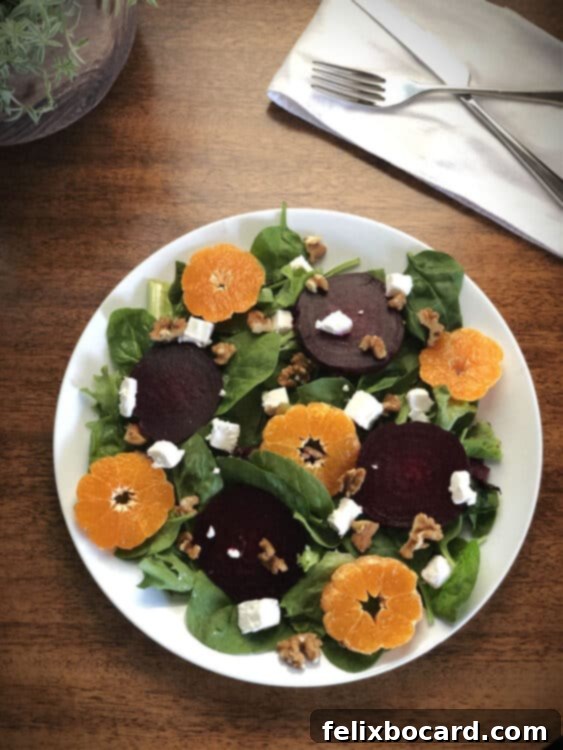
Divide the fresh ingredients into individual servings – typically two portions for a generous meal-sized salad or 4-6 smaller portions for side salads. Arrange the mixed greens as a base, then artfully scatter the beet and mandarin orange pieces. Top with crumbled goat cheese and chopped walnuts. If adding protein, layer it on top as well.
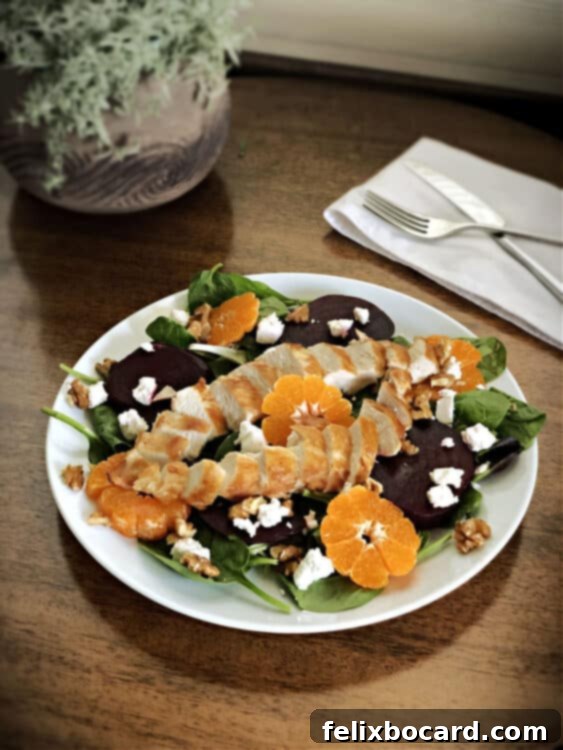
While the combination of ingredients is incredibly flavorful, most people find this salad truly shines when dressed. Serve with your favorite balsamic vinaigrette, drizzling it just before serving to keep the greens crisp.
📖 Recipe: Vibrant Beet Salad with Goat Cheese

Print Recipe
Pin it!
Beet Salad with Goat Cheese
Ingredients
- 2-3 medium beets (about ½ pound total)
- 2 mandarin oranges
- 2 oz goat cheese
- ¼ cup walnuts
- 4 oz mixed greens (washed and patted dry)
- Optional: edamame or cooked chicken breast
- Balsamic vinaigrette (for serving)
Instructions
- Clean, cook, and peel the beets by your preferred method. Cut into bite-sized pieces.
- Peel and segment the mandarin oranges. Roughly chop the walnuts as needed.
- Assemble the salads by arranging the mixed greens as a base, followed by beet and orange pieces. Then add crumbled goat cheese and chopped walnuts.
- For additional protein, add edamame or cooked chicken breast.
- Serve with balsamic vinaigrette or other salad dressing as preferred.
Video
Notes
Nutrition
Nutrition values are estimates only, using online calculators. Please verify using your own data.
Enjoy this incredibly flavorful and nutritious Beet Salad with Goat Cheese! It’s a perfect meal for lunch or a beautiful side dish for dinner. Don’t forget to save or share this recipe!