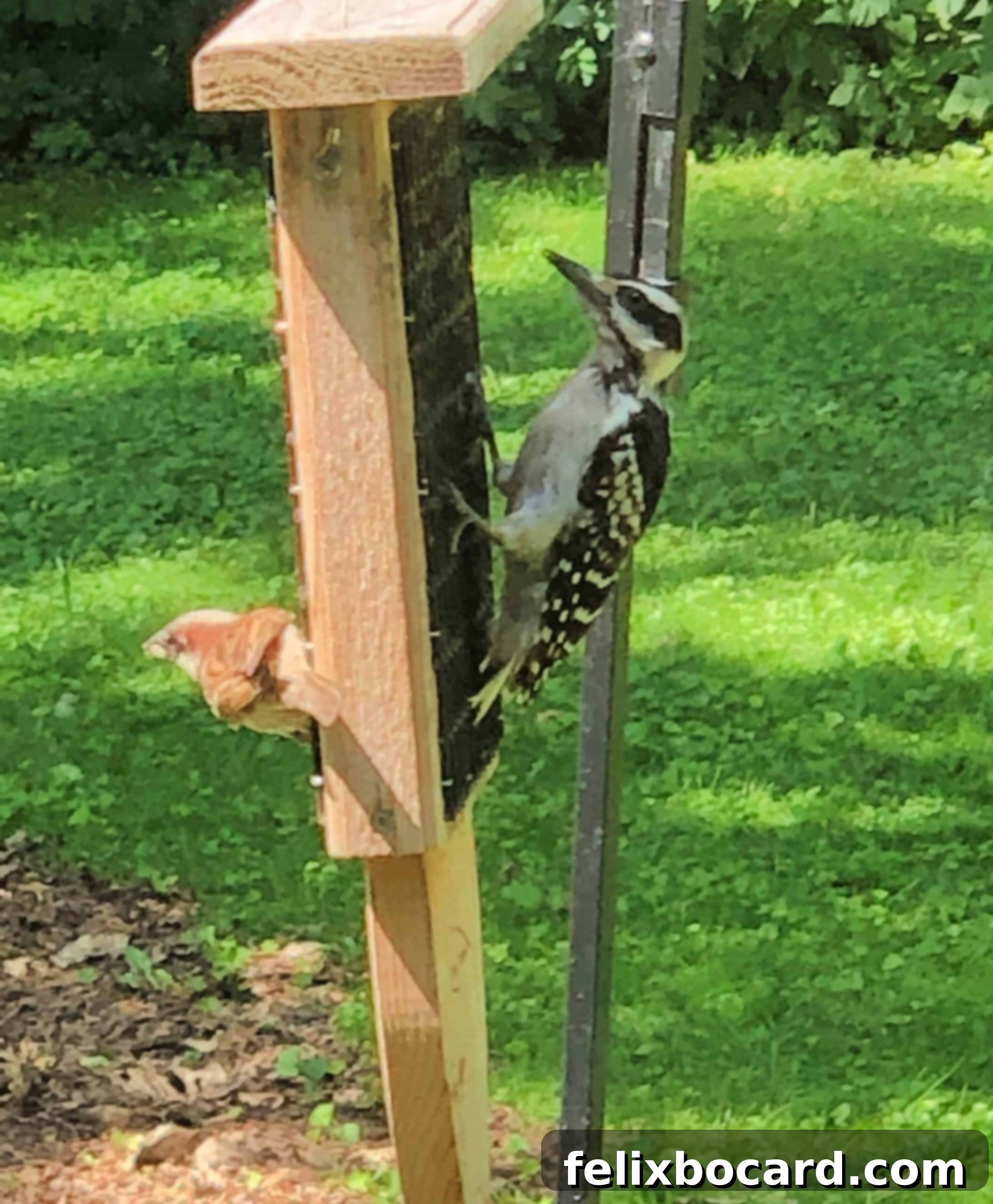
There’s an undeniable joy in connecting with nature, and for many, that connection is fostered right in their own backyard. Few things are as rewarding as observing the vibrant tapestry of birds that visit your home, especially when you provide them with a nourishing food source. As an avid backyard bird enthusiast living in a beautiful, wooded area, I’m fortunate to witness a stunning variety of feathered friends daily. Their unique beauty and the enchanting melodies of songbirds are a constant source of delight.
For a long time, I believed that bird feeders were primarily essential during the harsh winter months when natural food sources dwindle. However, I’ve come to a profound realization: maintaining consistently stocked feeders year-round offers crucial support to declining bird populations. Moreover, it provides an unparalleled opportunity to observe a wider array of species throughout the year, including those fascinating migratory birds that only pass through during certain seasons. This continuous effort contributes not only to avian welfare but also enriches our lives with a constant display of nature’s wonders.
Since I started keeping my suet feeder continuously stocked, I’ve been rewarded with daily visits from not just one, but three distinct types of woodpeckers! Their persistent tapping and vibrant plumage are a testament to the effectiveness of a well-maintained suet supply. For these birds, and many others, suet isn’t just a treat; it’s a vital, high-energy food source, making it a 24/7 staple in my backyard.
You might be thinking, “Store-bought suet is readily available and often inexpensive, so why go through the effort of making your own?” While commercial options are convenient, there’s a strong and compelling argument to be made for providing birds with homemade suet. By crafting your own, you gain complete control over the ingredients, ensuring that you’re offering a natural, preservative-free treat. This is especially important as we strive to reduce artificial additives in our own diets, and it makes sense to extend that consideration to our wild visitors. Beyond the health benefits, the process of making suet is genuinely enjoyable and can become a delightful hobby, perhaps even with a little helper.
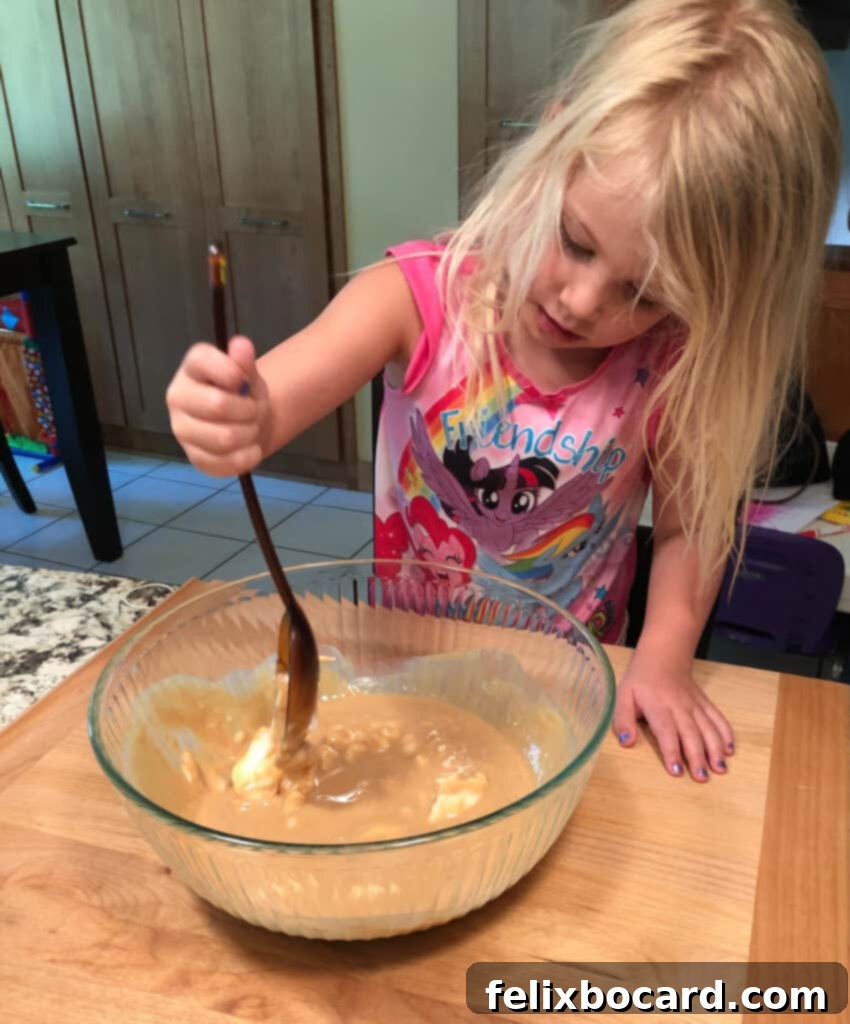
The experience is even more rewarding when you have an enthusiastic assistant! Engaging children in this activity teaches them about nature, responsibility, and the simple joy of caring for wildlife. It’s a fantastic way to spend quality time together while making a tangible difference for your local bird populations.
Let’s dive into the simple yet satisfying process of creating your very own homemade bird suet. The foundation of this nutritious treat is lard, which is essentially rendered pork fat. This essential ingredient is typically found in the baking or oils section of most grocery stores, usually sold in convenient 16-ounce blocks. Lard provides a concentrated source of energy, crucial for birds, especially during colder weather or periods of high activity like migration and nesting. Its high-fat content makes it an ideal base for suet, offering vital calories that help birds maintain their body temperature and fuel their daily foraging.
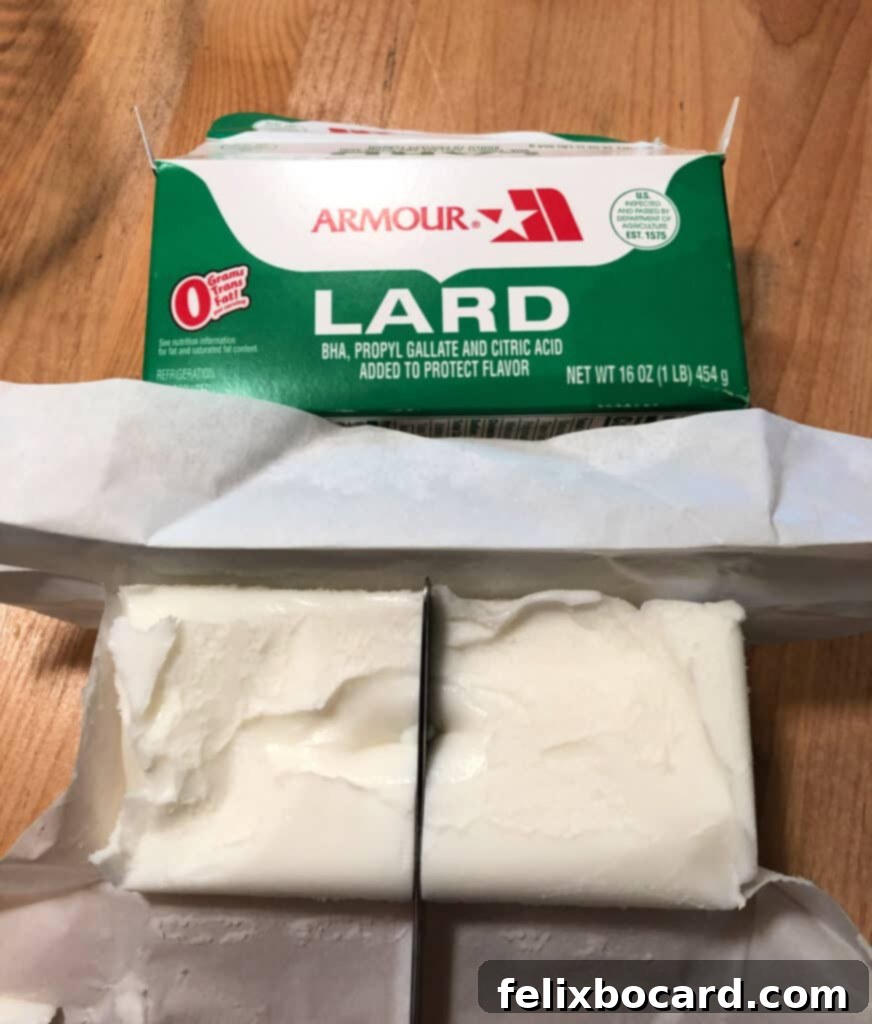
To begin, take your 16-ounce block of lard and cut it in half. You’ll only need one portion for a single batch of this recipe, allowing you to save the other half for your next suet-making adventure. This approach ensures freshness and makes the process more manageable, especially for those new to DIY bird suet. Once you have your portion, the real fun begins!
With your lard ready, it’s time to combine it with another energy-rich ingredient: peanut butter. Place the half-block of lard and one cup of peanut butter (chunky is often preferred by birds for added texture) into a large, microwave-safe bowl. Heat this mixture in the microwave for approximately one to two minutes, or until both ingredients are fully melted and smoothly combined. Stir thoroughly to ensure an even consistency. This melted fat and protein base is what will bind all your dry ingredients together, forming a solid, nutritious cake.
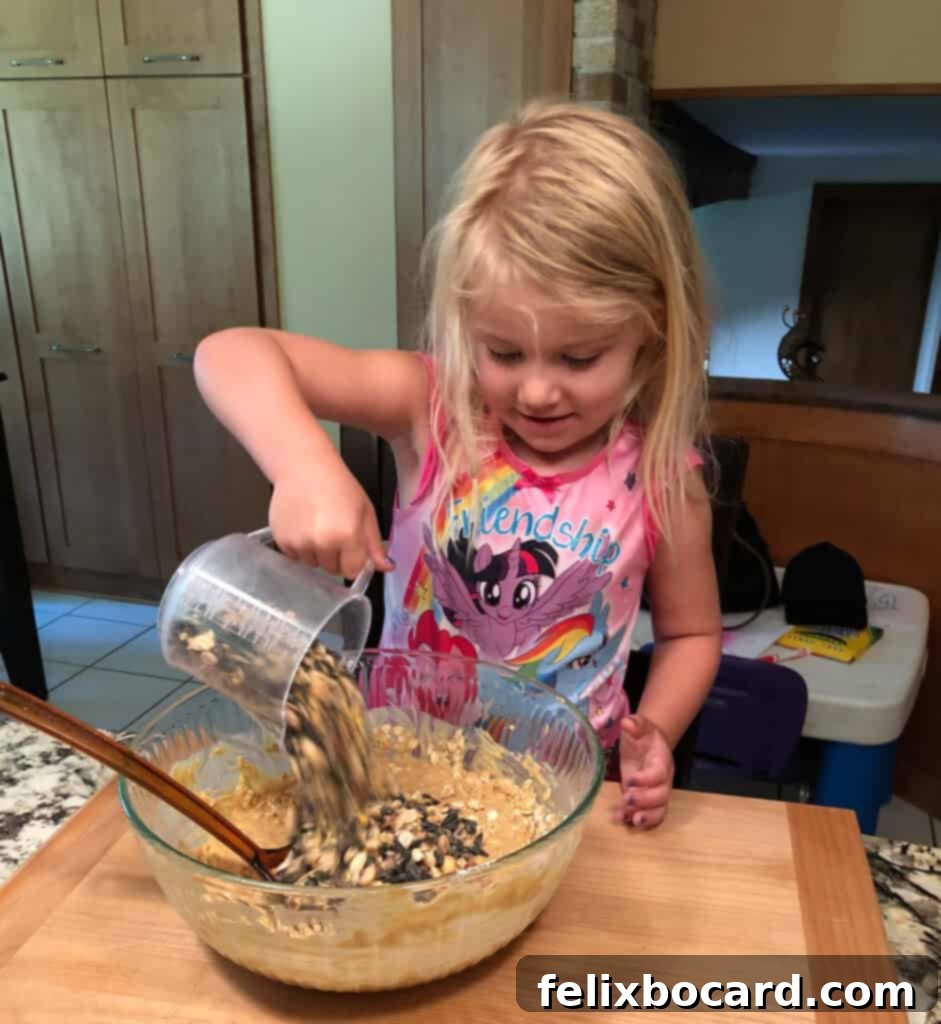
Once your wet ingredients are perfectly blended, it’s time to incorporate the dry components. This includes flour, cornmeal, oatmeal, and a generous amount of birdseed. These dry ingredients not only add essential nutrients and fiber but also give the suet its bulk and texture, making it appealing and easy for birds to consume. The combination of these ingredients creates a balanced meal that supports various bird species.
For the dry ingredients, start with half a cup of all-purpose flour. This acts as a binder, helping the suet cakes hold their shape once cooled. Next, you’ll need a total of three cups of grains. My original recipe called for three cups of cornmeal, but I’ve found that a flexible approach works best. If you don’t have enough cornmeal on hand, oatmeal makes an excellent substitute and provides similar nutritional value. For instance, in this particular batch, I used a combination of one cup of cornmeal and two cups of oatmeal. This flexibility allows you to adapt the recipe based on what you have, without compromising the quality or attractiveness of the suet. Once all the dry ingredients are added to the melted lard and peanut butter mixture, stir everything thoroughly until it forms a uniform, thick batter. The mixture should be well-combined, with the birdseed evenly distributed throughout. At this stage, your homemade suet is ready to be transformed into convenient cakes!

To create perfectly sized suet cakes for standard feeders, I highly recommend keeping at least one of the plastic molds that come with store-bought suet. These molds are designed to produce cakes that fit snugly into most suet feeders. If you don’t have a leftover suet mold, don’t worry! I’ll provide alternative instructions later in the recipe for making suet in a baking pan, which is just as effective.
Once you have your mold, the next step is to line it with plastic wrap. This crucial step prevents the suet from sticking and makes for easy removal once the cake has set. Ensure you leave a generous amount of plastic wrap extending beyond the edges of the mold; this excess will be used to completely enclose the suet cake. Then, spoon your freshly mixed suet into the lined mold, pressing down firmly to eliminate any air pockets and ensure a compact, solid cake. This firm pressing is key to creating a durable suet cake that won’t crumble prematurely in the feeder.

Continue adding suet to the mold, pressing firmly with each addition, until your desired thickness is achieved. Once the mold is full and the suet is tightly packed, fold the excess plastic wrap over the top to completely cover the cake. This wrapping protects the suet and makes it easy to handle. Carefully remove the wrapped cake from the mold, and it’s now ready for refrigeration. Repeat this molding process until all the suet mixture has been used, ensuring each cake is securely wrapped.
Typically, this recipe yields approximately five standard-sized suet cakes, providing a good supply for your feeders. If you’re fortunate enough to have multiple suet molds, you can simply leave the wrapped cakes within their molds during the freezing process. This can help maintain their shape and prevent any potential flattening. However, if you only have one mold, simply remove each wrapped cake after molding and place it directly into the freezer. The plastic wrap will protect it and ensure it sets properly.
If you don’t have a specific suet mold, a standard 9×13 inch baking pan works perfectly as an alternative. To prepare the pan, line it with parchment paper, allowing some overhang on the sides for easy removal later. Then, press the entire suet mixture evenly into the pan, ensuring it’s spread to a uniform thickness. Once pressed, refrigerate the pan for at least 30 minutes. This chilling period will firm up the suet cake, making it easier to handle and cut. After it’s firm, remove the entire block from the pan using the parchment paper overhang. You can then use a sharp knife to cut the suet into appropriate-sized pieces that fit your feeders. Be aware that cutting the suet this way might require a little “elbow grease” and the edges might not be perfectly clean, but rest assured, this method is highly effective and produces excellent results.
Once all your suet cakes are formed and individually wrapped, place them in the freezer to fully set. Freezing ensures they become solid and maintains their freshness. Keep the frozen cakes stored in an airtight container or freezer bag until you are ready to use them. This preparation allows you to have a steady supply of homemade suet on hand, ready to replenish your feeders whenever needed, making backyard bird feeding a continuous and hassle-free pleasure.
It’s important to remember that homemade suet contains no artificial preservatives, unlike many commercially produced versions. While this is a significant advantage for the birds’ health, it also means that your homemade suet is more susceptible to spoiling or becoming rancid if left out too long, especially in warm temperatures. As a general guideline, it is recommended to keep homemade suet out when outdoor temperatures are consistently below 50 degrees Fahrenheit (around 10 degrees Celsius). However, I’ve often extended this guideline by keeping a close watch on the suet in my feeders. If you notice any signs of melting, softening, or a sour odor, it’s best to remove and replace the suet immediately to prevent any harm to the birds. Regular monitoring ensures your feathered visitors always receive fresh, high-quality food.
After preparing this batch of delicious homemade suet, I typically freeze a portion to keep it fresh until the cooler autumn months. During the summer, when temperatures can fluctuate, I often alternate between my homemade suet and store-bought versions. This strategy allows me to continue attracting and feeding birds year-round while ensuring they always have access to fresh, safe food. This thoughtful approach helps maintain a consistent food source for your backyard guests, whether they are resident birds or migratory visitors enjoying a temporary stopover.
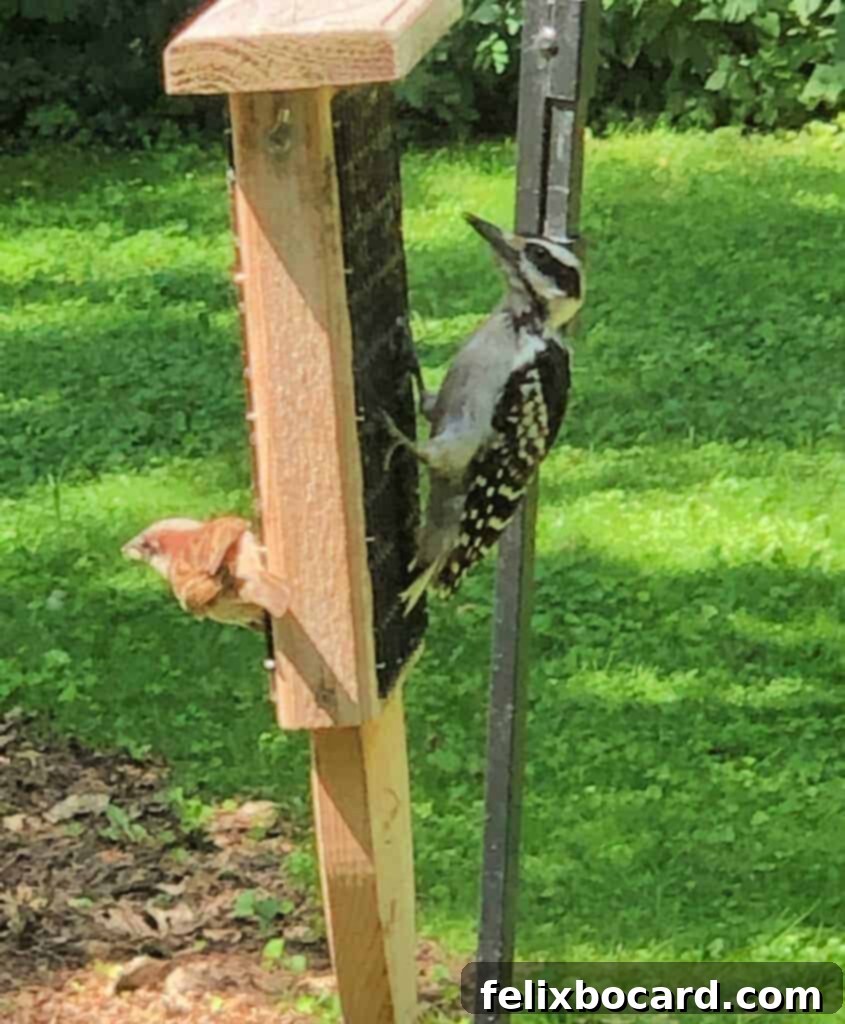
So, attention all birdwatching enthusiasts! Get ready to welcome a diverse and vibrant array of feathered company to your backyard. With this easy-to-follow homemade suet recipe, you’re not just offering food; you’re providing vital sustenance, contributing to wildlife conservation, and creating a lively, captivating natural spectacle right outside your window. Enjoy the beauty and wonder that backyard birding brings!
📖 Recipe: Homemade Bird Suet

Print Recipe
Bird Suet
10
10
Equipment
- Suet molds or a 9×13 inch pan
- Large microwave-safe bowl
- Spoon or spatula for mixing
- Plastic wrap or parchment paper
Ingredients
- 8 oz lard (half of a 16oz block)
- 1 cup peanut butter (chunky preferred)
- 3 cups mixed grains (cornmeal and/or oatmeal)
- ½ cup all-purpose flour
- 4 cups birdseed (your preferred mix)
Instructions
- Place the 8oz lard and 1 cup of peanut butter in a large, microwave-safe bowl. Microwave on high for 1-2 minutes until both ingredients are fully melted and can be stirred smooth.
- Add the 3 cups of mixed grains (cornmeal/oatmeal), ½ cup of flour, and 4 cups of birdseed to the melted mixture. Stir vigorously until all ingredients are thoroughly combined and the mixture forms a thick, uniform batter.
- **For Molds:** Line a suet mold (or molds) with plastic wrap, ensuring ample plastic hangs over the sides. Spoon the suet mixture into the lined mold, pressing firmly to pack it in. Once full, fold the extra plastic wrap over to fully enclose the cake. Gently remove the wrapped cake from the mold. Repeat until all suet is used.
- **For a Pan (no molds):** Line a 9×13 inch baking pan with parchment paper, leaving an overhang. Press the entire suet mixture evenly into the pan. Refrigerate for at least 30 minutes until firm. Remove the block using the parchment paper, then cut into appropriate-sized pieces for your feeder. Wrap each piece individually in plastic wrap.
- Place all the wrapped suet cakes in the freezer to completely set. Store them in the freezer until needed to maintain freshness and firmness.