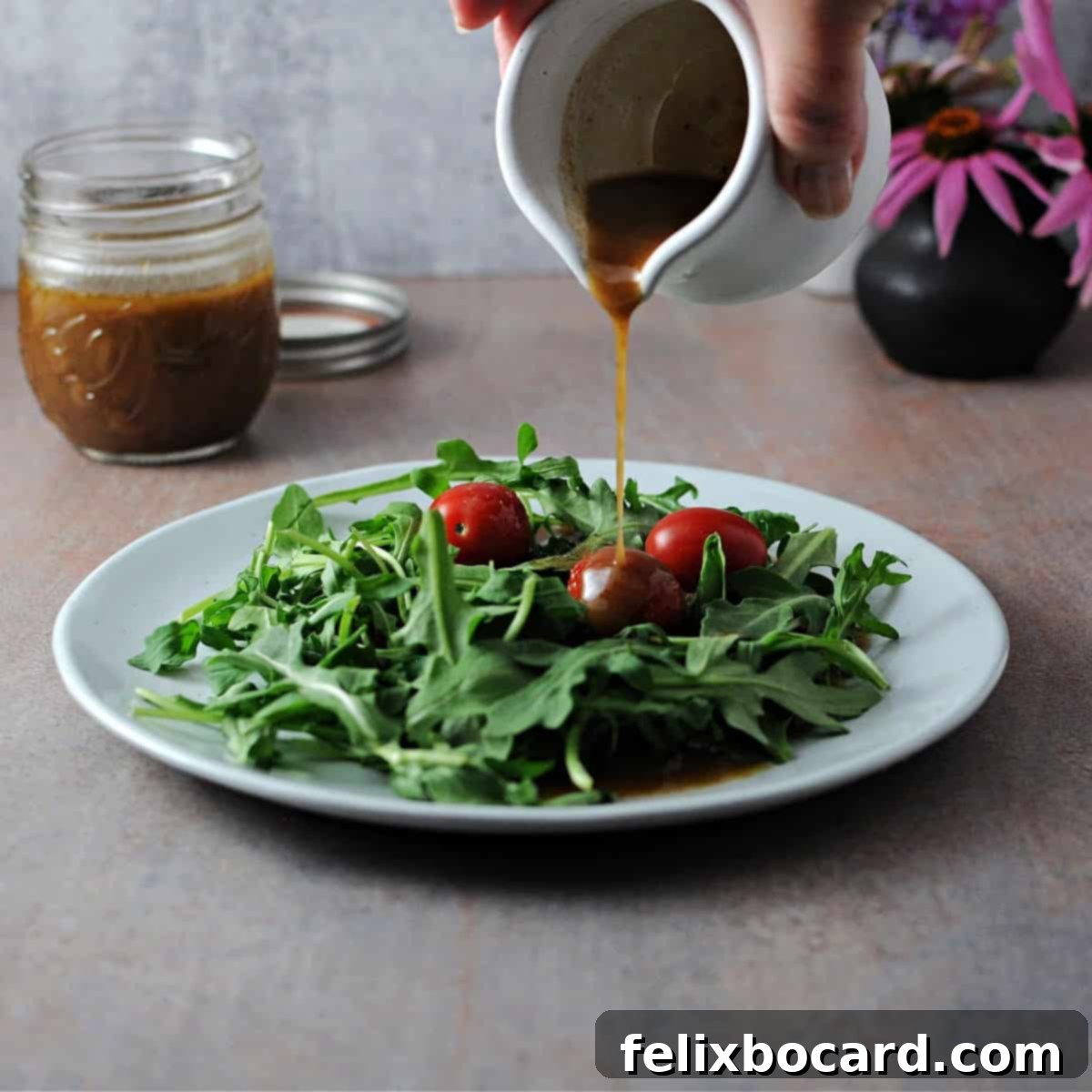
Mastering Homemade Balsamic Vinaigrette: Your Ultimate Guide to Flavorful Salads and More
In the realm of quick and delicious salad dressings, balsamic vinaigrette stands out as a timeless classic. Its versatility and vibrant flavor profile make it a staple in kitchens worldwide. This delightful dressing offers a perfect harmony of sweet and tangy notes, coupled with a smooth, silky texture that enhances everything from crisp green salads to hearty roasted vegetables. While store shelves are stocked with countless options, there’s an unparalleled satisfaction and superior taste that comes with crafting your own balsamic vinaigrette right at home. It’s not just a dressing; it’s an experience in fresh, customizable flavor, and remarkably, it’s incredibly easy to achieve.
Making your own balsamic vinaigrette allows for complete control over the ingredients, ensuring you use only the freshest and highest-quality components. You can tailor it precisely to your palate, adjusting the balance of sweetness and acidity, or incorporating your favorite aromatics like garlic or shallots. The result is a dressing that not only tastes better than anything you can buy but also avoids unnecessary additives and preservatives often found in commercial versions. Prepare to elevate your meals with this simple, yet profoundly impactful, homemade staple.
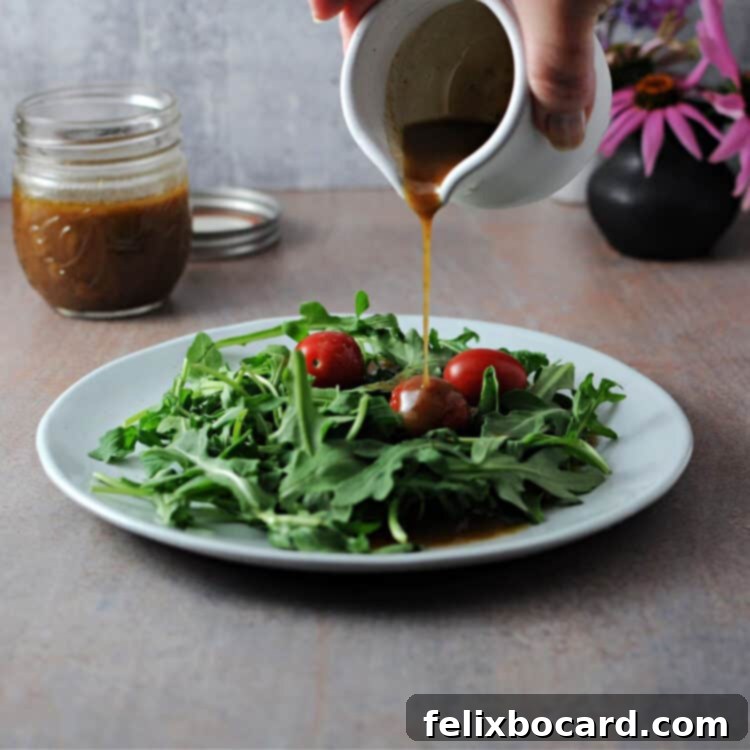
Why Homemade Balsamic Vinaigrette is Your New Kitchen Essential
For years, homemade balsamic vinaigrette has been a go-to in countless households, including my own, and for good reason. It’s a testament to how simple ingredients can transform into something extraordinary. This dressing isn’t just a convenience; it’s a commitment to fresh flavors and healthier eating, easily surpassing the quality of most bottled alternatives.
One of the primary advantages of making your own vinaigrette is the complete transparency of ingredients. When you examine the label of many store-bought dressings, you often find a list of unfamiliar chemicals, added sugars, and unhealthy oils. By contrast, a homemade balsamic vinaigrette uses only a handful of wholesome, natural components that you control. This allows you to avoid artificial flavors, colors, and preservatives, making it a much healthier choice for you and your family.
Beyond health benefits, the taste of fresh, homemade vinaigrette is simply superior. Bottled dressings, while convenient, often lack the vibrant zest and nuanced balance of flavors that come from freshly minced garlic and shallots, quality olive oil, and the perfect balsamic vinegar. Customization is another key benefit. You can fine-tune the sweet and tangy balance to your exact preference, adding more honey for a sweeter profile or a splash more vinegar for an extra kick. This adaptability makes it perfect for pairing with a wide array of salads and dishes, ensuring every meal is exactly to your liking.
Essential Ingredients for Your Perfect Balsamic Vinaigrette
Crafting a truly exceptional balsamic vinaigrette starts with understanding the role each ingredient plays. While the recipe is deceptively simple, the quality of your chosen components can significantly impact the final flavor. Here’s what you’ll need, along with some tips for selection:
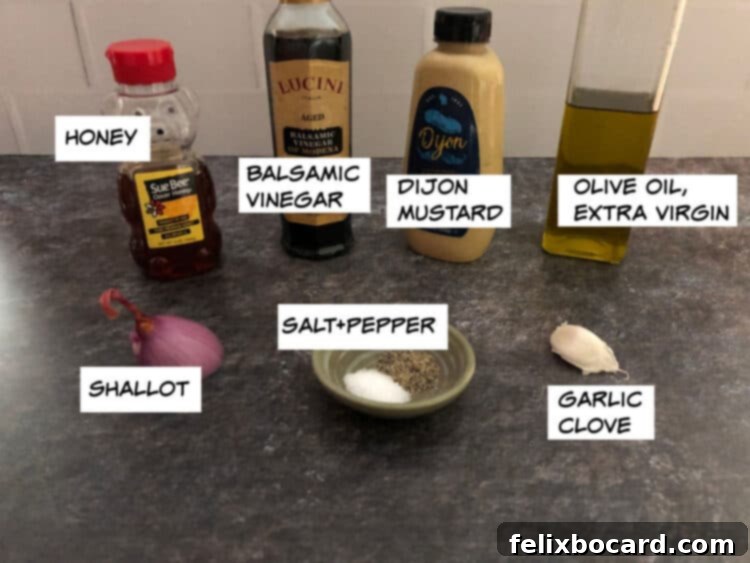
- Extra Virgin Olive Oil: This forms the base of your vinaigrette. Opt for a good quality extra virgin olive oil (EVOO) with a fruity, slightly peppery flavor. Avoid light olive oils, which lack the robust flavor necessary for this dressing. The EVOO contributes to the silky texture and rich mouthfeel.
- Balsamic Vinegar: The star of the show! The quality of your balsamic vinegar will largely determine the depth and complexity of your dressing. We’ll delve deeper into selecting balsamic vinegar below, but generally, a good quality, well-aged balsamic will offer a naturally sweeter and richer flavor.
- Dijon Mustard: More than just a flavor enhancer, Dijon mustard acts as a crucial emulsifier. It helps bind the oil and vinegar together, preventing separation and creating that desirable smooth, creamy consistency. It also adds a subtle tang and a touch of spice without overpowering the other flavors.
- Honey: This provides the perfect counterpoint to the vinegar’s acidity, balancing the overall flavor profile. The amount needed can vary based on the sweetness of your balsamic vinegar and your personal preference. Maple syrup or agave nectar can be used as vegan alternatives.
- Shallot: Finely minced shallot adds a delicate oniony flavor that is milder and sweeter than regular onion, contributing a sophisticated aromatic note to the dressing.
- Garlic: Freshly minced garlic is essential for a pungent, aromatic kick. Adjust the amount to your taste; some prefer a subtle hint, while others enjoy a more pronounced garlic presence.
- Salt and Freshly Ground Black Pepper: These are indispensable for seasoning, enhancing all the other flavors and bringing everything into harmony. Always taste and adjust to achieve the perfect balance.

Crafting Your Own Balsamic Vinaigrette: A Simple Step-by-Step Guide
You’ll be amazed at how quickly this elegant dressing comes together. From start to finish, including the minimal prep work, you can have a fresh batch ready in about 5 minutes. Here’s how:
- Prepare Your Ingredients: Begin by mincing your shallot and garlic very finely. Precision here helps ensure a smooth dressing without large chunks. Measure out all your liquid ingredients – the olive oil, balsamic vinegar, Dijon mustard, and your initial amount of honey (start with 1 tablespoon). Have your salt and pepper ready.
- Combine in a Blender or Food Processor: Transfer all the measured ingredients, starting with 1 tablespoon of honey, into a small blender or food processor. The power of a blender is key to achieving a beautifully emulsified dressing.
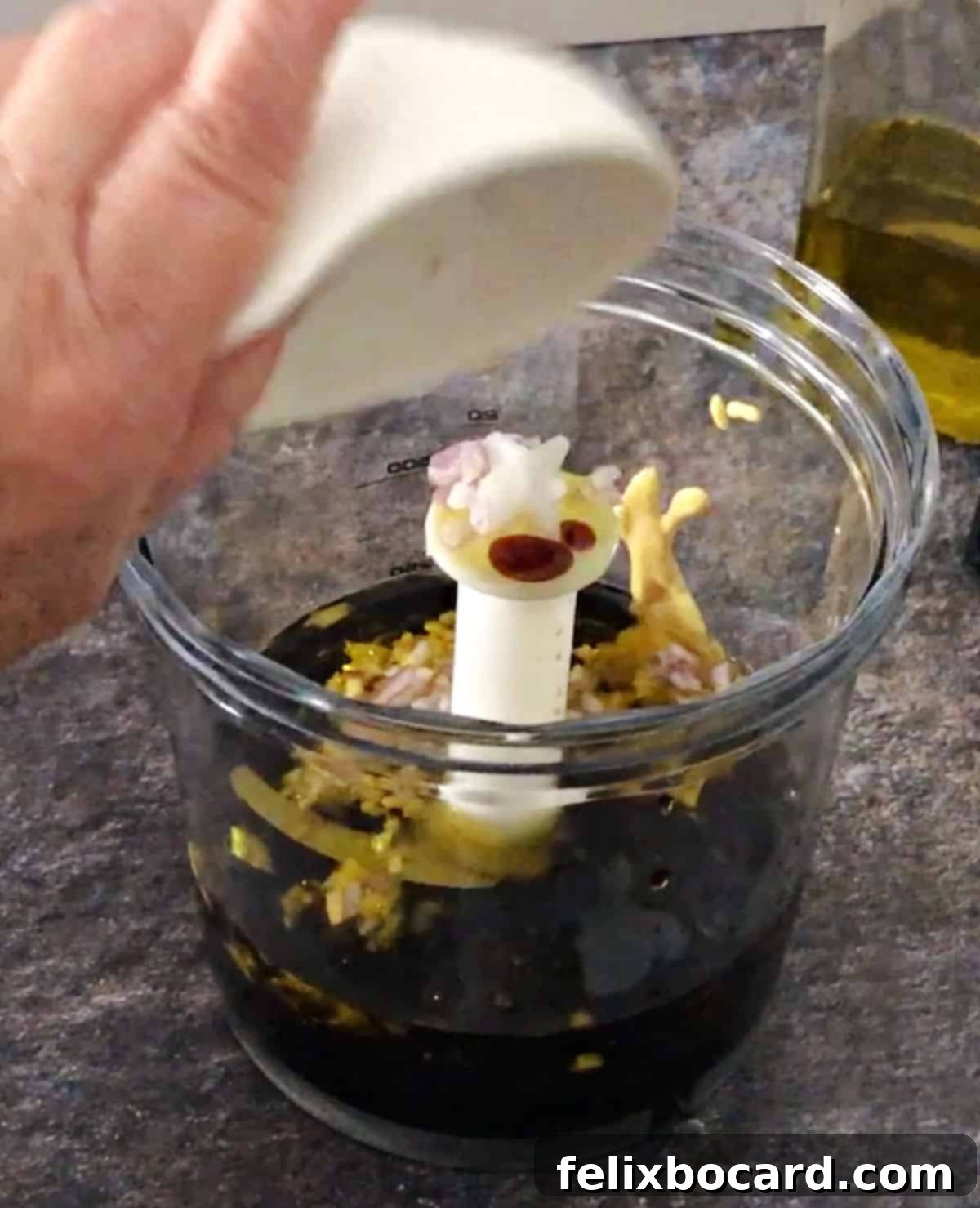
- Blend to Perfection: Secure the lid and blend the ingredients on medium to high speed for approximately one minute. The goal is to fully incorporate everything, creating a uniform, creamy emulsion. You’ll notice the dressing becoming thicker and lighter in color as it emulsifies.
- Taste and Adjust: After blending, give your dressing a quick taste test. This is where the magic of customization happens! If the balsamic or mustard flavor is too sharp for your liking, add a little more honey, blending again briefly to combine. Depending on the inherent sweetness and acidity of your balsamic vinegar, you might need up to two tablespoons of honey. It’s always best to start with less and add gradually until you reach your desired sweet-tangy equilibrium.
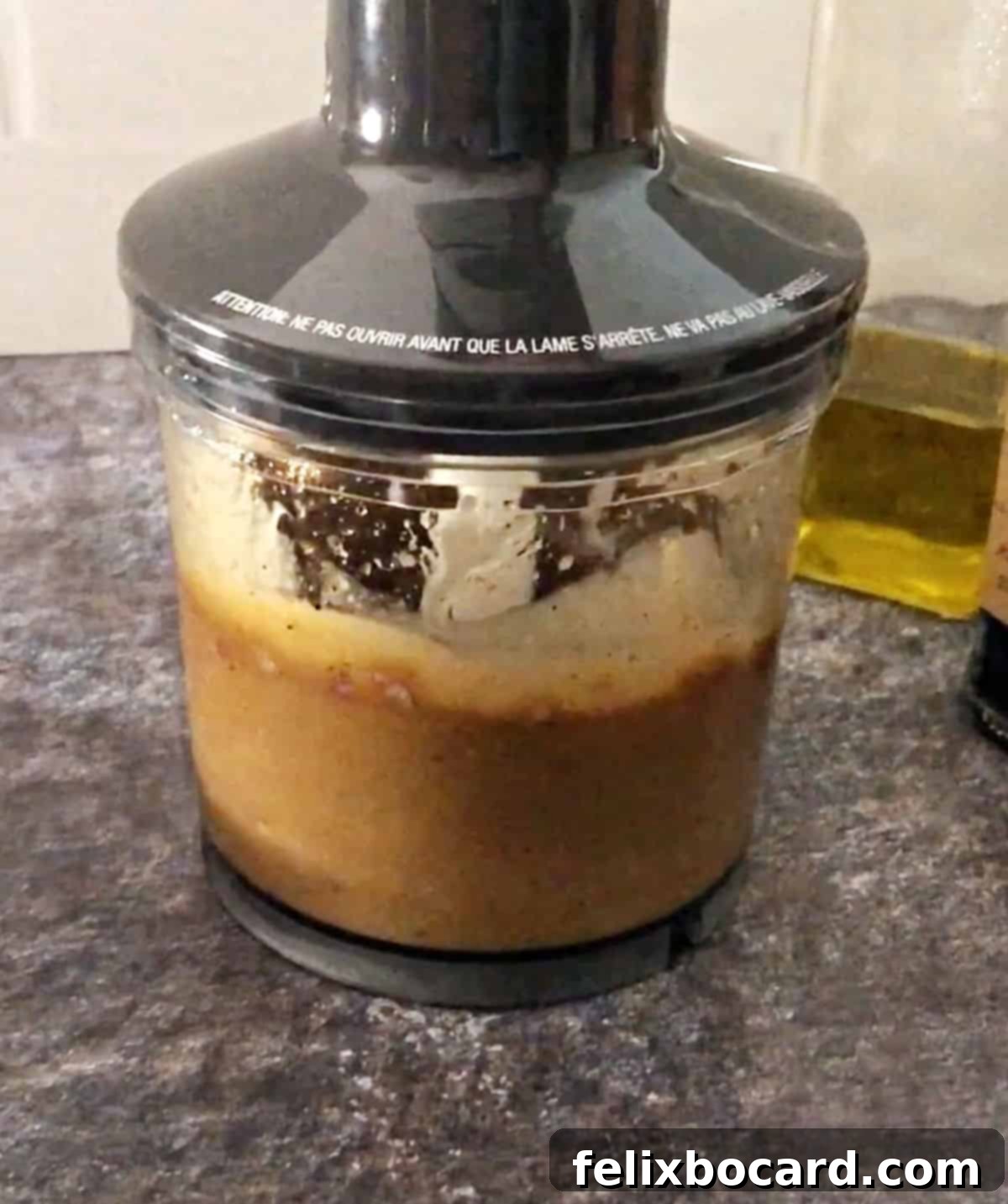
- Alternative Methods (Whisking or Shaking): While a blender provides the most effortless and consistent emulsion, you can certainly make balsamic vinaigrette without one. For a hand-whisked version, combine all ingredients in a bowl and whisk vigorously until well combined and slightly thickened. Alternatively, for an even quicker method, place all ingredients in a Mason jar, seal the lid tightly, and shake vigorously for at least 30-60 seconds, or until fully emulsified.
- Why a Blender is Preferred: I confess my preference for a blender largely stems from its efficiency in finely chopping the shallot and garlic, resulting in a smoother texture than I can achieve with a knife alone. More importantly, it excels at emulsifying the oil and vinegar, producing that luxurious, silky texture that truly elevates the dressing. While whisking or shaking works, achieving the same level of emulsification and smoothness often requires more patience and effort than I typically possess. The blender makes it virtually foolproof.
Understanding Balsamic Vinegar: The Secret to a Superior Dressing
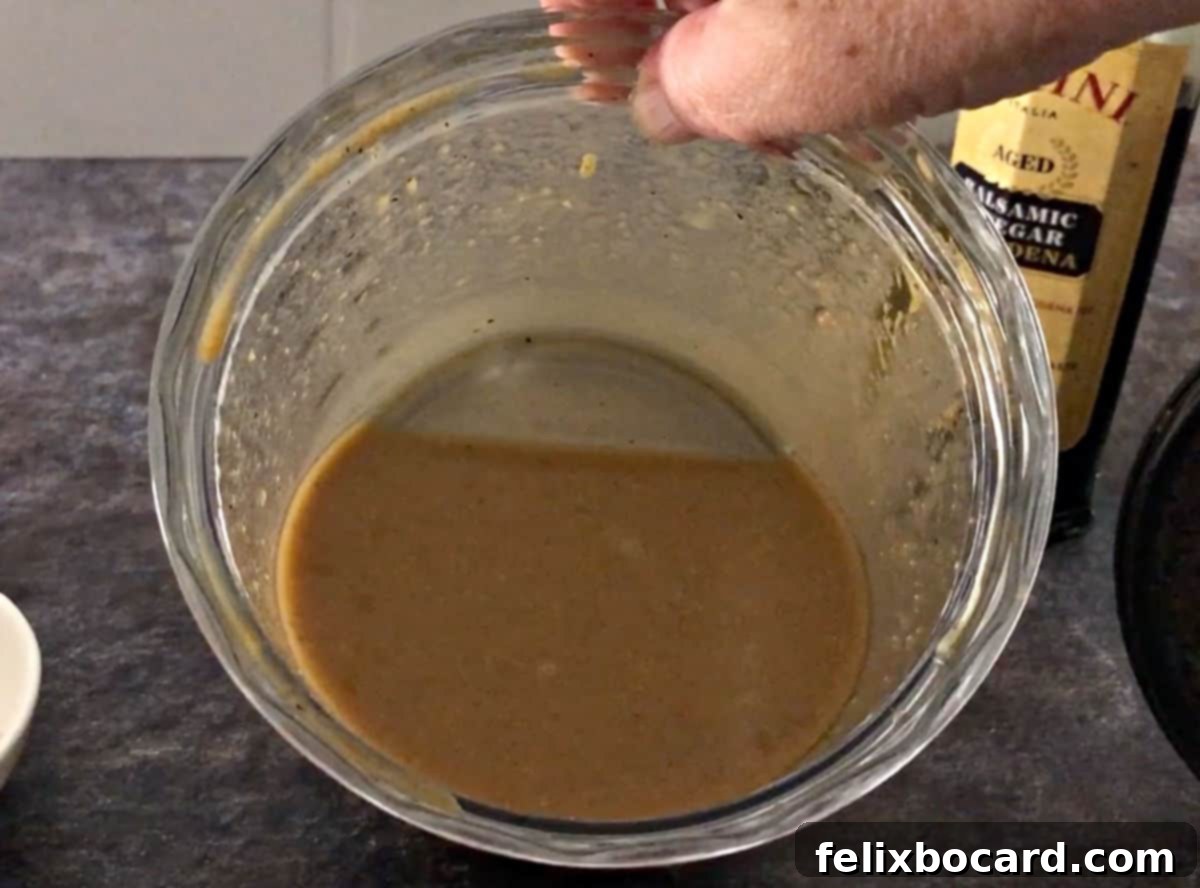
The phrase “aged balsamic vinegar is so much better” might sound like culinary snobbery, but its truth became profoundly clear once I started making my own balsamic vinaigrette. The difference is not subtle; it’s transformative.
Traditional balsamic vinegar, often denoted with “Aceto Balsamico Tradizionale” and a D.O.P. certification, is a rich, syrupy, and intensely flavorful vinegar that is aged for many years in various wooden barrels. It’s truly a gourmet product. However, what you typically find in supermarkets is “Balsamic Vinegar of Modena” (often I.G.P. certified), which varies widely in quality. These are usually blends of grape must and wine vinegar, sometimes with added caramel color or thickeners.
When shopping, a quick indicator of higher quality, often more aged balsamic, is its price. Generally, a significantly higher price tag points to a balsamic with a deeper, more complex flavor profile and often a thicker consistency. After filtering by price, always read the label. Look for terms like “aged,” “dense,” or “reserve,” and check the ingredient list for a high percentage of grape must and fewer additives.
The key distinction lies in the taste: a well-aged balsamic vinegar is inherently richer, smoother, and possesses a profound, natural sweetness. This characteristic directly impacts your vinaigrette. With “the good stuff,” you’ll find yourself needing far less honey (often just one tablespoon) to achieve the perfect balance of sweet and tart. Conversely, a less aged, more acidic balsamic will require at least two tablespoons, if not more, to temper its sharpness and attain the desired flavor profile. This is precisely why the recipe suggests a range for honey.
Since this discovery, I admit, I’ve become somewhat of a balsamic vinegar enthusiast, opting only for the higher-quality options. While investing in premium balsamic vinegar can elevate your cooking, remember that you can always adjust the honey content with more economical choices to still achieve a delicious dressing. No judgment here – simply good food!
Storing Your Homemade Balsamic Vinaigrette: Freshness That Lasts
Proper storage ensures your homemade balsamic vinaigrette remains fresh and flavorful for an extended period, allowing you to enjoy its goodness whenever a salad craving strikes. It’s incredibly simple to keep this dressing on hand:
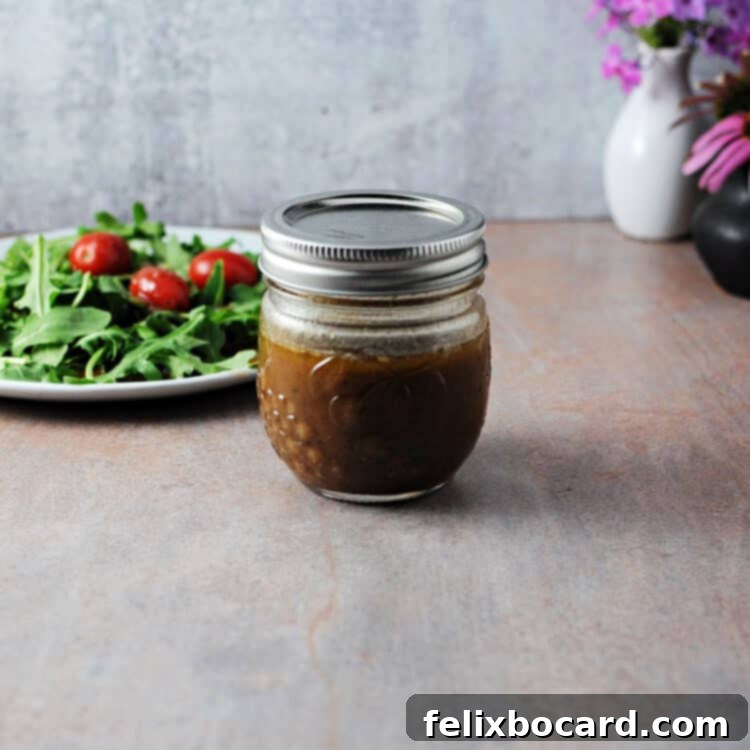
- Container Choice: The best way to store your vinaigrette is in an airtight container in the refrigerator. Small glass jars with tight-fitting lids, like Mason jars, are ideal. They are easy to shake and keep the dressing well-sealed from other fridge odors.
- Shelf Life: Stored correctly, your balsamic vinaigrette should easily last for up to two weeks in the refrigerator. The vinegar and oil act as natural preservatives, helping to maintain its freshness.
- Natural Separation: It’s completely normal for the oil and vinegar to separate after sitting in the fridge, especially after the initial emulsification settles. This is a natural process and not a sign of spoilage.
- Ready to Serve: Before each use, simply give the jar a good shake to re-emulsify the dressing. It will quickly come back together, ready to pour over your favorite dishes!
Beyond Salads: Creative Ways to Enjoy Balsamic Vinaigrette
While balsamic vinaigrette is undeniably a champion of salads, its culinary applications extend far beyond a simple bed of greens. Its balanced sweet and tangy profile makes it incredibly versatile, ready to elevate a multitude of dishes:
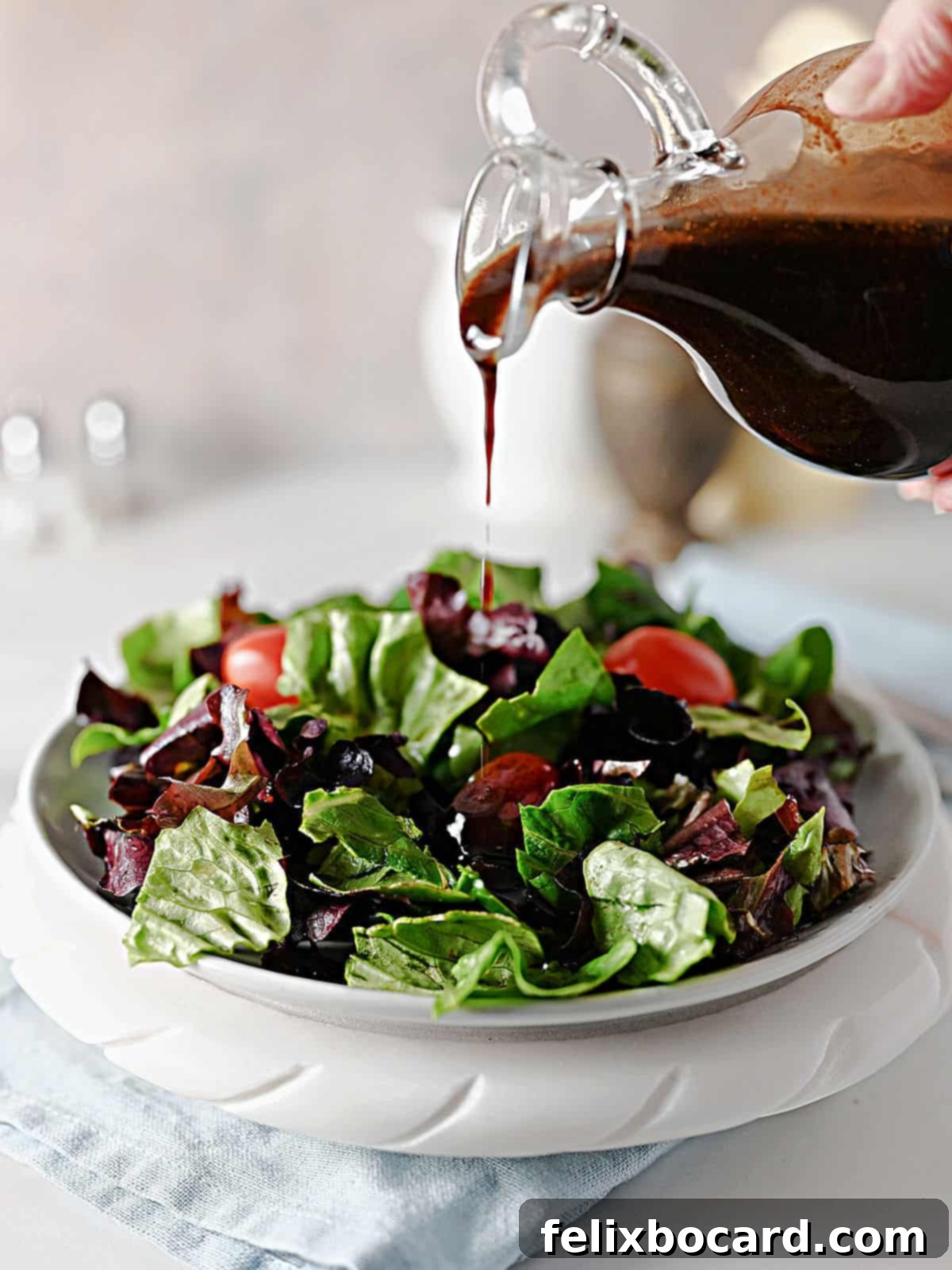
- Classic Salads: Naturally, it shines on any salad! It’s perfect for a straightforward mix of greens and cherry tomatoes. But don’t stop there. Try it on a sophisticated beet salad with goat cheese for a truly incredible flavor combination, or drizzle it over a vibrant strawberry walnut salad for a refreshing, fruity twist. It also works wonderfully on pasta salads, potato salads, and grain bowls.
- Marinades: Balsamic vinaigrette makes an excellent marinade! Its acidity helps tenderize meats like chicken, steak, pork, or fish, while the oil and seasonings infuse them with incredible flavor. Marinate for at least 30 minutes, or up to several hours in the refrigerator, before grilling, baking, or pan-searing.
- Roasted Vegetables: Toss your favorite vegetables – think Brussels sprouts, asparagus, bell peppers, or zucchini – with a generous amount of balsamic vinaigrette before roasting. The dressing caramelizes beautifully in the oven, adding a rich, savory-sweet glaze.
- Grilled Foods: Brush it onto grilled chicken, fish, or even slices of portobello mushrooms during the last few minutes of cooking for a flavorful finish.
- Dipping Sauce: Serve it as a sophisticated dipping sauce for crusty bread, fresh vegetables, or even mozzarella sticks.
- Sandwich & Wrap Enhancer: Drizzle a little vinaigrette into your sandwiches, wraps, or even flatbreads to add a burst of flavor and moisture.
Frequently Asked Questions About Homemade Balsamic Vinaigrette
Absolutely! Balsamic vinaigrette makes an excellent marinade for chicken, as well as pork, steak, or even firm tofu. The acidity from the vinegar helps to tenderize the protein, while the oil and seasonings infuse it with a wonderful depth of flavor. For best results, allow chicken to marinate for at least 30 minutes, or up to 2-4 hours in the refrigerator, before cooking. Ensure you discard any used marinade that has come into contact with raw meat.
No, they are distinct. Balsamic vinegar is a single ingredient – a concentrated, typically sweet and tangy vinegar made from grape must. Balsamic vinaigrette, on the other hand, is a dressing crafted by combining balsamic vinegar with other ingredients like olive oil, a sweetener (such as honey), Dijon mustard, and various seasonings (garlic, shallots, salt, pepper). Essentially, balsamic vinegar is an ingredient used to make balsamic vinaigrette.
It certainly can be, and often is! Balsamic vinegar itself has natural sweetness. When making vinaigrette, additional sweeteners like honey or maple syrup are typically added to balance the vinegar’s tang and create a more palatable, well-rounded flavor profile. The degree of sweetness can be adjusted to your personal preference, making it a versatile dressing that caters to various tastes.
Yes, absolutely! While a blender provides the smoothest and most consistent emulsion, you can easily make balsamic vinaigrette by hand. Simply combine all the ingredients in a bowl and whisk vigorously until well combined and emulsified. Alternatively, place everything in a jar with a tight-fitting lid and shake enthusiastically until the dressing comes together. Just be prepared for a slightly less creamy texture, especially if your aromatics aren’t finely minced.
When stored in an airtight container in the refrigerator, homemade balsamic vinaigrette typically remains fresh and delicious for up to two weeks. The vinegar and oil contribute to its preservation. Remember to give it a good shake before each use, as the oil and vinegar may separate over time, which is completely normal.
📖 Easy Homemade Balsamic Vinaigrette Recipe

Print Recipe
Pin it!
Homemade Balsamic Dressing Recipe
Ingredients
- ¾ cup extra virgin olive oil
- ¼ cup balsamic vinegar
- 1 Tablespoon Dijon mustard
- 1-2 Tablespoons honey * (adjust to taste)
- 1 Tablespoon shallot (minced, about ½ a medium shallot)
- 1 clove garlic (minced)
- ½ teaspoon salt
- ½ teaspoon pepper
Instructions
- Add all ingredients (starting with 1 Tablespoon honey) to a small blender or food processor.
- Blend ingredients at medium to high speed for about 1 minute until well incorporated and emulsified.
- Taste the dressing and adjust with a little more honey, salt, or pepper if needed to achieve your desired balance.
- Store in the refrigerator in a covered, airtight jar for up to two weeks. Shake well before each use.
Video
Notes
This recipe yields approximately one cup of delicious homemade salad dressing. A standard serving size is about 2 tablespoons.
Nutrition
Calories: 197 kcal | Carbohydrates: 4g | Protein: 1g | Fat: 20g | Saturated Fat: 3g | Polyunsaturated Fat: 2g | Monounsaturated Fat: 15g | Sodium: 169mg | Potassium: 20mg | Fiber: 1g | Sugar: 3g | Vitamin A: 2IU | Vitamin C: 1mg | Calcium: 5mg | Iron: 1mg
Nutrition values are estimates only, calculated using online tools. Please verify using your own data and preferred ingredients.