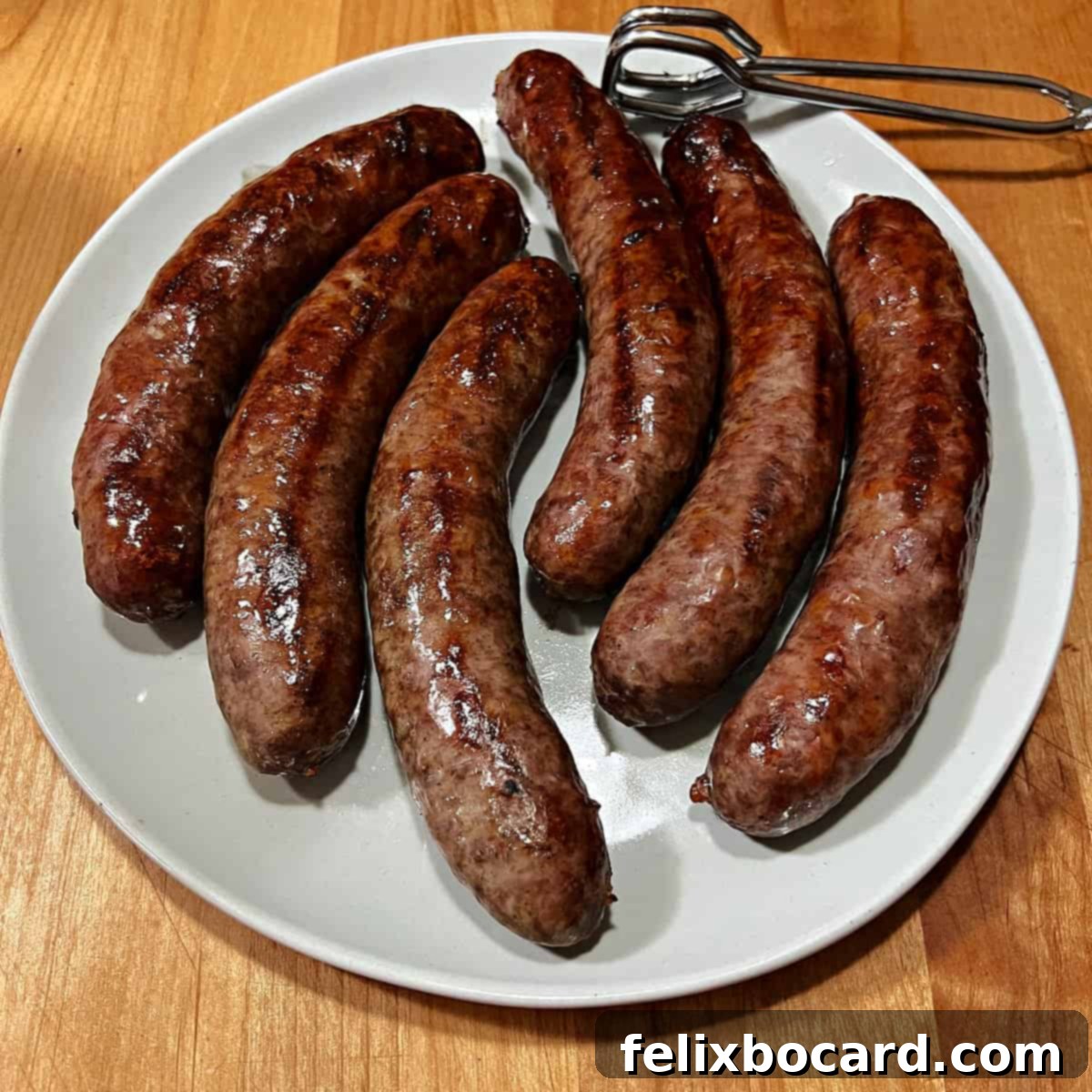
Discover the Authentic Wisconsin Beer Brat: A Grilling Tradition
In the heart of America’s Dairyland, Wisconsin, the humble bratwurst isn’t just a sausage—it’s a culinary institution, a cornerstone of backyard barbecues, tailgates, and festive gatherings. While many grilling enthusiasts simply toss their brats straight onto the grates, Wisconsinites have perfected a time-honored method that elevates this German-inspired staple to new heights: boiling brats in beer before grilling. This unique approach ensures every bite is bursting with flavor, incredibly tender, and cooked to juicy perfection.
This method isn’t just a tradition; it’s a game-changer for anyone seeking the ultimate bratwurst experience. By pre-cooking the bratwurst in a savory beer bath, you infuse it with a depth of flavor that’s simply unattainable through grilling alone. The beer tenderizes the meat, preventing it from drying out on the grill, and kickstarts the cooking process, making the final grilling step quicker and more foolproof. If you’ve never experienced a Wisconsin-style beer brat, prepare to have your expectations redefined by this simple yet profound technique.
“The results were phenomenal, simple, delicious, and an absolute home run for bratwurst lovers!” – Angela
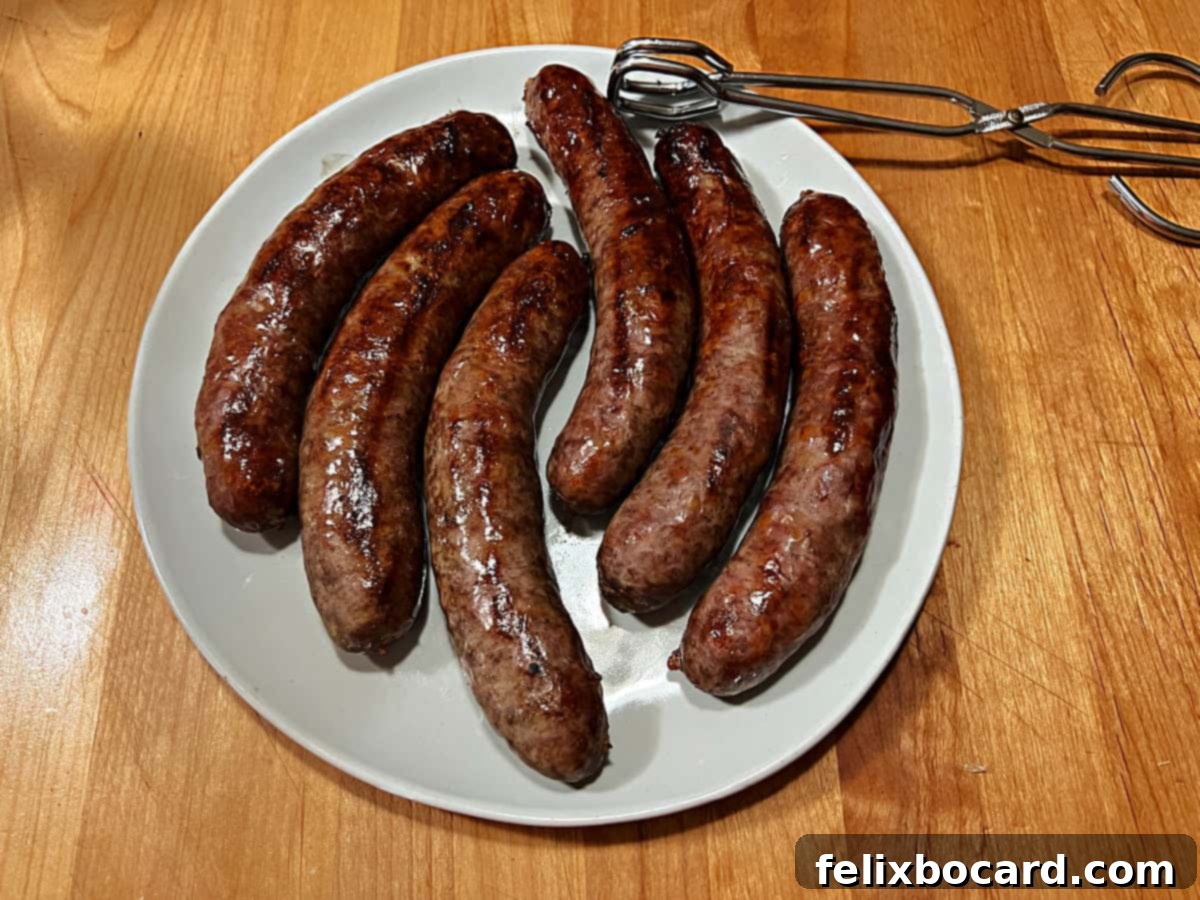
The Secret to Superior Flavor: Why Boil Brats in Beer?
Boiling bratwurst in beer is far more than just a pre-cooking step; it’s an essential technique that unlocks unparalleled flavor and texture. This simple yet brilliant method transforms ordinary sausages into extraordinary culinary delights. The beer, often a light lager or amber ale, gently infuses the brats with its malty, slightly hoppy notes, creating a rich and distinct savory profile that deepens during the subsequent grilling. The mild acidity of the beer also contributes to breaking down some of the meat’s connective tissues, resulting in a more tender bite.
Beyond flavor, the beer bath works wonders on the texture. Brats can easily dry out or become tough if cooked solely on a high-heat grill. By simmering them in liquid first, you ensure they become incredibly tender and juicy from the inside out. This par-boiling process also renders some of the fat, leading to a less greasy final product while keeping the sausage moist and flavorful. It’s a foundational step that guarantees a consistently delicious brat every time, preventing them from bursting on the grill and losing their precious juices.
For me, a significant advantage of the beer bath is the ease it brings to the grilling process. Imagine no longer standing guard over the grill, constantly worrying if your brats are cooked all the way through before the exterior burns. The beer bath essentially cooks the brats internally, leaving you to focus solely on achieving that perfect, caramelized sear and crispy skin on the grill. This not only speeds up the grilling time but also makes the entire experience much more relaxed and enjoyable, especially when entertaining guests. It’s a foolproof way to ensure perfectly cooked brats every single time.
Essential Ingredients for Authentic Beer Brats
Crafting the perfect Wisconsin beer brat doesn’t require a long list of exotic ingredients. In fact, its beauty lies in its simplicity. With just a few key components, you can create a memorable meal that truly captures the spirit of this regional specialty. Quality matters here, so choose your ingredients wisely for the best possible outcome.
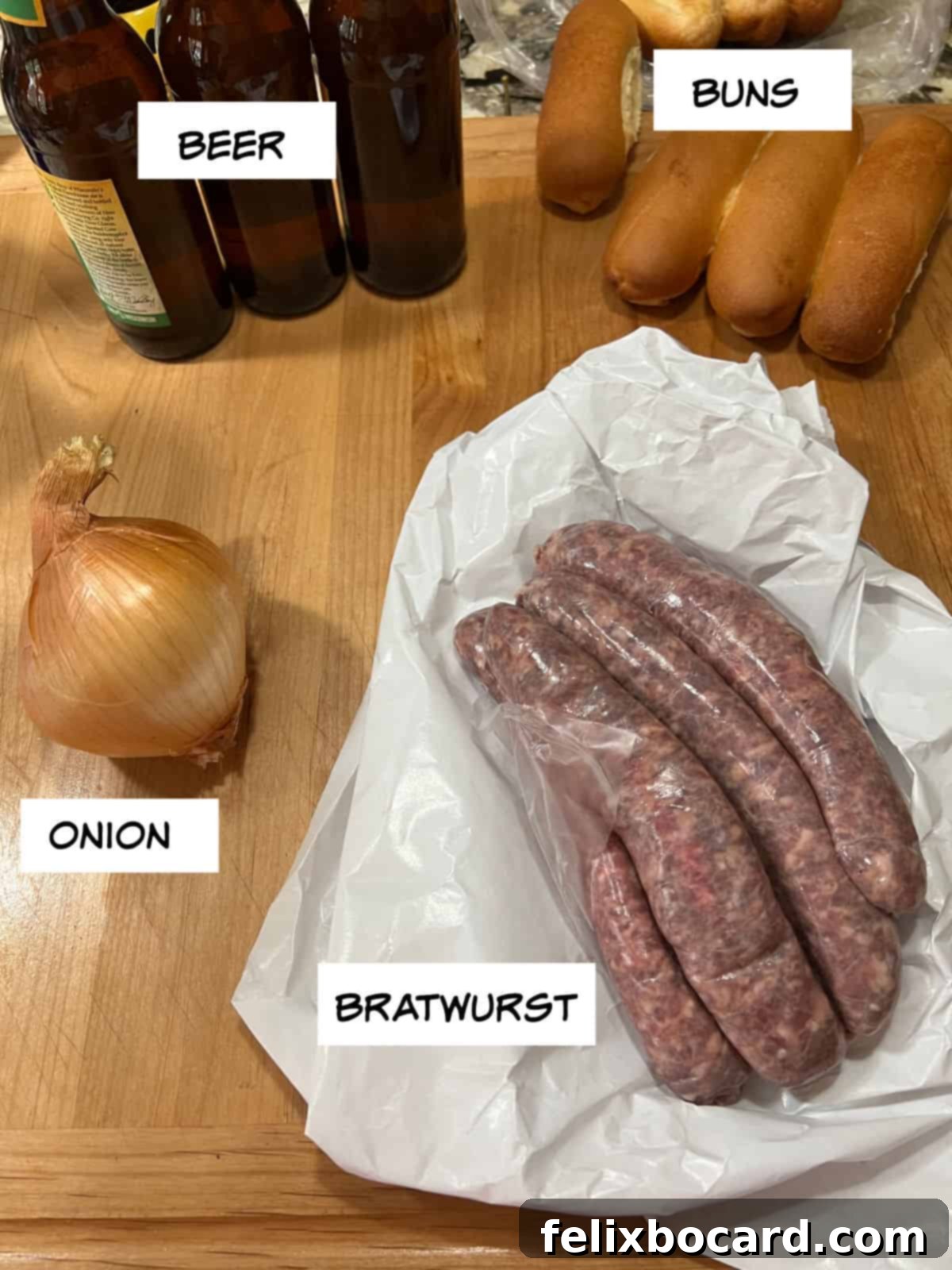
Selecting Your Bratwurst
The star of the show is, of course, the bratwurst itself. For an authentic Wisconsin beer brat, look for high-quality, fresh pork bratwurst. These are typically uncooked and unsmoked, allowing them to fully absorb the beer’s flavor. Ideally, source them from a local butcher who can offer superior quality and often a unique, traditional recipe. Many grocery stores also carry excellent options; just ensure they are raw and not pre-cooked or flavored, as you want the pure, traditional taste to shine through, complemented by the beer and onions.
Choosing the Right Beer
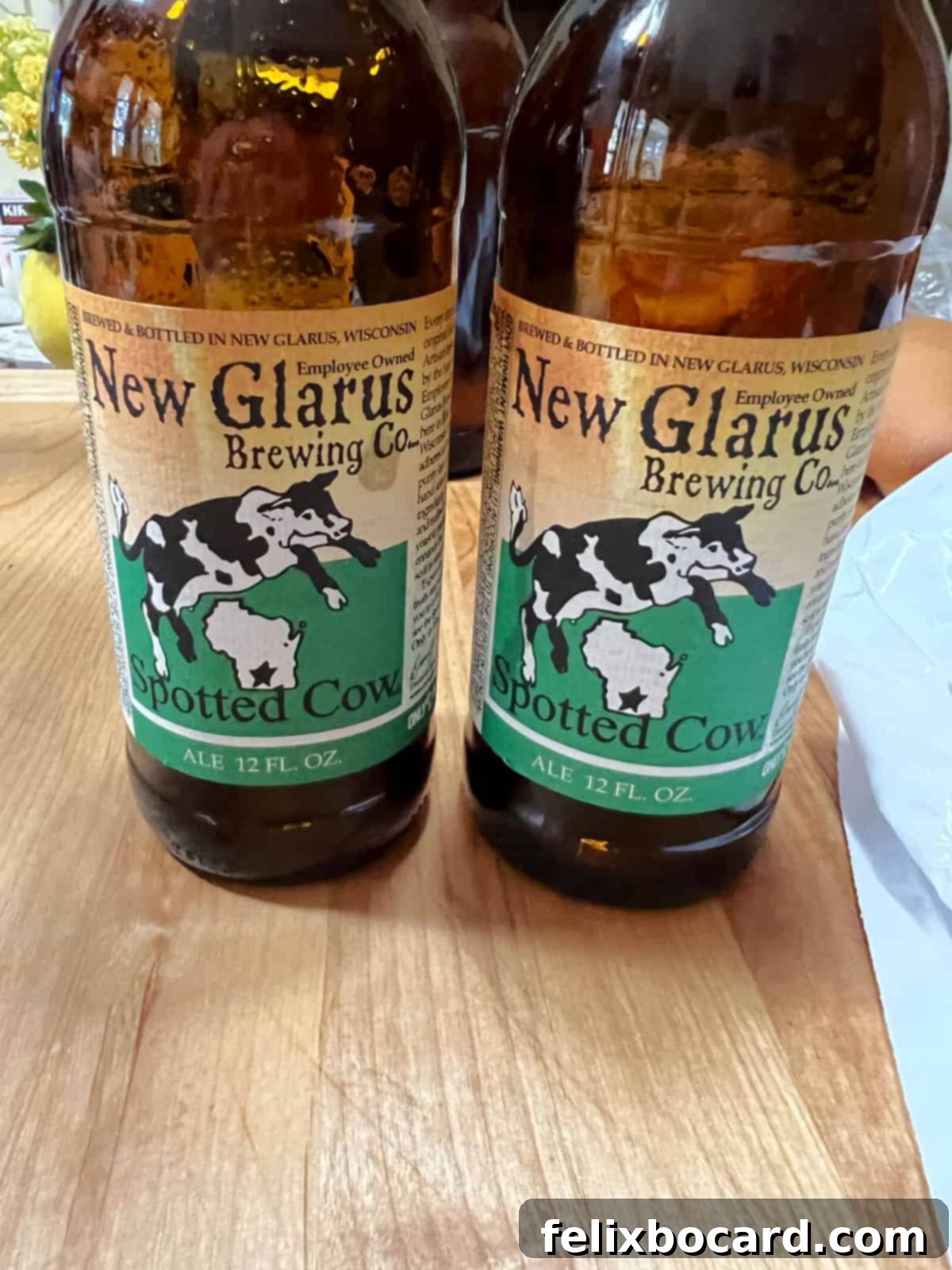
The choice of beer is crucial, as it will deeply flavor your brats. While any beer can technically be used, traditional Wisconsin beer brats often call for a good quality lager, pilsner, or a mild amber ale. These beer types offer a balanced flavor profile that enhances the pork without overpowering it. They provide a subtle sweetness and malty depth that infuses beautifully into the sausage. Avoid overly hoppy IPAs, strong stouts, or overly fruity beers, as their robust or distinct flavors can clash with the delicate notes of the bratwurst. For a truly authentic experience, a local Wisconsin brew, such as New Glarus Spotted Cow, truly adds to the regional charm!
Onions and Other Aromatics
A simple yellow or white onion, sliced into thick rings and added to the beer bath, contributes a subtle sweetness and aromatic depth. As the brats simmer, the onions soften and absorb the beer, becoming a delicious, flavorful topping option later on. This not only enhances the brats but also creates a wonderful condiment. While beer and onions are the classic pairing, you can also experiment with a bay leaf, a few black peppercorns, or a smashed clove of garlic to the beer bath for an extra layer of complexity, though purists often stick to just beer and onions to let the bratwurst shine.
Remember, the full detailed recipe with precise measurements can be found in the recipe card below, but understanding the role of each ingredient helps you appreciate this culinary tradition even more and allows for confident customization.
Step-by-Step: How to Boil Brats in Beer the Wisconsin Way
Mastering the beer bath is the first and most critical step in preparing truly authentic Wisconsin bratwurst. This process is straightforward, but a few key details ensure perfect results every time. Follow these steps for tender, flavorful brats ready for their final sear.
- Prepare the Beer Bath: Begin by pouring your chosen beer into a large pot or saucepan. It’s important to use a pot large enough to comfortably accommodate all the brats and ensure they are fully submerged. A good rule of thumb is to have at least 3 bottles (or around 36 ounces) of beer for a pound of bratwurst. Next, slice one yellow or white onion into thick rings and add them directly to the pot with the beer. The onions will soften and infuse the beer, becoming a delicious accompaniment.
- Bring to a Gentle Boil: Place the pot on your stovetop over medium to medium-high heat and bring the beer to a gentle, rolling boil. You want to see consistent bubbling, but avoid a vigorous, overflowing boil that might cause the beer to evaporate too quickly or scorch.
- Add the Brats and Cook: Carefully place the raw bratwurst into the boiling beer using tongs. Ensure they are fully submerged in the liquid. At this point, you have two excellent, equally effective options for cooking them in the beer:
- Option 1 (Simmer Method): Reduce the heat to a low simmer and let the brats cook gently for 10-15 minutes. This method ensures consistent cooking and allows the brats to slowly absorb the beer’s rich flavors.
- Option 2 (Walk-Away Method): For maximum tenderness and flexibility, cover the pot tightly with a lid and turn off the heat entirely. Allow the brats to slow-cook in the residual heat of the hot liquid. This passive cooking method is incredibly forgiving and results in incredibly juicy and tender sausages.
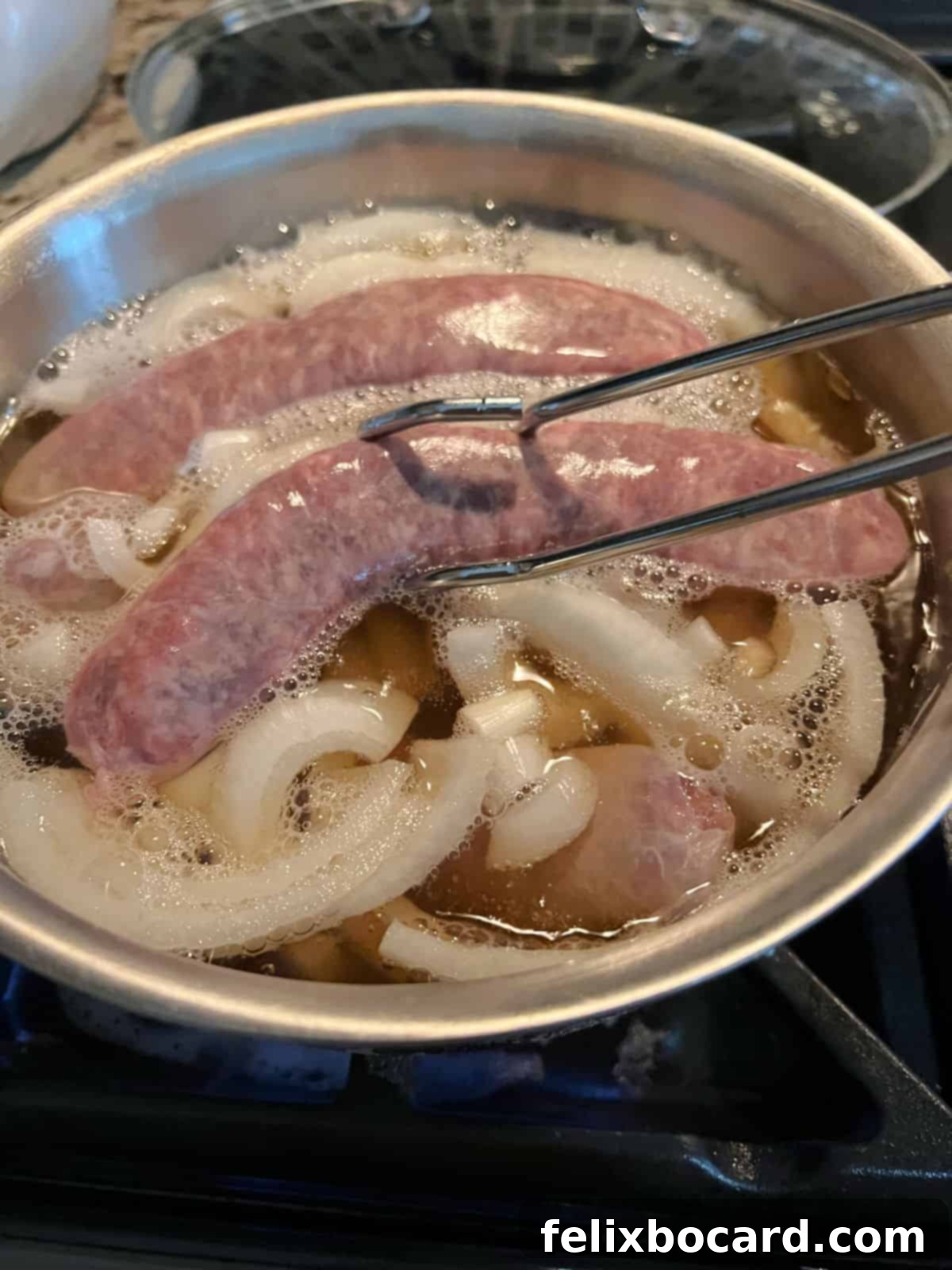
- Leveraging the “Walk-Away” Advantage: I personally favor the covered, heat-off method, especially when cooking for a crowd or juggling multiple dishes. It offers unparalleled flexibility in your cooking schedule. While 15-20 minutes is the minimum time needed for the brats to be sufficiently par-cooked, leaving them in the hot liquid for up to an hour (or even slightly longer, keeping the pot covered to retain heat) is perfectly fine and often results in even more tender and flavorful brats. This means you can get the brats started well in advance of grilling, freeing you up to prepare other dishes, set the table, or socialize with guests without stress.
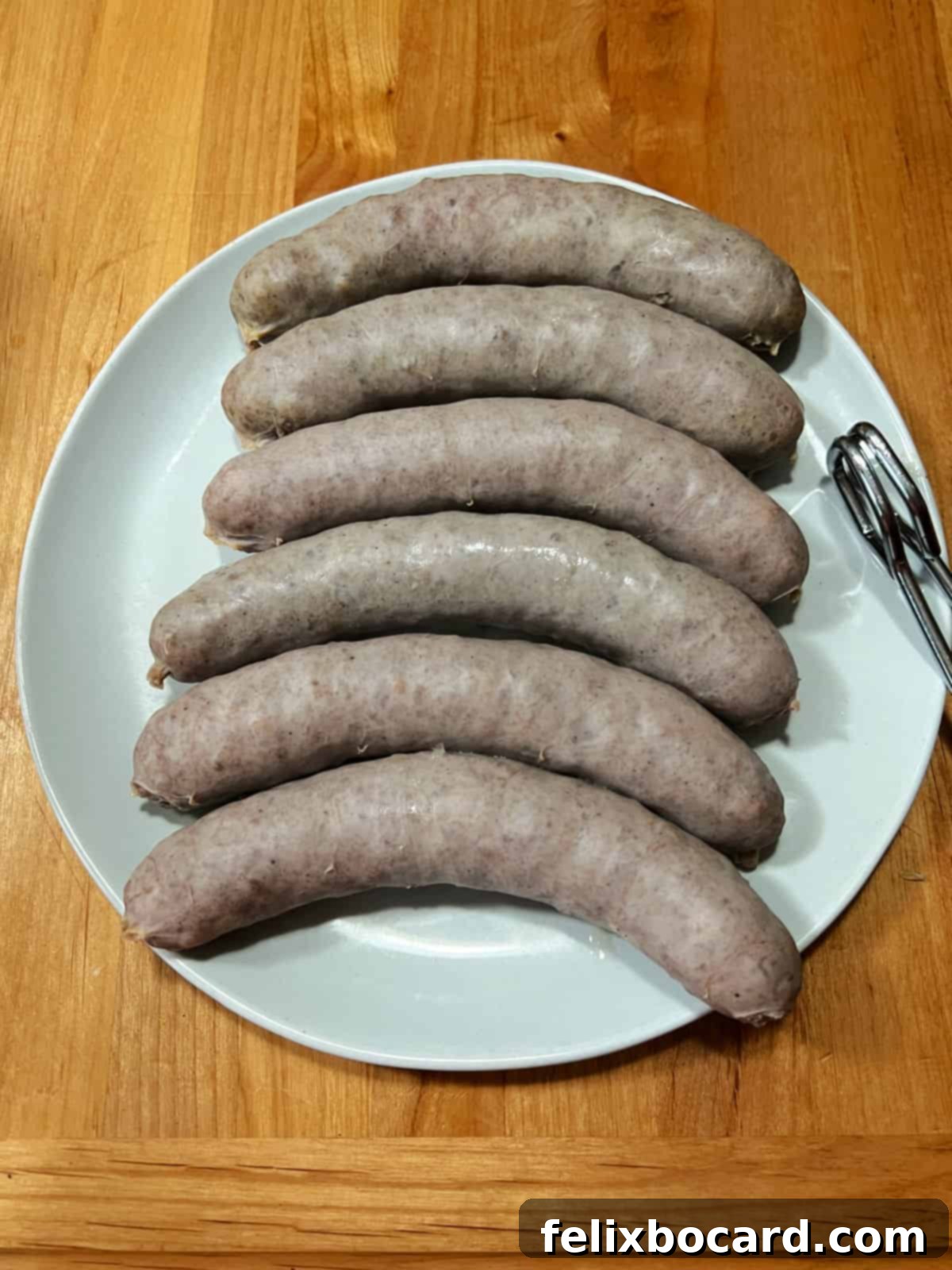
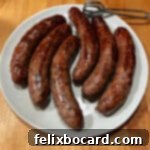
- Prepare for Grilling: Once your brats have enjoyed their beer bath and you’re ready to finish cooking, carefully remove them from the liquid using a pair of tongs. Place them on a plate for easy transport to your grill. You’ll notice they are now plump and slightly greyish-brown – don’t worry, the beautiful browning and crispy texture come next! This step ensures they are ready for their final transformation on the grill, where they’ll develop that irresistible, perfectly charred skin and concentrated flavor. Remember to reserve the beer-soaked onions if you plan to use them as a topping!
How to Achieve the Perfect Sear: Grilling Beer Brats on a Gas Grill
The beer bath has done the heavy lifting, ensuring your brats are cooked through and wonderfully tender. Now comes the exciting part: developing that irresistible, crispy, browned skin that makes a grilled brat truly exceptional. Grilling after boiling is quick and focuses purely on creating a delicious exterior and finishing the cooking process with a smoky flavor.
Start by preheating your gas grill to a medium heat setting. This typically means aiming for grill grate temperatures between 350-400°F (175-200°C). Once the grates are hot and clean, and you observe a light smoke, it’s time to carefully place your parboiled brats directly onto the grill. Arrange them evenly to allow for consistent cooking and browning without overcrowding the grill.
The key to even browning and preventing charring is frequent turning. I recommend turning the brats approximately every 2 to 3 minutes. This continuous rotation ensures all sides of the sausage come into contact with the hot grates, allowing them to brown beautifully and form that delightful, slightly crispy skin everyone loves. Keep a close eye on them, as grill temperatures can fluctuate, and you want to achieve a golden-brown finish, not a burnt one.

As you grill, you might notice some “hot spots” on your grill where certain brats are browning faster than others. Don’t hesitate to move the brats around, rotating them from hotter to cooler areas, to help even things out. This ensures every brat achieves that perfect golden-brown finish without any undesirable burnt spots. After about 10-15 minutes of grilling, your brats will be perfectly cooked, boasting a gorgeous exterior and a juicy, flavorful interior. They’re now ready to be served on a bun with your favorite toppings and enjoyed immediately!
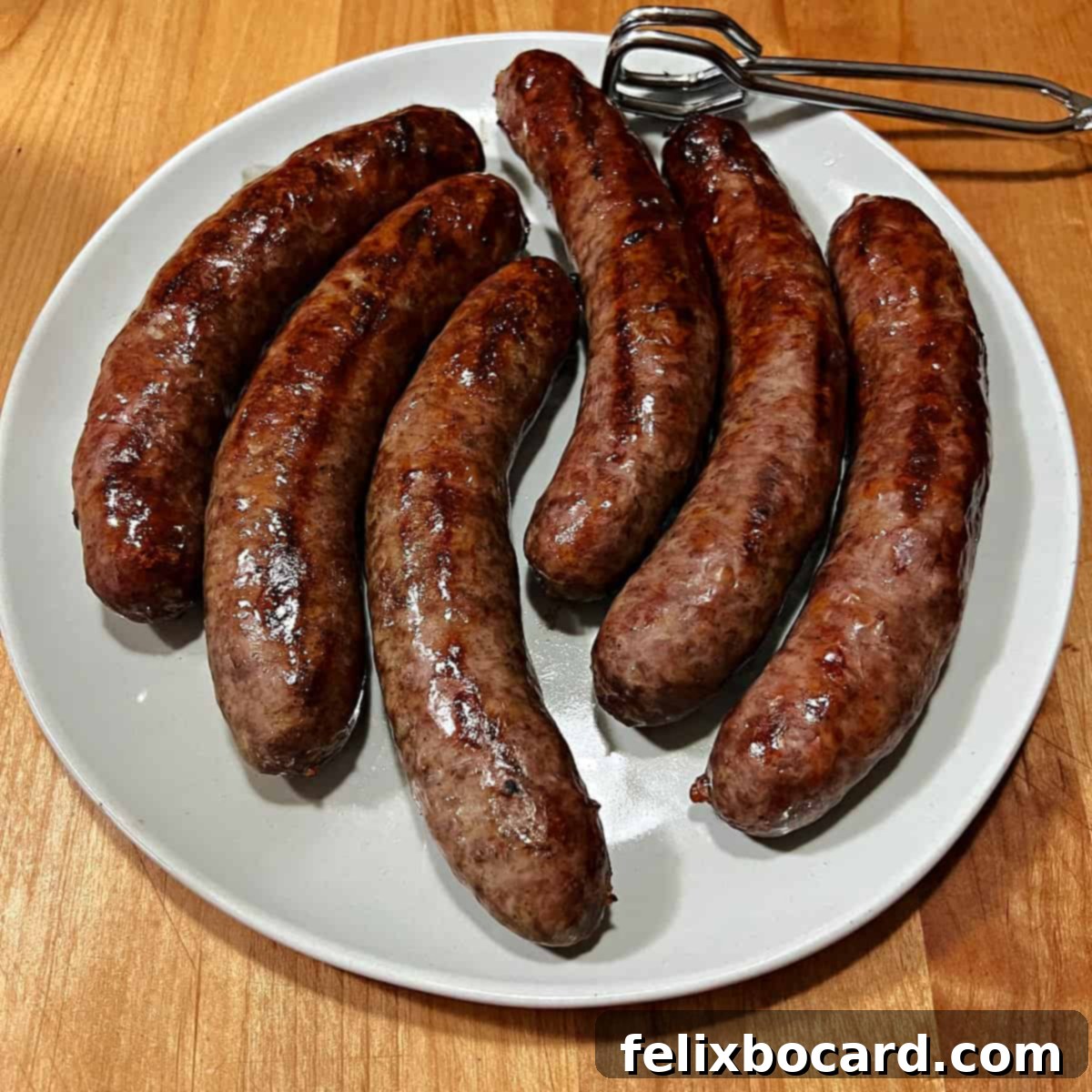
After approximately 10-15 minutes on the grill, your beer-boiled brats will be perfectly cooked through, exhibiting a delightful crispness and a rich, inviting aroma. Their golden-brown crust will be a testament to the Wisconsin tradition, signaling they are ready to be savored.

No Grill, No Problem: Cooking Beer Brats on a Stove
Don’t let inclement weather or the lack of an outdoor grill stop you from enjoying delicious Wisconsin-style beer brats. The stovetop is an excellent alternative for finishing your beer-boiled bratwurst, allowing you to achieve a beautiful sear and crispy exterior right in your kitchen. This method is especially handy during colder months, apartment living, or when a spontaneous craving strikes.
First, ensure your brats have gone through the initial beer-boiling steps outlined above to ensure they are tender and infused with flavor. Once they’ve had their beer bath, carefully remove them from the liquid. Next, preheat a heavy-bottomed frying pan or a cast-iron griddle over medium to medium-high heat. Cast iron is particularly effective as it retains heat exceptionally well and provides a fantastic, even sear, closely mimicking the effects of a grill.
Once your pan is hot, add the parboiled brats, ensuring not to overcrowd the pan. Cook them, turning frequently with tongs, until all sides are evenly browned and have developed a desirable, slightly crispy crust. This typically takes about 8-12 minutes, depending on your pan and heat level. Just like on the grill, the goal here is primarily to achieve that appealing golden-brown color and a satisfying texture, as the brats are already cooked through internally. Serve them immediately on buns with your favorite toppings and enjoy the same great taste, sans the outdoor grilling experience!
Love your air fryer? For those chilly winter months, or simply for ultimate convenience, air fryer brats are a fantastic option! Check out my detailed guide on how to make them crispy and delicious in your air fryer without any pre-boiling required.
Exploring Variations for Your Beer-Boiled Brats
While traditional pork bratwurst boiled in beer is a beloved classic, the beauty of this cooking method lies in its incredible versatility. You can easily adapt the recipe to explore different flavors, accommodate various dietary preferences, or simply to try something new. Don’t hesitate to experiment with the type of sausage and the kind of beer to discover your perfect combination for any occasion.
Alternative Sausage Choices
Beyond traditional pork, there’s a world of sausages waiting to be infused with beer. The beer bath method works wonderfully with various sausage types, each offering a unique twist on the classic:
- Chicken or Turkey Brats: For a leaner or lighter option without sacrificing flavor, opt for uncooked chicken or turkey sausages. They absorb the beer’s essence beautifully and remain incredibly moist and tender. Be mindful that leaner meats may cook slightly faster, so adjust simmering times accordingly.
- Spicy Brats: If you enjoy a kick, try using spicy Italian sausages, jalapeño-cheddar brats, or even a spicy chicken sausage. The beer bath will slightly temper some of the heat while enhancing the overall flavor complexity, creating a dynamic and exciting taste experience.
- Vegetarian Bratwurst: Plant-based bratwurst varieties have come a long way in terms of taste and texture, often mimicking their meat counterparts quite convincingly. Boiling vegetarian brats in beer infuses them with savory notes, making them a fantastic meatless alternative that still offers that authentic “brat” experience for everyone to enjoy.
Experimenting with Beer Types
The type of beer you choose profoundly impacts the final flavor of your brats, offering a broad spectrum of possibilities. While light lagers and pilsners are traditional choices for their crispness, don’t shy away from these delicious alternatives:
- Amber Ales: These offer a slightly sweeter, maltier profile than lighter lagers, adding a rich, subtle caramel note to the brats. They pair wonderfully with pork, bringing out its natural richness.
- Wheat Beers (Weissbier/Hefeweizen): Known for their refreshing, fruity, and sometimes spicy notes (like banana or clove), these can impart a unique, bright flavor to the sausage. They are particularly good with chicken or turkey brats for a lighter taste.
- Dark Lagers or Bocks: For a deeper, more robust, and complex flavor, try a dark lager or a bock beer. These can add hints of roasted malt, chocolate, or a slightly nutty undertone, pairing exceptionally well with heartier pork brats and providing a richer finish.
- Hard Cider: While not technically beer, a dry or semi-dry hard cider can be a delightful, slightly sweeter, and fruitier alternative for boiling brats. It offers a non-hoppy flavor profile that can be wonderfully refreshing, especially during warmer months.
The core cooking method remains consistent across these variations, allowing you to confidently explore and customize your beer brat experience to suit any palate, dietary preference, or special occasion.
The Perfect Pairing: Serving Your Beer-Boiled Brats
Once your beer-boiled and grilled brats are ready, the final step is arguably the most fun: assembling and serving them! The foundation of a great brat experience starts with the bun, but the toppings are where personal preference truly shines. In Wisconsin, there are beloved traditions, but don’t be afraid to customize and make it your own.
Choosing the Right Bun
Traditionally, a proper bratwurst is served on a “brat bun,” which is essentially a wider, sturdier version of a hot dog bun, specifically designed to comfortably hold the substantial sausage and its generous toppings. However, if authentic brat buns aren’t readily available, regular hot dog buns will do just fine. My top tip for any bun choice? Invest in good quality, fresh bakery buns. A fresh, soft, and slightly chewy bun can significantly elevate the entire eating experience, providing the perfect textural contrast to the juicy, crisp-skinned brat.
Classic Wisconsin Toppings
With all the incredible flavor infused by the beer bath, your brats might not need much, but a few classic toppings are practically mandatory for an authentic Wisconsin experience. These pairings enhance the bratwurst without overpowering its rich taste:
- Beer-Soaked Onions: Do not discard those onions from your beer bath! They’ve absorbed all the delicious beer and brat flavors, becoming wonderfully soft, sweet, and aromatic. A generous spoonful of these warm, tender onions is a quintessential Wisconsin topping that adds both flavor and texture.
- Stone Ground Mustard: This is non-negotiable for many Wisconsin natives. The tangy, slightly spicy kick of stone-ground mustard perfectly complements the rich, savory flavors of the bratwurst. Its coarse texture also adds a delightful mouthfeel and a zesty contrast.
- Sauerkraut: As a sharp-eyed reader wisely pointed out, sauerkraut is a fantastic addition! Its fermented tanginess provides a vibrant counterpoint to the savory sausage, cutting through the richness and adding a layer of complex flavor that’s both traditional and deeply satisfying.
- Pickles/Relish: While not as common as the above, a good dill pickle spear on the side or a dollop of sweet pickle relish can add a refreshing crunch and a different kind of tang, offering a burst of freshness.
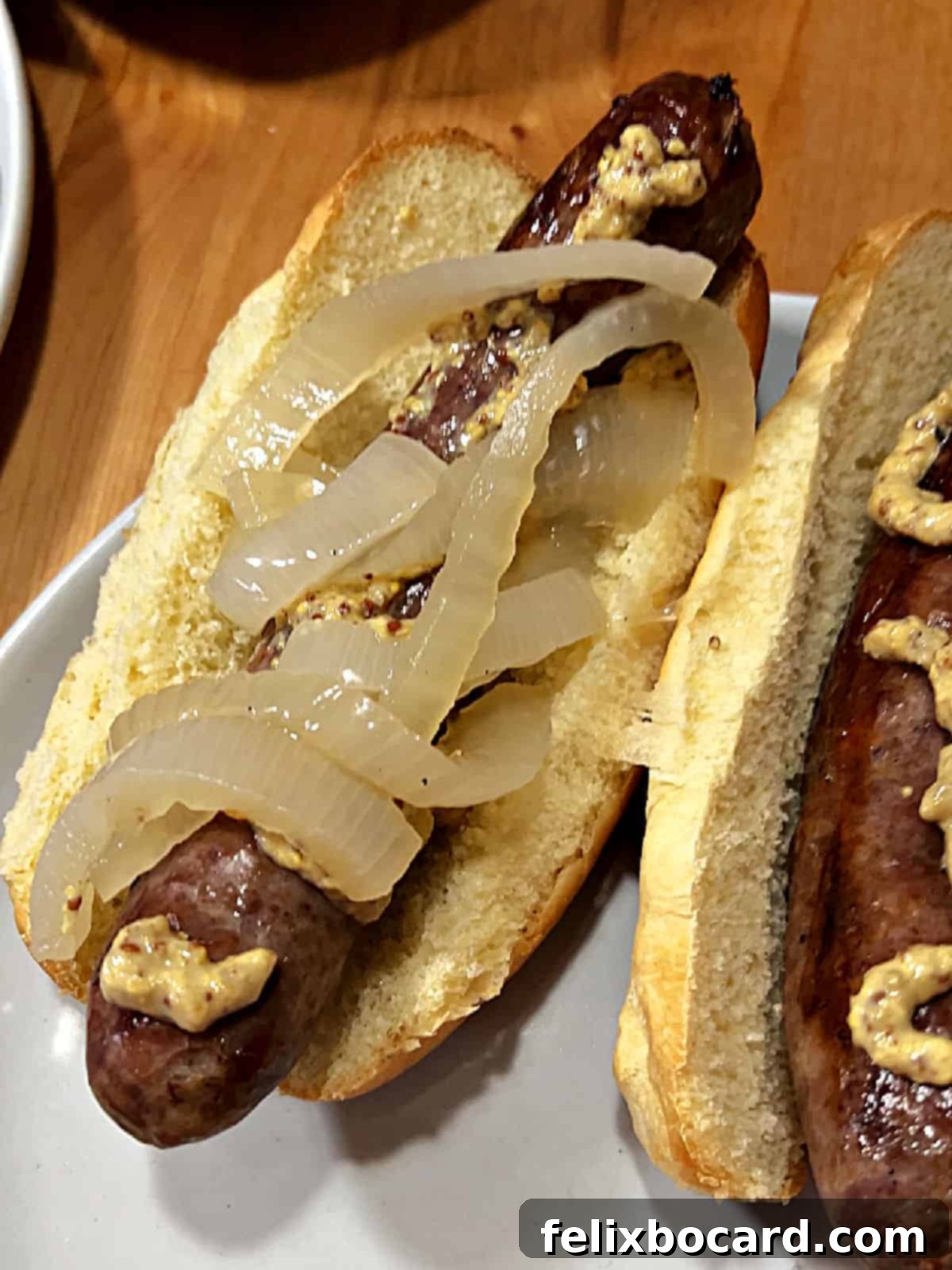
While some purists might frown upon ketchup on a brat, I firmly believe that if you’ve taken the time and care to cook your bratwurst the authentic Wisconsin-style way, you’ve earned the right to dress it up however you like! Enjoy your brat exactly how you love it, without judgment.
Perfect Side Dishes
To complete your Wisconsin beer brat meal, pair it with classic, comforting sides that complement the rich flavors of the bratwurst beautifully. These dishes enhance the overall experience, creating a well-rounded and satisfying feast:
- Classic Potato Salad: Creamy, tangy potato salad is a timeless and comforting companion to grilled meats, offering a delicious textural contrast.
- Slow Cooker Baked Beans: Sweet and savory baked beans offer a hearty contrast and a rich, warm element that pairs wonderfully with brats.
- Creamy Coleslaw: A crisp, refreshing coleslaw provides a nice crunch and a lighter, tangy element that balances the richness of the sausage.
- Grilled Corn on the Cob: During summer, fresh grilled corn, lightly buttered and seasoned, is an unbeatable seasonal side that adds a touch of sweetness.
- German Potato Salad: For an even more authentic pairing, a warm German potato salad, made with a vinegar-based dressing, offers a delightful tang.
Whether it’s a casual backyard cookout or a festive gathering, these beer-boiled brats are guaranteed to be a crowd-pleaser and a true taste of Wisconsin tradition, making every bite a celebration.
How to Store and Repurpose Leftover Beer-Boiled Brats
It’s rare to have leftover beer-boiled brats, given how delicious they are, but if you do, proper storage and reheating are key to enjoying them again. Moreover, these flavorful sausages are wonderfully versatile and can be transformed into exciting new meals, making them worth cooking a few extra on purpose!
Storing Leftovers
To keep cooked bratwurst fresh, allow them to cool completely to room temperature before transferring them to an airtight container. Store them in the refrigerator, where they will remain fresh and delicious for 3-4 days. For longer storage, cooked brats can be frozen for up to 2-3 months. Wrap them tightly individually in plastic wrap or foil, then place them in a freezer-safe bag or container to prevent freezer burn.
Reheating Instructions
When you’re ready to enjoy your leftover brats, reheating them gently is essential to prevent them from drying out or becoming rubbery. You have a few excellent options:
- Stovetop: Place the brats in a skillet with a splash of water or beer (about 1/4 cup) over low to medium-low heat. Cover the skillet and steam gently until heated through, approximately 5-7 minutes. You can then uncover them and brown them slightly if desired for a crispier exterior.
- Grill: If you’re firing up the grill again, place leftover brats over indirect, medium-low heat. Turn them occasionally until warmed through, about 5-10 minutes, being careful not to overcook.
- Oven: Preheat your oven to 300°F (150°C). Place the brats on a baking sheet, cover loosely with foil to retain moisture, and heat for 15-20 minutes, or until warmed through to your liking.
- Air Fryer: For a quick and crispy reheat, place brats in a preheated air fryer at 350°F (175°C) for 5-8 minutes, turning halfway, until hot and slightly crisped.
Avoid microwaving, as it can often make the brats rubbery and compromise their delicious texture.
Creative Repurposing Ideas
Leftover beer brats are a chef’s delight, offering a flavorful foundation for various exciting and easy dishes:
- Brat and Pepper Stir-fry: Slice the cooked brats into rounds and sauté them with colorful bell peppers, onions, and your favorite stir-fry sauce for a quick and savory meal.
- Brat Hash: Dice the brats and combine them with cooked potatoes, onions, and peppers for a hearty breakfast or brunch hash, perfect with a fried egg on top.
- Brat Sandwiches or Wraps: Thinly slice them and use them in sandwiches with melted cheese, caramelized onions, or in wraps with fresh greens and a zesty dressing.
- Brat and Beer Cheese Soup: Dice brats and add them to a creamy beer cheese soup for a hearty, flavorful twist.
- Cheesy Brat Stew: Transform your leftovers into a comforting and hearty meal with my cheesy brat stew recipe. It’s so good, you might just intentionally cook extra brats next time, just to make this stew!
With these practical tips, your delicious Wisconsin beer brats can be enjoyed in many forms, ensuring no flavorful bite ever goes to waste.
Frequently Asked Questions About Beer Brats
What’s the best beer for brats?
While personal preference certainly plays a role, lagers and amber ales are traditionally preferred for their balanced flavors that complement pork bratwurst without overpowering it. A light pilsner offers a crisp finish, and a mild wheat beer can also be an excellent choice if you want subtle fruity notes. The key is to avoid overly strong or bitter beers that might clash. Experiment with different local Wisconsin beers to find your favorite blend of authentic taste!
Can I use non-alcoholic beer?
Absolutely! If you prefer to avoid alcohol or have dietary restrictions, non-alcoholic beer is a perfectly suitable substitute. It will still provide the desired flavor infusion and contribute significantly to the tenderizing process, ensuring your brats are juicy and delicious. The subtle malty notes and aromatic qualities will still come through beautifully, giving you all the benefits without the alcohol.
Do the brats have to be browned after boiling?
The browning step after boiling serves two crucial purposes. First, while the beer bath largely cooks the brats, the subsequent grilling or pan-frying step ensures they reach a safe internal temperature (at least 160°F or 71°C) and provides a final cook, especially important for raw sausages. Secondly, and just as important for flavor and enjoyment, browning adds an incredible depth of flavor and texture. The high heat creates a beautiful, caramelized crust on the exterior, adding a satisfying crispy chew and rich, savory notes that are essential for a truly outstanding bratwurst. Don’t skip this step – those extra few minutes make all the difference in achieving that irresistible finish!
What kind of bratwurst should I buy?
For the most authentic and flavorful experience, look for fresh, uncooked pork bratwurst. Many local butchers offer their own traditional recipes, which are often excellent. If purchasing from a grocery store, choose a reputable brand that specializes in quality sausages. It’s important to avoid “smoked” or “precooked” brats for this recipe, as their flavor profile and texture are different, and they won’t benefit as much from the beer bath process.
Can I prepare the beer bath in advance?
Yes, you can prepare the beer and onion mixture a few hours ahead of time and keep it covered in the refrigerator. However, it’s best to add the brats to the beer bath just before you plan to par-boil them, rather than letting them sit raw in the cold beer for extended periods. Once boiled, you can keep the cooked brats warm in the beer liquid on very low heat until you’re ready to grill them, making it a convenient option for entertaining.
Can I boil brats in other liquids?
While beer is traditional and highly recommended for its flavor contribution, you can certainly experiment with other liquids. Chicken broth, apple cider, or even a mixture of water and a dash of liquid smoke can be used to par-boil brats. However, the unique maltiness and slight bitterness of beer truly create the signature Wisconsin brat flavor.
📖 Recipe: Wisconsin Beer Brats
Rating: 5 out of 5 stars (Based on 24 votes)
Print Recipe
Pin it!
Boiling Brats in Beer
In Wisconsin, we boil our bratwurst in beer. Take one taste, and you’ll understand why! This method ensures juicy, flavorful brats with a perfect grilled finish.
Prep Time: 15 minutes
Cook Time: 15 minutes
Total Time: 30 minutes
Course: Main Course
Cuisine: American
Servings: 5 to 6
Calories: 311 kcal
Author: Sula
Ingredients
- 1 pound bratwurst (usually 5-6 sausages)
- 1 large yellow or white onion, sliced
- 3 bottles (approx. 36 oz) beer (enough to immerse brats, preferably a lager or amber ale)
Instructions
- Pour the beer into a large pot or saucepan. Ensure there’s enough beer to fully immerse the brats. Begin warming the beer over medium heat.
- Slice the onion into rings and add it to the beer in the pot.
- Once the beer reaches a gentle boil, carefully add the bratwurst to the pot.
- Cook the brats in the beer using one of these methods: either simmer for 10-15 minutes, or cover the pot, turn off the heat, and allow them to rest in the hot liquid for at least 20 minutes (up to an hour for more flexibility).
- Remove the parboiled brats from the liquid and place them on a plate. You can reserve the cooked onions for topping later.
- Preheat your gas grill to medium heat. Once hot, place the parboiled brats on the grill grates. Cook, turning frequently (every 2-3 minutes), until all sides are nicely browned and a crispy crust forms. This typically takes about 10-15 minutes.
- Remove the brats from the grill and serve immediately on buns with the reserved beer-soaked onions, stone ground mustard, and other desired toppings like sauerkraut.
Notes
Buns and additional toppings are not included in the nutrition estimate. For best results, choose a good quality, fresh pork bratwurst and a balanced beer like a lager or amber ale.
Nutrition
Calories: 311kcal | Carbohydrates: 5g | Protein: 13g | Fat: 27g | Saturated Fat: 9g | Polyunsaturated Fat: 2g | Monounsaturated Fat: 13g | Cholesterol: 67mg | Sodium: 768mg | Potassium: 348mg | Fiber: 0.4g | Sugar: 1g | Vitamin A: 6IU | Vitamin C: 2mg | Calcium: 30mg | Iron: 1mg
Nutrition values are estimates only, calculated using online tools. Please verify with your own data for accuracy.