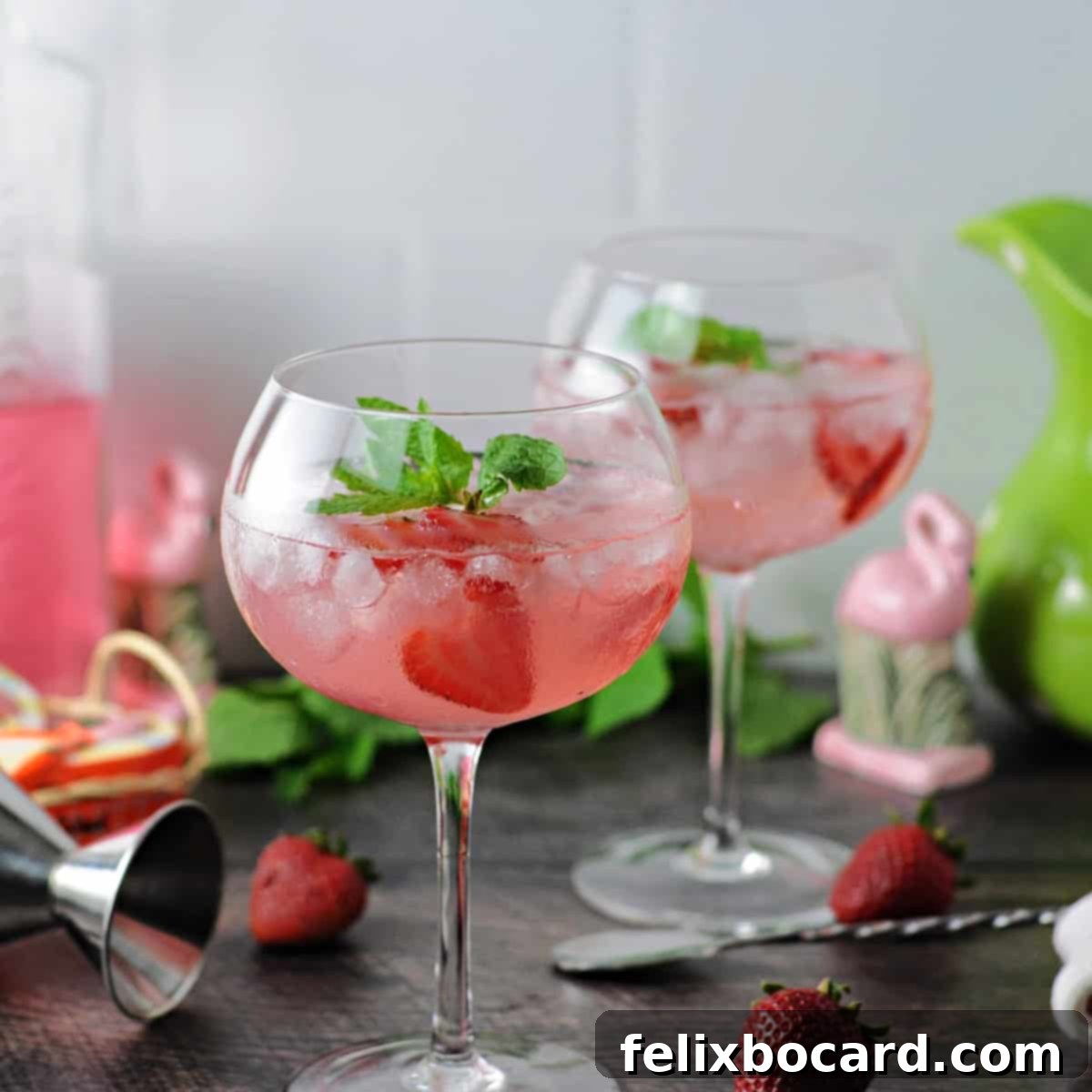
The Ultimate Guide to Pink Gin and Tonic: 3 Refreshing Ways to Elevate Your Summer Sips
As the sun bathes us in its warm glow and the days stretch longer, there’s an undeniable craving for drinks that are light, vibrant, and utterly refreshing. It’s a sentiment shared by many, and for good reason! When the temperatures rise, our palates seek out crisp, zesty flavors that can cool and invigorate. Among the pantheon of classic summer cocktails, the Gin & Tonic reigns supreme, celebrated for its distinctly bright and herbaceous profile, complemented by lively citrus notes and the satisfyingly bittersweet embrace of tonic.
But what if we could enhance this timeless favorite with a touch of visual charm and a subtle shift in flavor? This desire led me on a delightful quest to explore the world of the pink gin and tonic. What I quickly discovered was that this “pretty in pink” twist isn’t a one-size-fits-all concoction. Instead, it offers a spectrum of possibilities, each bringing its own unique character to the glass. This realization only amplified my excitement, prompting a deep dive into the art and science of crafting the perfect pink G&T.
Prepare to be enchanted by a drink that’s not just a feast for the taste buds but also a treat for the eyes. The pink gin and tonic is more than just a cocktail; it’s a statement, a mood, and a perfect companion for those lazy summer afternoons or elegant evening gatherings. Let’s explore how to bring this beautiful beverage to life in three distinct and equally delicious ways.
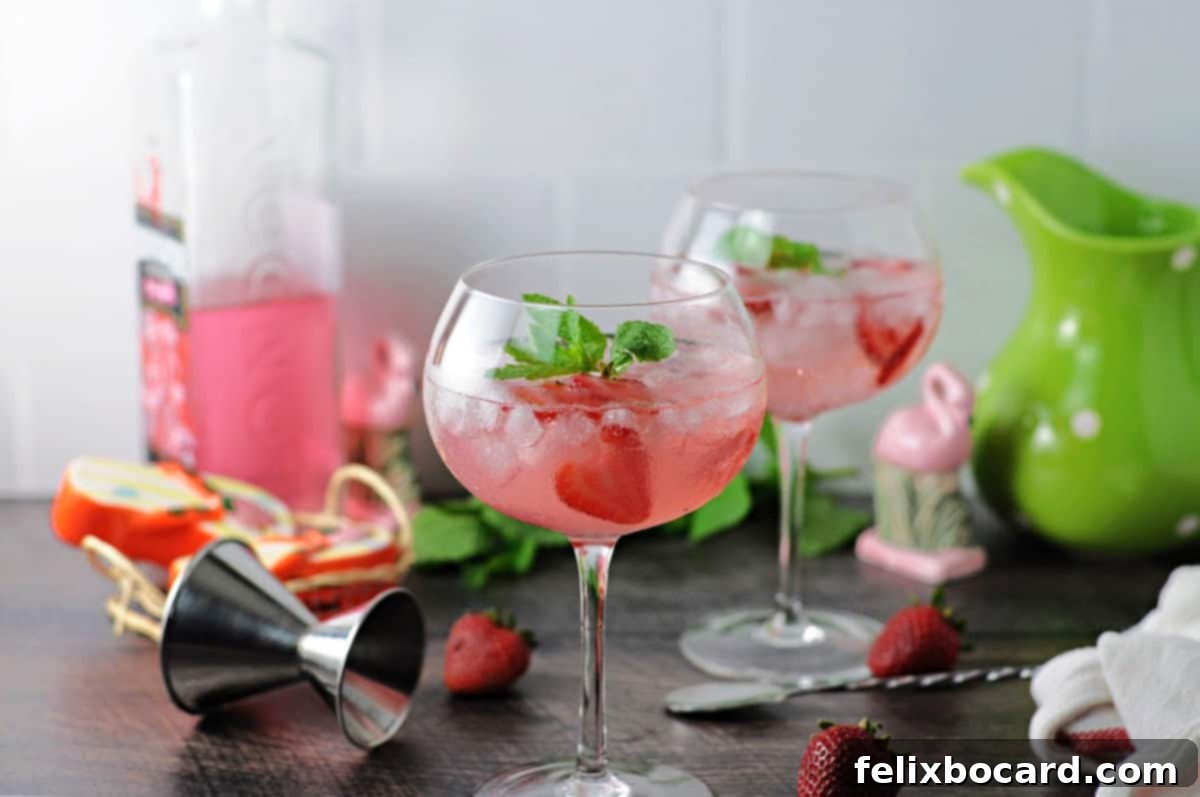
Dive into the vibrant world of pink gin and tonic with our comprehensive guide. Whether you’re a seasoned gin lover or new to the spirit, you’ll discover creative ways to enjoy this visually stunning and delicious cocktail.
The Fascinating Origins of the Gin and Tonic
On the surface, the gin and tonic seems straightforward: combine gin with tonic water. But beneath its simple facade lies a rich and rather intriguing history, deeply intertwined with colonial medicine and military ingenuity. To truly appreciate this iconic cocktail, it’s worth a moment to delve into its surprising origins.
The story begins in the 17th century with the discovery of quinine, a bitter compound derived from the bark of the cinchona tree, found to be highly effective in treating and preventing malaria. Fast forward to the 19th century, when the British Empire extended its reach across vast swathes of the globe, including India. British soldiers and civilians stationed in India faced a relentless adversary: malaria. To combat this deadly disease, they were administered quinine. However, the raw quinine was intensely bitter, making it exceptionally unpleasant to consume.
Necessity, as they say, is the mother of invention. To make their daily dose of quinine more palatable, the ingenious Brits began dissolving it in carbonated water, sugar, and lime – thus creating an early form of tonic water. But even with these additions, the bitterness often persisted. Enter gin, a spirit already popular in England. Soldiers and officers discovered that adding a splash of gin to their quinine-laced tonic water not only masked the bitterness entirely but also created a surprisingly delicious and refreshing beverage. What began as a medicinal necessity quickly evolved into a popular social drink, enjoyed for its flavor rather than its pharmaceutical properties. This serendipitous pairing gave birth to the classic Gin and Tonic we know and love today.
While modern tonic water still contains trace amounts of quinine, it’s primarily used for flavor rather than its anti-malarial properties. Today, the world of tonic water is incredibly diverse. You’ll find a wide array of brands, each offering unique flavor profiles – from crisp and dry to floral and citrusy. This variety means that if you’ve ever dismissed the G&T, perhaps you just haven’t found the tonic water that suits your preference. Exploring different brands can transform your experience and reveal a whole new dimension to this classic drink.
The Allure of Pink: Why This Trend Is Here to Stay
Beyond its refreshing taste, the pink gin and tonic captivates with its undeniable visual appeal. In an age dominated by social media, a beautifully presented drink is as important as its flavor. The delicate blush hue of a pink G&T makes it inherently photogenic, instantly adding a touch of elegance and festivity to any occasion. It’s a drink that screams summer, celebration, and sophisticated fun.
But the charm of pink goes beyond aesthetics. The rise of pink gins and pink-inspired cocktails also speaks to an evolving palate. Many pink gins are infused with natural fruit flavors such as strawberry, raspberry, or red berries, often alongside subtle floral notes like rose. These additions lend the gin a slightly sweeter, fruitier, and often smoother profile, making it incredibly approachable for those who might find traditional gin a bit too juniper-forward or botanical. This gentler introduction to gin has opened the door for a wider audience to discover and enjoy the spirit, transforming perceptions and expanding the cocktail landscape.
The versatility in achieving that signature pink color further adds to its appeal. Whether through the simple addition of aromatic bitters, the use of a pre-flavored pink gin, or by incorporating fruity mixers like pink lemonade, there are multiple avenues to tailor the drink to individual tastes and occasions. This flexibility ensures that the pink gin and tonic is not just a passing fad but a beloved staple for its beauty, accessibility, and delightful flavor variations.
Essential Ingredients for Your Perfect Pink Gin & Tonic
Crafting an exceptional pink gin and tonic begins with selecting the right ingredients. While the concept is simple, the quality and type of each component will significantly impact the final flavor and presentation of your drink. Here’s a detailed look at what you’ll need:
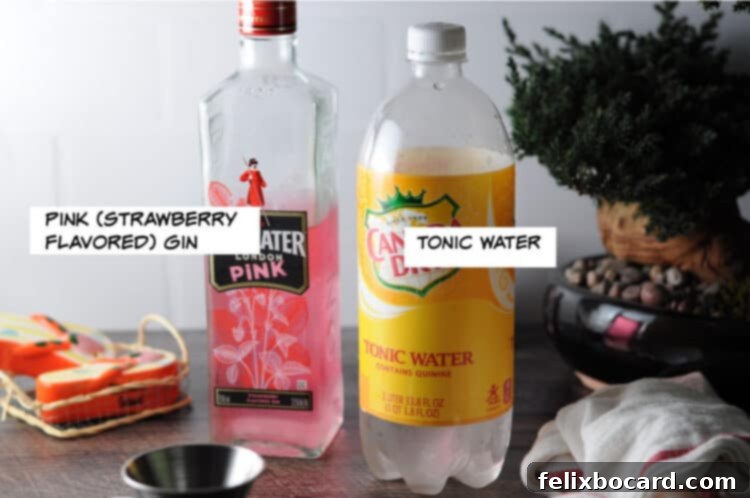
The Gin: Regular, Pink, or Flavored?
- Regular Gin: If you prefer a more traditional gin flavor with botanical notes, you can absolutely start with a standard London Dry or a more modern, less juniper-forward gin. The pink hue will then come from other additions, like bitters or pink lemonade.
- Pink Gin: This is the star for a naturally pink G&T. Pink gins are typically infused with red fruits like strawberries, raspberries, redcurrants, or sometimes rose petals. Popular brands include Gordon’s Pink Gin, Malfy Gin Rosa, and Whitley Neill Raspberry Gin. These gins offer a delightful sweetness and fruitiness that can soften the classic gin profile, making them very approachable.
Tonic Water: The Perfect Partner
The choice of tonic water is crucial. It’s not just a mixer; it’s half the drink! Different tonic waters offer varying levels of sweetness and bitterness, as well as distinct botanical notes. Experiment to find your favorite:
- Indian Tonic Water: The most common type, offering a balanced bittersweet profile.
- Mediterranean Tonic Water: Often lighter, with herbaceous notes like rosemary and thyme, perfect for floral or citrusy gins.
- Aromatic Tonic Water: Can have a slightly pink hue itself, with spicy and exotic botanical notes.
- Light Tonic Water: For those seeking less sugar, without sacrificing flavor.
Consider brands like Fever-Tree, East Imperial, Fentimans, or Q Tonic for premium experiences.
Bitters: For Depth and a Subtle Hue
Angostura Bitters are a traditional way to introduce a subtle pink tint to your G&T, along with complex aromatic notes of spices and herbs. Just a few dashes can transform the drink, adding depth and a beautiful, understated blush.
Fresh Citrus and Garnishes: The Finishing Touch
Garnishes aren’t just for show; they enhance the aroma and flavor of your cocktail. For a pink G&T, consider:
- Lime or Lemon Slices/Wedges: Classic G&T garnishes that provide essential acidity and zest.
- Fresh Berries: Sliced strawberries, whole raspberries, or blueberries complement the fruitiness of pink gins.
- Herbs: A sprig of fresh mint or rosemary can add an aromatic counterpoint to the sweetness.
- Pink Grapefruit: A slice of pink grapefruit can add a beautiful color contrast and a tangy, slightly bitter note.
Ice: Keep it Chilled, Not Diluted
High-quality ice is essential. Use large, solid ice cubes or spheres that melt slowly, chilling your drink without excessive dilution. The more ice you use, paradoxically, the slower it melts.
With these components in mind, you’re ready to embark on your pink gin and tonic crafting journey!
How to Craft Your Perfect Pink Gin and Tonic: 3 Delightful Methods
The beauty of the pink gin and tonic lies in its adaptability. There isn’t just one right way to achieve that beautiful blush and refreshing taste. Here, I’ll guide you through three distinct methods, each offering a unique approach to this beloved cocktail, ensuring there’s a perfect pink G&T for every preference.
Method 1: The Traditional Bitters Approach (Subtle & Aromatic)
This is the original way to impart a pinkish hue to a gin and tonic, relying on the magic of aromatic bitters. It’s a method that adds complexity and a sophisticated, understated color.
- Prepare Your Glass: Start with a tall glass, such as a highball or a Collins glass. Fill it generously with large, fresh ice cubes.
- Add Gin: Pour 1.5 to 2 ounces of your favorite classic gin over the ice. A good quality London Dry gin works beautifully here.
- Introduce Bitters: Add 4-5 dashes of Angostura Bitters directly into the gin. Watch as the rich, reddish-brown liquid slowly dissipates, creating a subtle, almost “dirty peach” or light amber tint.
- Optional Lime: Squeeze in a quarter-ounce of fresh lime juice. This adds a crucial layer of tartness that brightens the drink and balances the gin’s botanicals and the tonic’s bitterness.
- Top with Tonic: Gently top the mixture with 4-5 ounces of your preferred tonic water. Stir gently, just once or twice, to combine the ingredients without losing too much fizz.
- Garnish: A wedge of lime or a sprig of fresh mint makes an excellent garnish, contrasting beautifully with the drink’s soft color.
The bitters don’t just add color; they introduce a medley of warming spices and herbal notes, transforming the G&T into a more aromatic and complex experience. While not a vibrant pink, its rustic charm is truly appealing, especially in dimly lit settings where its unique shade can truly shine.
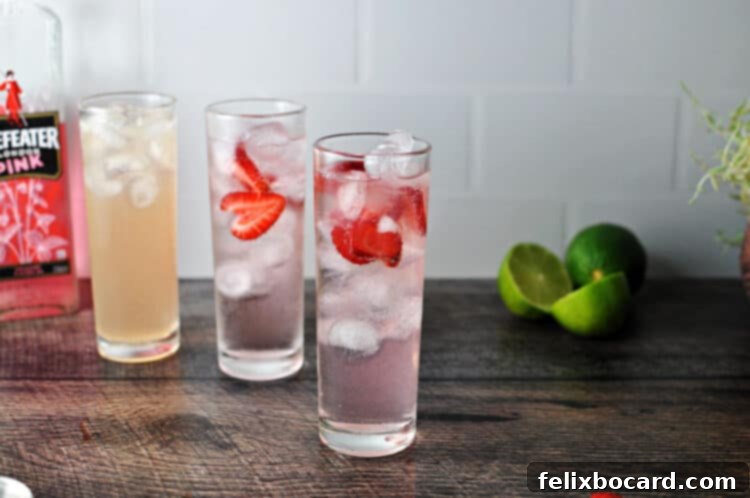
Method 2: The Modern Pink Gin Approach (Effortless & Visually Striking)
This method leverages the popularity of pre-flavored pink gins, offering the most straightforward path to a truly pink drink. Just as flavored vodkas once dominated the spirits market, flavored gins, particularly pink ones, have carved out a significant niche. These gins typically feature infusions of strawberry, raspberry, or red berries, often resulting in a gin that is not only beautifully colored but also sweeter and fruitier than its traditional counterparts. This makes them an excellent choice for those new to gin or who prefer a sweeter cocktail profile.
- Chill Your Glass: For the best experience, use a tall Collins glass or, for a more elegant touch that enhances aromatics, a large balloon-style wine glass (also known as a copa glass). Fill it generously with ice.
- Pour Pink Gin: Measure out 1.5 to 2 ounces of your chosen pink gin and pour it over the ice. The gin itself will provide that lovely pink hue.
- Add Tonic Water: Gently top with 4-5 ounces of tonic water. A classic Indian tonic or a light tonic works well here, allowing the gin’s flavor to shine.
- Garnish Simply: The beauty of this drink often lies in its simplicity. Garnish with a few fresh strawberry slices or whole raspberries. A sprig of mint can also add a fresh, aromatic contrast.
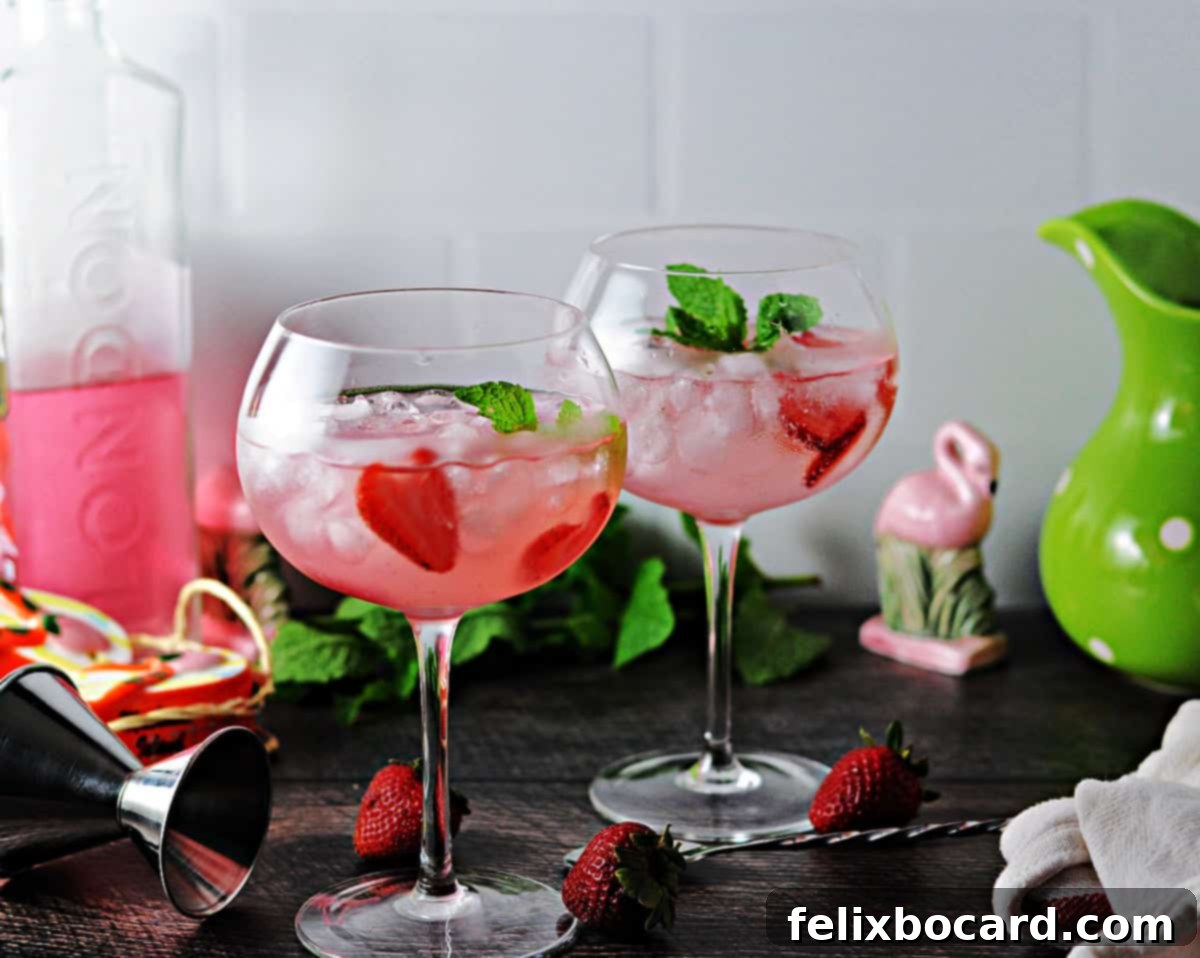
This method produces a visually stunning and deliciously fruit-forward cocktail with minimal effort. The natural sweetness of the pink gin makes it incredibly approachable, making it a crowd-pleaser for any summer gathering.
Method 3: The Pink Lemonade Boost (Sweet, Tangy & Extra Fruity)
For those who love an extra layer of sweetness, tang, and an even more pronounced pink color, this variation combines the best of Method 2 with a splash of everyone’s favorite summer drink: pink lemonade. This method results in a cocktail that is intensely refreshing, slightly sweeter, and bursts with citrusy berry flavors.
- Prepare Your Glass: Again, a tall Collins glass or a balloon glass is ideal. Fill it generously with ice.
- Combine Gin and Lemonade: Pour 1.5 to 2 ounces of pink gin over the ice. Then, add 1 ounce of good quality pink lemonade. This instantly deepens the pink color and introduces a lovely sweet-tart component.
- Top with Tonic: Finish by topping with 3-4 ounces of tonic water. You might use slightly less tonic here than in other methods to keep the balance with the lemonade.
- Stir Gently: Give it a very gentle stir to blend the layers without flattening the bubbles.
- Garnish Creatively: This vibrant drink deserves an equally appealing garnish. A slice of fresh lime or a wedge of lemon provides a tart counterpoint and a contrasting green hue. I personally love combining fresh strawberries with a sprig of mint, as the herbaceous mint perfectly complements the sweet berry notes, elevating both the aroma and the flavor of the drink.
This “triple pink” approach yields a delightfully sweet, wonderfully tangy, and exceptionally vibrant pink gin and tonic. It’s perfect for those who enjoy their cocktails on the sweeter side, with an extra pop of fruity zest that truly embodies the spirit of summer.
Expert Tips for Elevating Your Pink Gin & Tonic
While the basic construction of a G&T is simple, a few expert tips can transform a good drink into an exceptional one. Pay attention to these details for a truly elevated pink gin and tonic experience:
The Perfect Gin to Tonic Ratio
The ideal ratio of gin to tonic is highly subjective and depends on your personal preference, the strength of your gin, and the specific tonic water you’re using. Generally, most G&Ts are mixed within a 1:1 to 1:3 ratio of gin to tonic. For a stronger drink, lean towards 1:1 or 1:2. If you prefer a lighter, more refreshing beverage where the tonic plays a starring role, a 1:3 ratio works well. Don’t be afraid to experiment to find your personal sweet spot. Always taste as you go!
Choosing Your Tonic Water Wisely
As mentioned, not all tonic waters are created equal. The nuances in their bitterness, sweetness, and botanical profiles can dramatically alter your drink. For a classic G&T, a crisp Indian tonic is often preferred. For pink gins, consider a Mediterranean tonic that might have complementary floral or citrus notes, or even an Aromatic tonic for an extra layer of spice. Avoid overly sweet tonics if your pink gin is already quite sweet; balance is key.
The Importance of Quality Ice
This cannot be stressed enough: use plenty of good quality ice. Large, dense ice cubes or spheres melt slower than small, quickly dissolving chips. This means your drink stays colder for longer without becoming watered down, preserving its intended flavor profile. Always use fresh ice straight from the freezer, not ice that has absorbed odors from other foods.
Garnish with Purpose
Garnishes are more than just decoration; they contribute aroma and flavor. A squeeze of lime or lemon adds essential acidity. Fresh berries complement the fruity notes of pink gin. Herbs like mint or rosemary introduce a herbaceous or floral counterpoint. Consider the flavor profile you want to highlight and choose your garnish accordingly. For instance, a sprig of mint with strawberry-infused gin is a classic pairing.
Glassware Matters More Than You Think
While a gin and tonic can be served in almost any glass, the choice of glassware can enhance the drinking experience. Traditionalists often opt for a highball or rocks glass. However, for a pink gin and tonic, especially those made with aromatic pink gins, a balloon-style wine glass (also known as a “copa de balon”) is often recommended. Its wide bowl allows for plenty of ice and garnishes, while the narrow rim helps to concentrate the aromas of the gin and tonic, enhancing the overall sensory experience. Plus, it beautifully showcases the drink’s appealing pink color!
Frequently Asked Questions About Pink Gin and Tonic
The ‘correct’ proportion is largely a matter of personal preference, but generally, G&Ts are mixed with a ratio ranging from 1:1 to 1:3 parts gin to tonic. A 1:2 ratio is often considered standard for a well-balanced drink. Factors like the strength and flavor profile of your gin, and whether you’re adding other mixers, will influence this. Feel free to experiment to find what you enjoy most. A typical garnish is a slice or wedge of lime.
While the historical origins of tonic water are rooted in the fight against malaria, modern tonic water contains only trace amounts of quinine. These levels are far too low to be effective in preventing or treating malaria today. So, while you might enjoy the thought of your gin and tonic serving a medicinal purpose, it’s primarily a delightful beverage to be savored for its taste!
Traditionally, a gin and tonic is served in a highball glass or a rocks glass. However, for modern G&T variations, especially aromatic ones or those with plenty of garnish like our pink versions, a large balloon-shaped wine glass (known as a “copa glass” or “copa de balon”) is often preferred. Its wide bowl allows for ample ice and garnishes, while the tapered rim helps to capture and direct the aromas. Ultimately, while the shape of the balloon glass helps to highlight the beautiful pink color and enhance the sensory experience, they all drink the same – so choose what you enjoy most!
Pink gin typically gets its color and often its flavor from infusions of red fruits such as strawberries, raspberries, redcurrants, or sometimes even rose petals. These natural botanicals are added during the distillation or steeping process, lending the gin its characteristic hue and a generally sweeter, fruitier taste profile compared to traditional gins.
Absolutely! As demonstrated in Method 1, you can use traditional gin and achieve a pink tint by adding a few dashes of Angostura bitters. Alternatively, you can introduce pinkness and fruity flavor by adding a splash of red fruit juice (like cranberry or raspberry), a berry syrup, or pink lemonade to your regular gin and tonic.
Discover More Refreshing Pink Cocktails
If you’ve fallen in love with the vibrant charm and delicious flavors of the pink gin and tonic, there’s a whole world of other pink-hued concoctions waiting to be explored. The addition of lemonade to my G&T variations proved so delightful that I highly recommend trying a dedicated Pink Gin & Lemonade cocktail for maximum summertime refreshment. It’s simple, zesty, and utterly perfect for warm days.
And since you might already have that fantastic pink lemonade on hand, why not venture into making a tantalizing Pink Senorita? This festive drink often combines tequila with citrus and a touch of sweetness, making for a lively and memorable cocktail that’s perfect for entertaining.
For those seeking a truly exotic and visually stunning shade of pink, a dragon fruit cocktail will always turn heads. The vibrant magenta flesh of the dragon fruit creates an intensely colorful drink with a subtly sweet flavor profile, guaranteed to impress. And for a similarly stunning and uniquely flavored cocktail, be sure to check out my prickly pear margarita for an amazing blend of earthy sweetness and eye-catching hue!
Embrace the pink trend and let your cocktail adventures lead you to a spectrum of delightful and colorful sips!
Pink Gin & Tonic Recipe

Pink Gin & Tonic
3 mins
0 mins
3 mins
Drinks
American
1
98
kcal
Sula
Ingredients
- 1 ½ ounces pink gin (strawberry flavored)
- 4 – 5 ounces tonic water
- Optional: 1 ounce pink lemonade
- Sliced strawberry – to garnish
Instructions
- Half fill a tall or balloon-shaped glass with ice. Pour in the gin.
- Add strawberry slices and more ice. Add pink lemonade if desired for extra sweetness and color.
- Top with tonic water and serve immediately.
Notes
Nutrition
Calories:
98
kcal
|
Sodium:
54
mg
|
Potassium:
6
mg
|
Calcium:
13
mg
|
Iron:
1
mg
Nutrition values are estimates only, calculated using online tools. Please verify using your own data for accuracy.