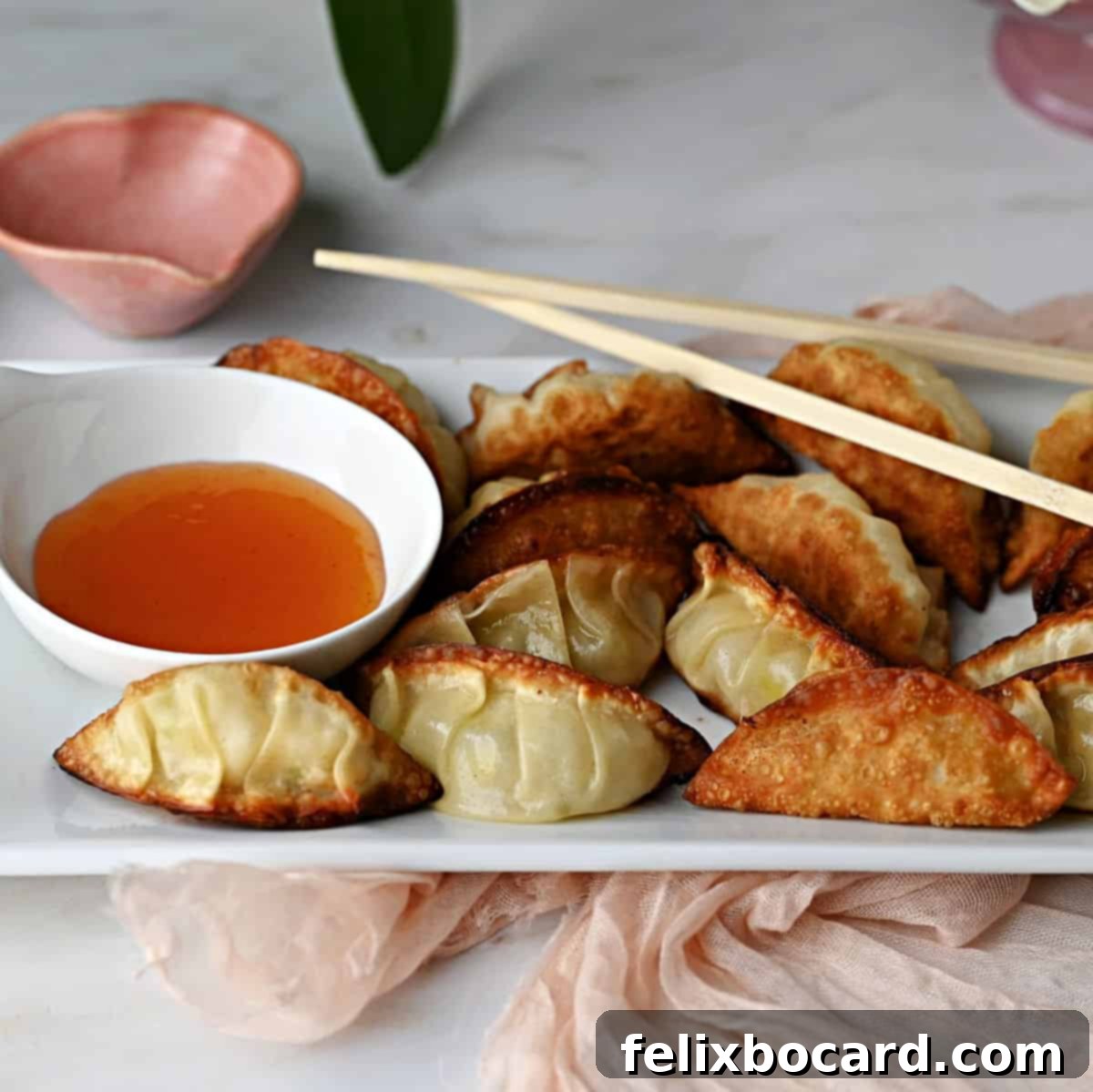
There’s an undeniable joy that comes from recreating beloved Chinese takeout dishes in your own kitchen. For over four decades, I’ve found immense satisfaction in mastering these flavors, especially when I have complete control over every ingredient. This pursuit led me to perfect these incredibly delicious homemade potstickers, a delightful twist inspired by my widely popular egg roll recipe.
Imagine a juicy, flavorful filling, reminiscent of the best egg rolls, encased in a delicate yet sturdy wrapper. Now picture that dumpling perfectly cooked: a golden, irresistibly crispy bottom paired with a tender, chewy top and a succulent interior. That’s the magic of these Chinese dumplings, and once you taste them, store-bought simply won’t compare.
Many home cooks find the idea of making dumplings from scratch intimidating, but I’m here to assure you that homemade potstickers are surprisingly easy to master. This comprehensive guide will walk you through each step, from preparing your filling to forming and cooking these delectable parcels. With a little practice, you’ll be crafting restaurant-quality potstickers that will impress everyone at your table.
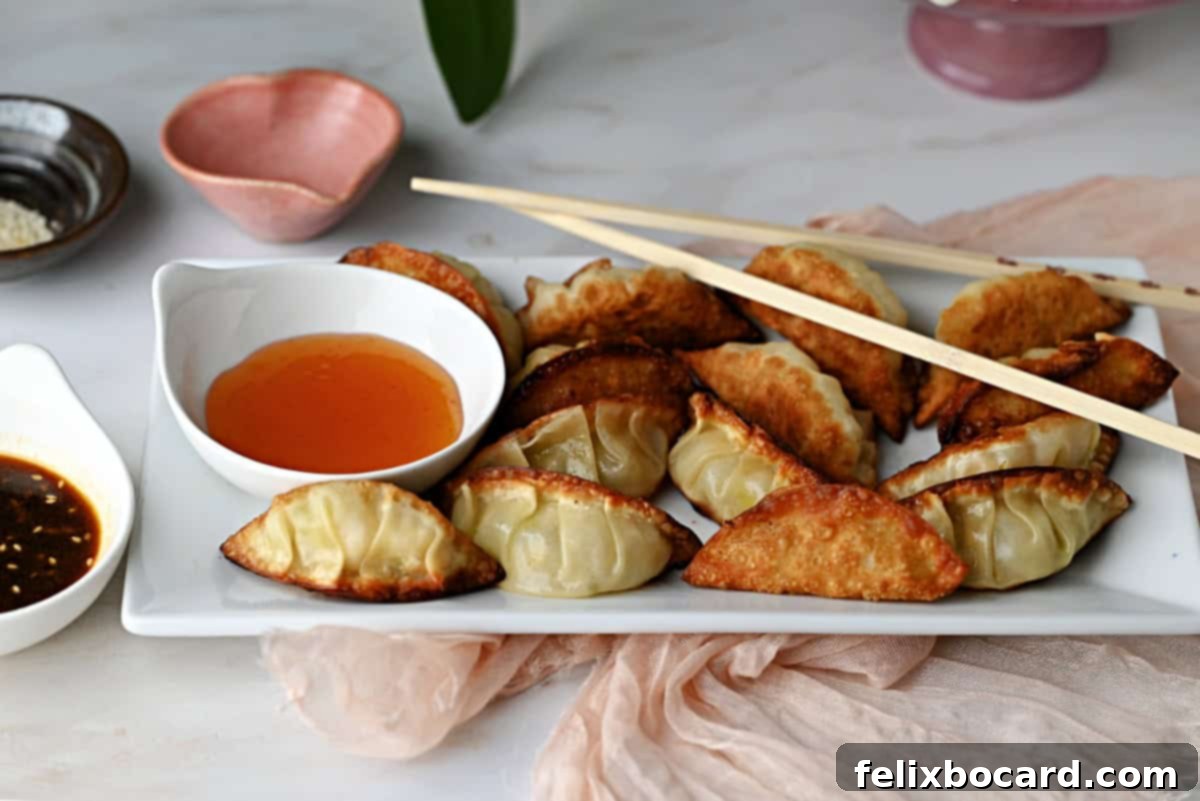
What Exactly are Potstickers? The Origin of a Crispy Delight
Potstickers are a quintessential type of Chinese dumpling, renowned for their distinctive cooking method that combines frying and steaming. The name “potsticker” itself hints at their origins. Legend has it that a chef inadvertently invented them when he left his dumplings unattended in a pan for too long, causing them to stick and crisp up on the bottom. What could have been a culinary mishap turned into a stroke of genius, as the fried dough was discovered to be incredibly delicious!
Typically, potstickers are filled with a savory mixture of finely minced meat (often pork or chicken) and various vegetables like cabbage, ginger, and green onions. They are then served with a flavorful dipping sauce, creating a harmonious balance of textures and tastes: the crispy base, the soft steamed top, and the moist, seasoned filling.
Potstickers vs. Dumplings: Understanding the Delicious Distinction
While all potstickers are indeed dumplings, it’s crucial to understand that not all dumplings are potstickers. The term “dumpling” is a broad culinary category that encompasses a vast array of dishes found in cuisines around the globe. Generally, a dumpling involves a piece of dough, which may or may not be wrapped around a filling. Dumplings can be prepared in numerous ways, including boiling, steaming, frying, or baking, and they manifest in diverse forms such as Italian ravioli, Polish pierogi, Korean mandu, Japanese gyoza, and even American chicken and dumplings.
Potstickers, or “Guo Tie” (锅贴) in Mandarin, are a specific type of Chinese dumpling characterized by their unique preparation. The traditional method involves pan-frying one side of the dumpling until it achieves a beautifully golden-brown and crispy texture. Immediately after, a small amount of water is added to the pan, and it’s quickly covered, allowing the dumplings to steam. This dual cooking process results in the signature potsticker texture: a wonderfully crispy bottom, a tender and chewy upper dough, and a perfectly cooked, juicy filling. This combination of frying for texture and steaming for thorough cooking is what truly sets potstickers apart from other dumplings, which might be solely steamed or boiled.
Crafting Your Potsticker Filling: The Art of Repurposing & Flavor
One of the most appealing aspects of making homemade potstickers is the flexibility with the filling. In my kitchen, I embrace simplicity and sustainability, often turning to delicious leftovers as my primary potsticker filling. This not only makes the process incredibly easy but also transforms last night’s meal into an exciting new dish.
If you don’t have suitable leftovers on hand or prefer to make a filling from scratch, consider my Egg Roll recipe or the Vegetarian Egg Roll in a Bowl recipe. Both have served as fantastic foundations for potsticker fillings with tremendous success. For meat lovers, plain leftover pork roast works exceptionally well, as does cooked chicken. The key to any successful potsticker filling, especially when using leftovers, is to mince it uniformly into very small pieces. This finer consistency ensures easier dumpling formation and a more pleasant texture when eaten.
While the choice of filling is yours, here are some popular ideas to inspire you:
- Classic Pork & Cabbage: A timeless favorite. Combine ground pork with finely shredded Napa cabbage, ginger, garlic, soy sauce, sesame oil, and a touch of rice wine vinegar.
- Chicken & Mushroom: A lighter option with ground chicken, shiitake mushrooms, water chestnuts, and green onions.
- Shrimp & Chive: For seafood enthusiasts, finely chopped shrimp with chives, ginger, and a hint of white pepper makes a vibrant filling.
- Vegetarian Delight: Tofu or tempeh crumbled and seasoned, mixed with finely diced carrots, celery, bell peppers, and spinach.
Beyond the filling, you’ll need potsticker wrappers, readily available in most Asian markets or the international aisle of your local grocery store. Look for round wrappers, as they are traditionally used for potstickers. Ensure you have a good quality oil for frying, such as peanut or canola oil, and of course, water for sealing and steaming. By focusing on the wrapper and the cooking technique, you can truly make these potstickers with whatever flavorful filling you discover in your fridge!
Mastering the Art of Potstickers: A Step-by-Step Guide
Making homemade potstickers is a rewarding culinary adventure. The process is straightforward, and with a little practice, you’ll be forming perfect dumplings in no time. Let’s dive into how to create these delightful Chinese pan-fried dumplings.
Forming Your Chinese Dumplings: Two Simple Methods
Whether you’re aiming for traditional aesthetics or maximum efficiency, there are two excellent ways to seal your potstickers. Before you begin, remember a fundamental rule of working with wrappers: moisten the edges! Just like with egg rolls, applying a little water around the circumference of the wrapper helps create a secure seal when the dough comes into contact with itself.
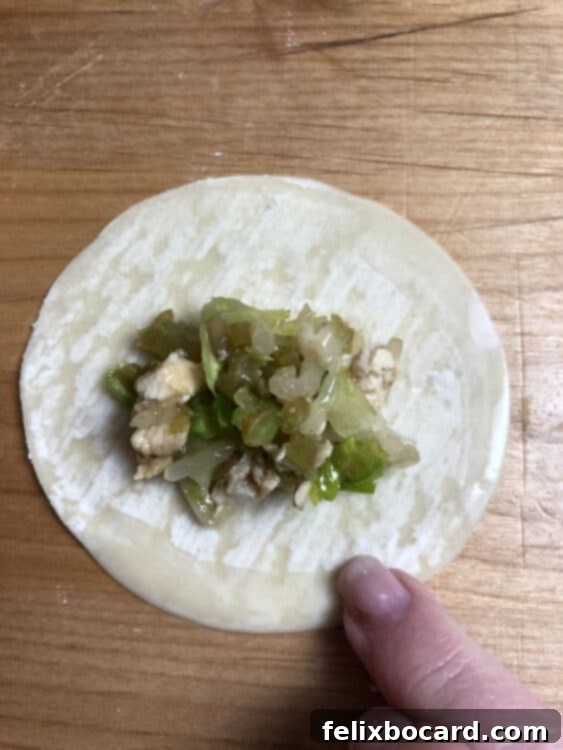
To start, lay a single round potsticker wrapper flat on your work surface. Dip your finger in a small bowl of water and lightly moisten the entire edge of the wrapper. Next, place about a tablespoon of your prepared filling directly in the center of the wrapper. Be careful not to overfill, as this can make sealing difficult and may cause the dumpling to burst during cooking.
Now, let’s explore the two primary methods for shaping your dumplings:
Method 1: The Traditional Pleated Seal
The pleated method is the classic way to form Chinese dumplings, resulting in a beautiful, artistic crimped edge. While it takes a bit more finesse and time, the aesthetic appeal is well worth the effort for special occasions or when you simply want to enjoy the meditative process of dumpling making.
To execute the pleating technique, first, fold the wrapper in half over the filling, creating a crescent moon shape. Lightly press the top edges together, just at the very center, to join them.
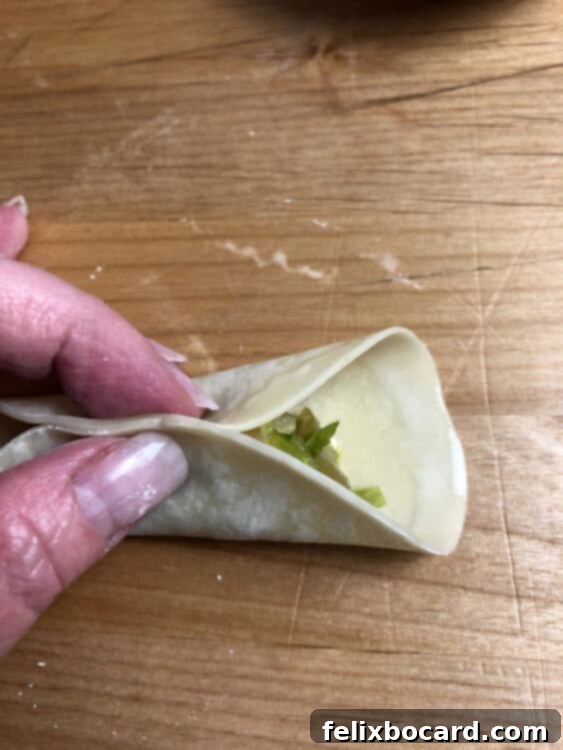
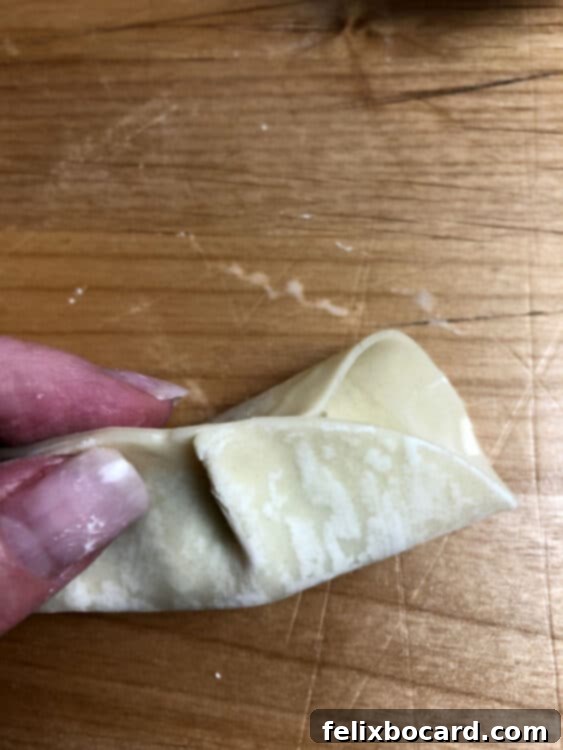
Next, starting from one end of the semicircular edge, create a small fold, or pleat, in the edge of the wrapper closest to you. Pinch this pleat tightly against the back layer of the wrapper.
Continue this process, making small, overlapping pleats along the entire curved edge of the dumpling, always pinching each pleat securely against the back layer. Work your way to the other end until the wrapper is completely sealed. This method not only looks elegant but also creates a robust seal that prevents filling from escaping during cooking.
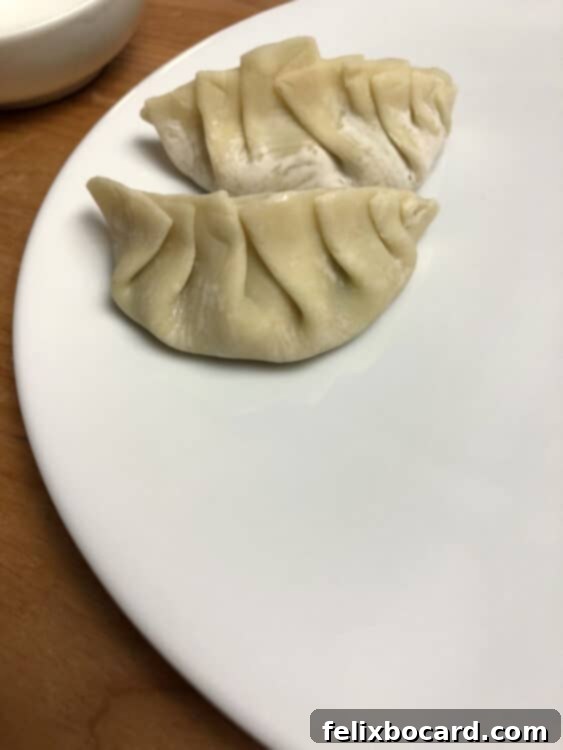
Repeat this pleating technique for the remaining dumplings. While it may feel a bit intricate at first, like any craft, practice makes perfect. Don’t be discouraged by imperfect dumplings—they’ll still taste amazing!
Method 2: The Simple Fork Seal (Beginner-Friendly)
If you’re new to dumpling making, short on time, or simply prefer a less fussy approach, the fork-sealing method is a fantastic alternative. It’s much faster and equally effective at creating a secure seal, saving you any potential blood pressure spikes (haha!).
Begin this method exactly the same way: moisten the edge of the wrapper with water and place a tablespoon of filling in the center. Then, fold the wrapper over the filling to create a half-moon shape, pressing the edges together lightly with your fingers to ensure the two sides meet.
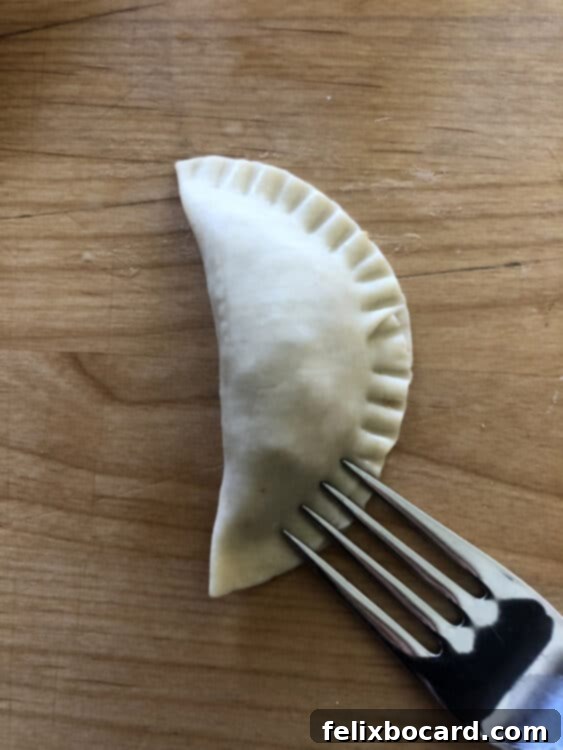
With the half-moon shape flat on your work surface, take a fork and gently press the tines along the entire curved edge of the dumpling. The fork tines will create a decorative crimped pattern that also seals the edges securely, much like you would seal a pie crust. This method is incredibly quick and reliable.
Continue with this fork-sealing technique for all your dumplings. You’ll find it significantly speeds up the process, allowing you to get to the delicious cooking stage much quicker. Once all your dumplings are formed, you can arrange them on a lightly floured baking sheet, ensuring they don’t touch each other, while you prepare for cooking.
The Perfect Steam-Fry: Cooking Your Potstickers to Perfection
The magic of potstickers lies in their unique cooking method: a strategic combination of frying and steaming. This dual approach delivers a dumpling that is beautifully crisp on the bottom and tender and juicy throughout. Here’s how to achieve that perfect balance:
Step 1: The Initial Fry for Golden Crispness
Start by heating a large, flat skillet (one with a lid is essential for the steaming step) over medium-high heat. Add about 2-3 tablespoons of oil (peanut or canola work best for their high smoke point). Allow the oil to get hot but not smoking, typically indicated by a shimmering appearance.
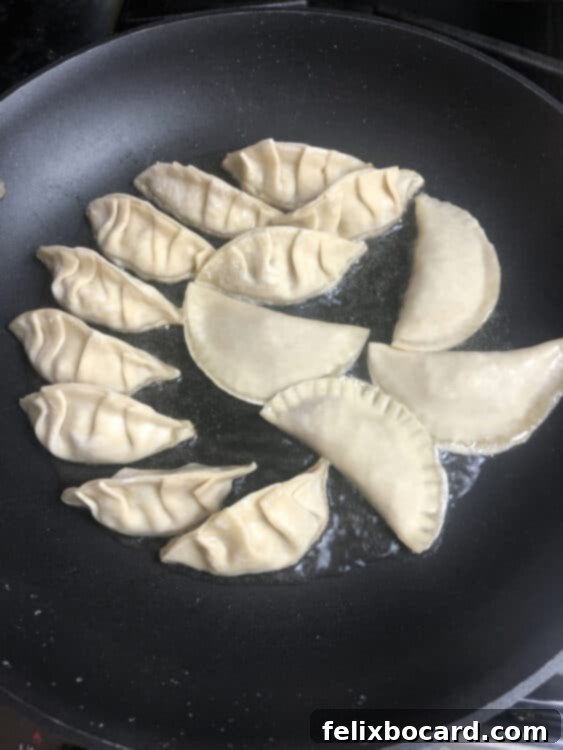
Carefully place your formed dumplings into the hot oil. Ensure there’s enough space between them; overcrowding the pan can prevent even browning. For pleated dumplings, I recommend setting them down on their flat bottom edge first, allowing that surface to develop a deep golden crisp. Fork-sealed dumplings, being flatter, can be placed on one of their broader sides.
The initial fry is quick, typically taking only 1-2 minutes until you see a beautiful golden-brown color forming on the bottom. Keep a close eye on them to prevent burning. This crispy base is a hallmark of an authentic potsticker and provides that satisfying textural contrast.
Step 2: The Steaming Phase for Tender Perfection
Once your dumplings have achieved that gorgeous golden bottom, it’s time to steam them. This step cooks the filling thoroughly and softens the rest of the wrapper.
Standard Steaming Method: Add about two tablespoons of water to the pan. Immediately cover the skillet tightly with a lid. The water will instantly turn into steam, trapping the heat and moisture inside to cook the dumplings. Steam the dumplings for 1-2 minutes, or until the wrappers appear translucent and the filling is cooked through. Then, remove the cover and continue to cook for another minute or two until all the water has completely evaporated from the pan. This final uncovered cooking helps re-crisp the bottom slightly.
Extra-Crispy Potstickers (My Personal Favorite!): If you, like us, prefer your dumplings with an extra crunch, you can add an optional step before steaming. After the first side has browned, carefully turn each dumpling over to brown a second side for an additional minute or two. This might be slightly less traditional but results in an undeniably delicious, extra-crispy exterior. Pleated dumplings are a bit easier to tip over onto their other flat side for this, whereas fork-sealed dumplings might require a quick flip with tongs. Once both sides are browned, proceed with the steaming step as described above: add water, cover, steam for 1-2 minutes, then uncover and cook until water evaporates. Remove dumplings from the pan as soon as the water is gone to prevent them from becoming overly crispy or burning.
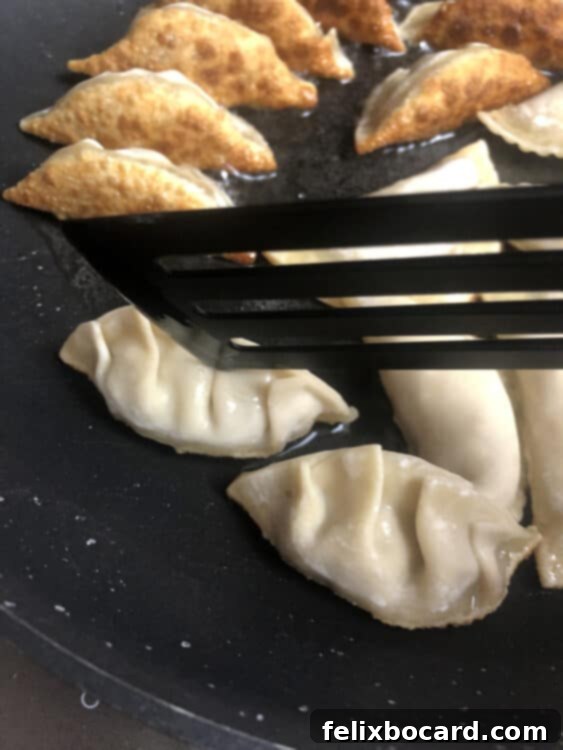
This extra browning step makes a noticeable difference in texture, adding another layer of crunch that we absolutely adore. Don’t worry about authenticity too much; the goal is deliciousness!
Once your potstickers are beautifully golden and steamed, transfer them to a serving platter. They are best enjoyed immediately while still warm and crispy.
The Perfect Pairing: What to Serve with Your Homemade Potstickers
No plate of potstickers is complete without the perfect dipping sauce! The right sauce elevates the entire experience, complementing the savory filling and crispy exterior. While a simple soy sauce and sesame oil mixture is a classic choice, there are many delicious options to explore.
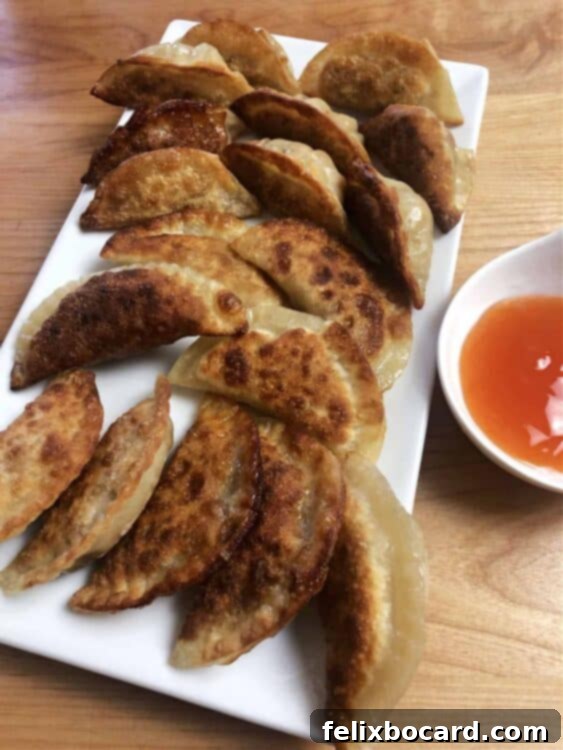
My absolute favorite accompaniment for potstickers is duck sauce, the same sweet and tangy sauce often served with egg rolls at Chinese takeout restaurants. Its vibrant flavor cuts through the richness of the dumplings, creating an irresistible combination that keeps you coming back for more. You can easily find duck sauce on most grocery store shelves.
The combination of an extra-crispy dumpling and the sweet duck sauce is truly magical. These little pillows of dough, stuffed with yummy filling and coated in a delightful sauce, are utterly addictive. They make for a fantastic appetizer or a satisfying main course.
Homemade Dipping Sauce (A Versatile Classic)
If you prefer a more traditional or customizable dipping sauce, try this quick and easy recipe:
- 2 tablespoons soy sauce (low sodium preferred)
- 1 tablespoon rice vinegar
- 1 teaspoon sesame oil
- 1 teaspoon grated fresh ginger
- 1 clove garlic, minced (optional)
- Pinch of red pepper flakes (optional, for heat)
- 1 teaspoon sugar or honey (optional, for sweetness)
- Finely sliced green onions (for garnish)
Whisk all ingredients together in a small bowl. Taste and adjust to your preference. This versatile sauce pairs wonderfully with almost any dumpling filling.
Beyond the dipping sauce, consider serving your potstickers with a light side dish to create a complete meal. A simple cucumber salad, a clear vegetable soup, or a bowl of steamed white rice can beautifully balance the flavors and textures. For beverages, a refreshing jasmine tea or a crisp lager would be excellent choices.
In our household, even those less enthusiastic about Chinese takeout wholeheartedly devour these potstickers. Whether filled with tofu or pork, my guy devours every single one. They are not only fun to make but even more enjoyable to eat!
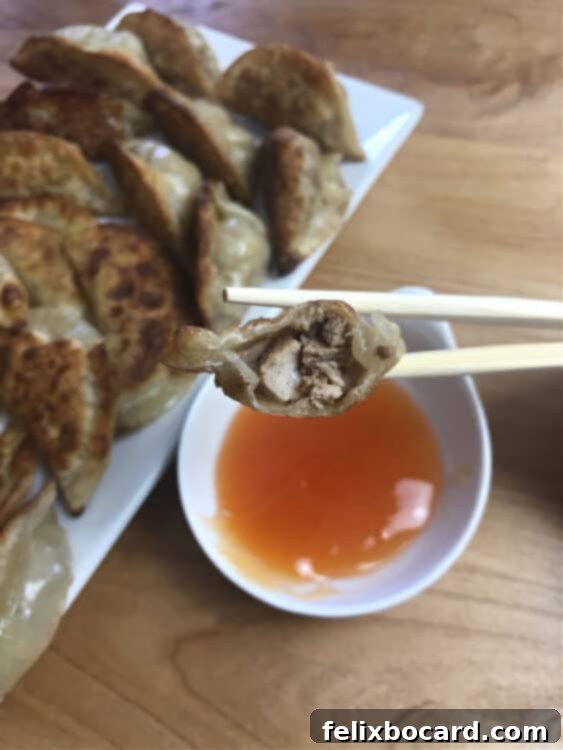
These dumplings are a surefire crowd-pleaser and a perfect way to bring the authentic taste of Chinese cuisine into your home.
Storing and Reheating Your Homemade Chinese Fried Dumplings
Homemade potstickers are delicious fresh, but they also store well, offering convenience for future meals. You can store them either cooked or uncooked.
Storing Uncooked Potstickers
If you’ve made a large batch and want to save some for later, freezing uncooked potstickers is an excellent option. Place the freshly formed, uncooked dumplings on a baking sheet lined with parchment paper in a single layer, ensuring they don’t touch each other. This prevents them from sticking together. Freeze them for 1-2 hours until they are solid. Once frozen, transfer the dumplings to a zip-top freezer bag or an airtight container. They can be stored in the freezer for up to 3 months.
To cook frozen potstickers, simply add an extra 2-3 minutes to the steaming time described in the recipe. There’s no need to thaw them first.
Storing Cooked Potstickers
Cooked potstickers can be stored in an airtight container in the refrigerator for up to 3 days. While they won’t be as crispy as when fresh, they’ll still be wonderfully flavorful.
Reheating Potstickers for Best Texture
The key to reheating potstickers is to restore some of their original crispiness. While you can microwave them, a skillet or oven will yield far superior results.
- Skillet Method: For the best crisp texture, reheat cooked potstickers in a lightly oiled skillet over medium heat for a few minutes per side until heated through and re-crisped. You can even add a splash of water and cover briefly to re-steam if they seem a bit dry.
- Oven Method: Preheat your oven to 350°F (175°C). Spread the potstickers in a single layer on a baking sheet and bake for about 10 minutes, or until heated through and the edges are crispy again.
- Air Fryer Method: An air fryer is also excellent for reheating. Place cooked potstickers in a single layer in the air fryer basket and cook at 350°F (175°C) for 5-7 minutes, shaking the basket halfway through, until crispy and hot.
Don’t let leftover wrappers go to waste! You can use them to make other delightful dumpling variations, like kreplach, a Jewish dumpling traditionally filled with meat, or even crispy wonton strips for soup.
Potsticker Recipe FAQs
Do potstickers float when cooked?
Unlike some American-style dumplings, which are made of dough dropped into a stew and typically float when boiled, potstickers are cooked through a combination of frying and steaming. They are not submerged in liquid for an extended period, so they are not expected to float when properly cooked. The key is to achieve a crispy bottom while the steam cooks the interior.
How do you keep potstickers crispy?
The secret to wonderfully crispy potstickers lies primarily in the frying step. Ensure your pan and oil are hot enough to create a good sear before adding water for steaming. To maximize crispiness, I highly recommend browning two sides of the dumpling instead of just one, as detailed in our cooking instructions. Additionally, once the steaming water has fully evaporated, allowing the dumplings to cook for another minute or so uncovered helps to re-crisp the bottom layer before removing them from the pan. Serve them immediately to enjoy their crispiness at its peak!
Can I use square wrappers for potstickers?
While round wrappers are traditional for potstickers, you can certainly use square wonton wrappers. Simply trim the corners to make them more circular, or fold them diagonally to create a triangular dumpling before sealing. The cooking method remains the same.
What if my potstickers stick to the pan?
Sticking can happen if the pan isn’t hot enough, or if you don’t use enough oil. Ensure your skillet is well-seasoned or non-stick, and add 2-3 tablespoons of oil before placing the dumplings. Avoid overcrowding the pan, as this can lower the pan’s temperature and release more moisture, making sticking more likely. If they do stick, try adding a small splash of water and covering the pan briefly; the steam might help loosen them.
📖 Recipe: Homemade Fried Dumplings (Potstickers)
Fried Dumplings (Chinese Potsticker Recipe)
15
10
25
Appetizer, Main Course
Chinese
20
56kcal
Sula
Equipment
- Large flat covered skillet for frying
Ingredients
- 2 cups cooked filling of choice
- Potsticker wrappers
- 2-3 TB oil peanut or canola
- Water – for wrapping and steaming
Instructions
- With each wrapper, moisten all edges with water. Place one tablespoon filling in the center and seal edges (using either the pleating or fork-seal method). Repeat until all dumplings are formed.Potsticker wrappers, 2 cups cooked filling of choice
- Heat 2-3 tablespoons of oil over medium-high heat in a large flat skillet. Place dumplings in the hot oil and fry for 1-2 minutes until the edges start to brown and become crispy.2-3 TB oil
- Optional: For extra-crispy dumplings, carefully turn each one and fry a second side for a minute before proceeding to the next step.
- Add 2 tablespoons water to the pan and cover immediately with a lid. Steam dumplings for 2 minutes, then remove cover. Continue to cook, uncovered, until all liquid has evaporated from the pan and the bottoms are re-crisped. Turn off heat and remove dumplings.Water – for wrapping and steaming
- Serve immediately with dipping sauce of choice.
Nutrition
Nutrition values are estimates only, using online calculators. Please verify using your own data.