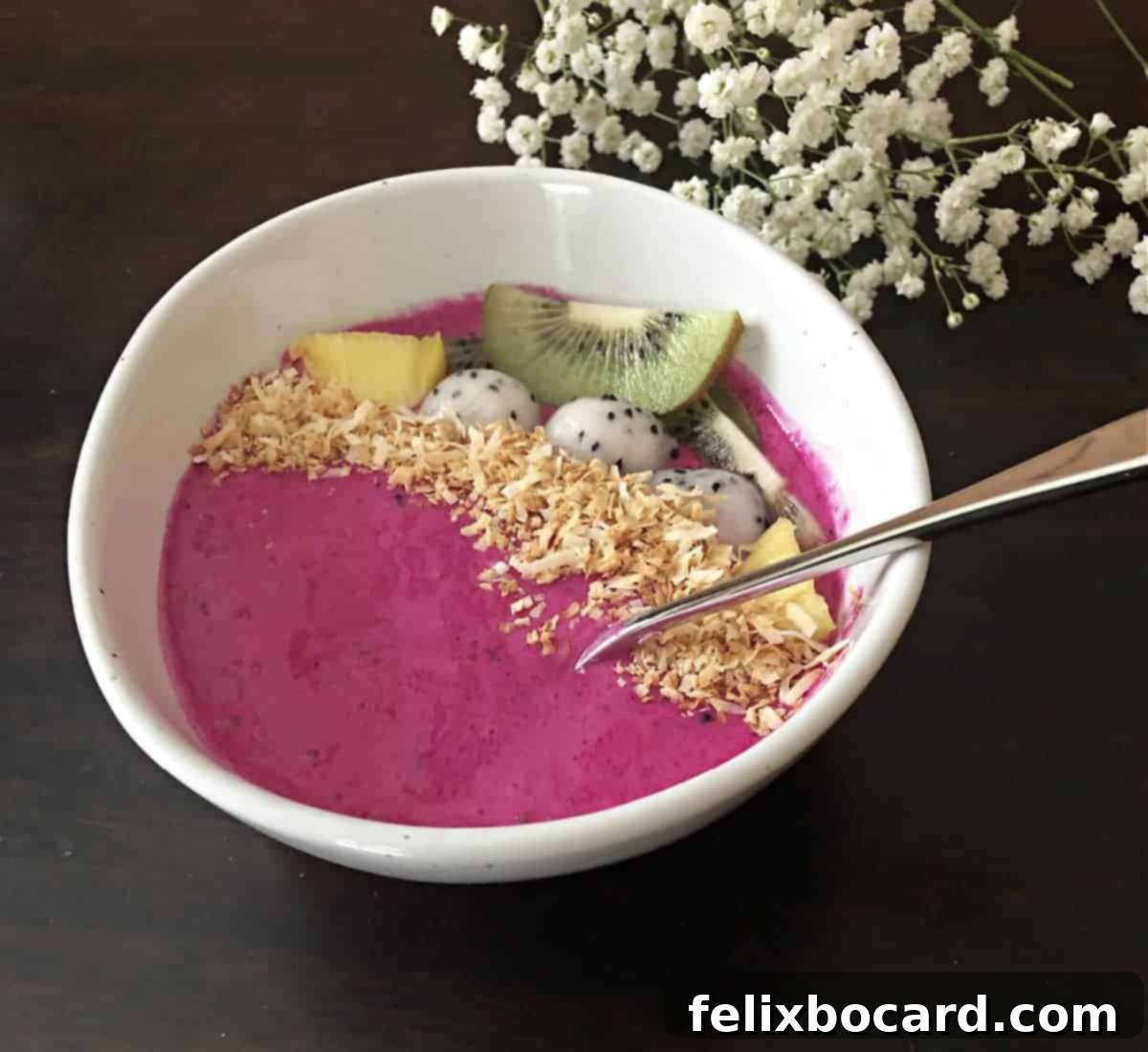
Welcome to the vibrant world of the Dragon Fruit Smoothie Bowl, often affectionately known as a Pitaya Bowl! If you’ve ever delighted in the exotic flavors and stunning hues of a dragon fruit smoothie, prepare to elevate that experience. This recipe takes everything you love about the drinkable version and transforms it into a thicker, spoonable, and utterly Instagram-worthy creation that’s perfect for a nourishing breakfast, a refreshing snack, or a delightful dessert.

What Exactly is a Smoothie Bowl?
At its heart, a smoothie bowl is simply a smoothie, but with a deliberate, thicker consistency designed to be eaten with a spoon rather than sipped through a straw. The key to achieving this luxurious texture lies in using less liquid and incorporating more frozen fruits. This creates a denser, ice-cream-like base that can hold an array of delicious and nutritious toppings.
Unlike a traditional smoothie, which is often consumed quickly, a smoothie bowl encourages a more mindful eating experience. It’s a canvas for creativity, allowing you to layer flavors and textures, making each spoonful an adventure. Beyond its appealing aesthetics, the thicker consistency means you’ll likely feel more satisfied, transforming it from a mere drink into a substantial meal.
Exploring the Wonders of Dragon Fruit (Pitaya)
Dragon fruit, or pitaya as it’s also known, is a tropical superfood celebrated for its striking appearance and subtle, sweet flavor. Native to Central and South America, it’s now cultivated globally, bringing its unique charm to markets around the world. Don’t let its fantastical exterior intimidate you; this fruit is surprisingly easy to work with and offers a wealth of health benefits.
Rich in antioxidants, vitamins (especially Vitamin C), and fiber, dragon fruit is a powerhouse of nutrition. It’s known to boost immunity, aid digestion, and contribute to overall well-being. Its mild sweetness makes it a versatile ingredient, pairing beautifully with other tropical fruits without overpowering them.
Varieties of Dragon Fruit: A Spectrum of Color and Taste
Dragon fruit comes in several enchanting varieties, each with its own visual appeal and subtle flavor nuances:

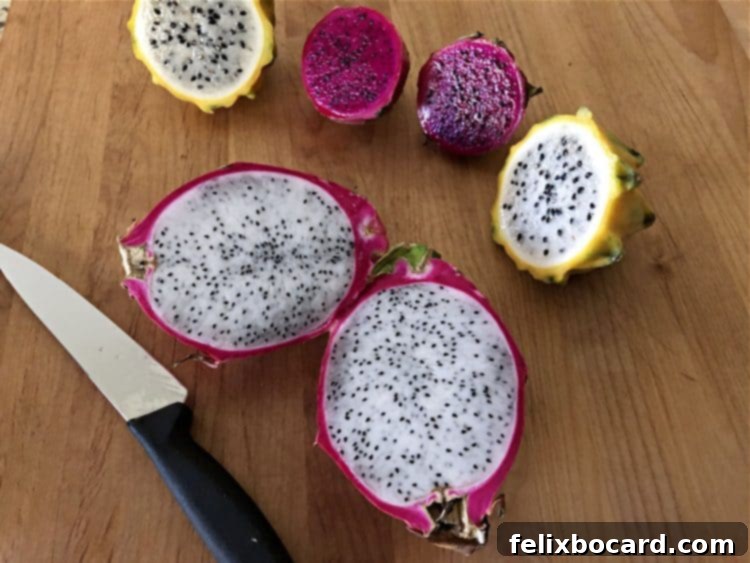
- White-Fleshed Dragon Fruit (Hylocereus undatus): This is perhaps the most common variety, featuring bright pink skin with green scales and a pristine white pulp speckled with tiny black seeds. Its flavor is subtly sweet, often compared to a mild kiwi or pear.
- Red/Pink-Fleshed Dragon Fruit (Hylocereus costaricensis or Hylocereus polyrhizus): Also boasting pink skin and green scales, this variety reveals a striking magenta or deep red pulp. The vibrant color is its most distinguishing feature, and its flavor tends to be a bit sweeter and more intensely flavored than the white-fleshed type. The small black seeds are even less noticeable within the rich color.
- Yellow-Skinned Dragon Fruit (Hylocereus megalanthus): Less common but equally captivating, this variety has bright yellow skin with a slightly spikier texture and white pulp with larger black seeds. Many find this variety to be the sweetest and most aromatic.
For a truly eye-catching smoothie bowl, the red/pink-fleshed dragon fruit is unparalleled, delivering that signature vibrant hue. However, any variety will offer a delicious and healthy base.
Sourcing Dragon Fruit: Fresh vs. Frozen
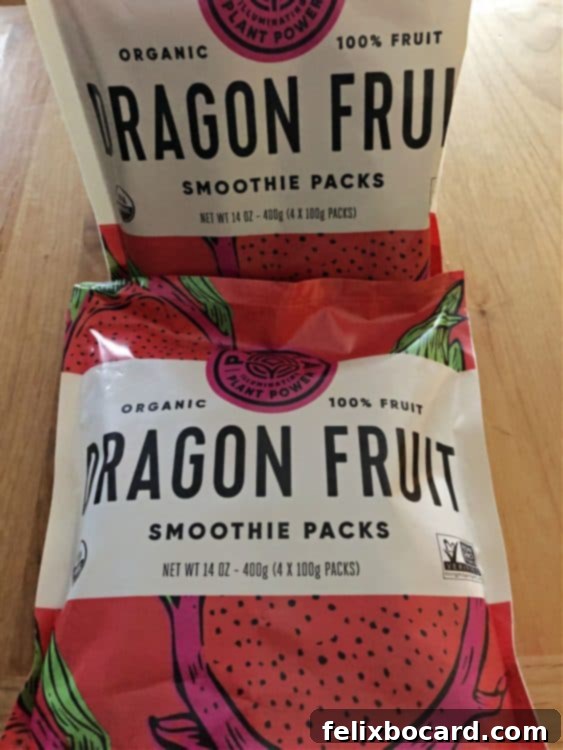
While fresh dragon fruit can be a beautiful addition, especially for garnishing, frozen pitaya puree packs are a fantastic and often more convenient option for smoothie bowls. They provide consistent color and texture, making blending effortless. You can typically find these in the frozen fruit section of health food stores or larger supermarkets.

Crafting Your Tropical Dragon Fruit Bowl: Key Ingredients
To create a truly exquisite pitaya bowl, selecting the right combination of ingredients is essential. This recipe focuses on a vibrant tropical flavor profile, perfect for transporting your taste buds to a sunny paradise.
Essential Ingredients:
- Dragon Fruit (Frozen Pitaya Puree): The star of our show, providing the stunning color and a delicate, earthy sweetness. Using it frozen is crucial for the desired thick consistency.
- Banana (Frozen Slices): Adds natural sweetness, a creamy texture, and helps create that perfectly thick, spoonable consistency. Freezing bananas ahead of time is a game-changer for any smoothie bowl.
- Mango (Frozen Chunks): Infuses the bowl with rich, tropical sweetness and a velvety texture. Its bright flavor complements the subtle taste of dragon fruit beautifully.
- Pineapple (Frozen Chunks): Contributes a tangy, refreshing counterpoint to the sweetness of the other fruits, enhancing the overall tropical experience.
- Coconut Milk (Full-Fat): This is the secret to achieving an ultra-creamy base with an undeniably tropical aroma and flavor. Full-fat coconut milk provides the best richness, but lighter versions or other plant-based milks can be used for a different profile.
How to Prepare This Delightful Pitaya Smoothie Bowl
Making a thick, creamy smoothie bowl is a straightforward process, but a few key techniques will ensure a perfect result every time. The goal is to blend as little as possible while achieving a smooth, uniform consistency.
Step-by-Step Blending Guide:
- Prepare Your Frozen Fruits: Ensure all your fruits are thoroughly frozen. If using a pitaya pack, allow it to thaw for just 5-10 minutes to make it easier to break up and blend, but don’t let it become too soft. For bananas, always slice them before freezing to prevent them from becoming a solid, unmanageable block.
- Layer Your Blender: For optimal blending, especially with less liquid, layer your ingredients strategically. Start with the liquid (coconut milk) at the bottom, followed by softer frozen fruits (like banana), then the harder frozen fruits (mango, pineapple, dragon fruit puree). This helps the blades catch and process everything efficiently.
- Blend with Minimal Liquid: This is the golden rule for smoothie bowls. Begin blending on a low setting, gradually increasing the speed. Use your blender’s tamper (if it has one) to push ingredients down towards the blades. For conventional blenders or food processors, you’ll need patience. Stop, scrape down the sides of the container with a spatula, and then resume blending. Repeat this process until you achieve a thick, smooth, and consistent mixture. It might take a few stops and scrapes, but the effort is worth the creamy reward.
- Check for Consistency: The final blend should be thick enough that it barely pours from the blender and can hold a spoon upright. If it’s too thick, add a tiny splash more coconut milk (start with a tablespoon) and blend again. If it’s too thin, add more frozen banana or a handful of ice cubes and re-blend.
Whether you’re using a high-powered blender that effortlessly pulverizes frozen ingredients or a standard blender/food processor that requires a bit more coaxing, a delicious and thick pitaya bowl is well within reach!
Serving and Adorning Your Pitaya Bowl: The Art of Garnishing
This is arguably the most exciting part of creating a smoothie bowl! The serving presentation is what truly sets it apart, allowing you to transform a simple blend into a beautiful, edible masterpiece.
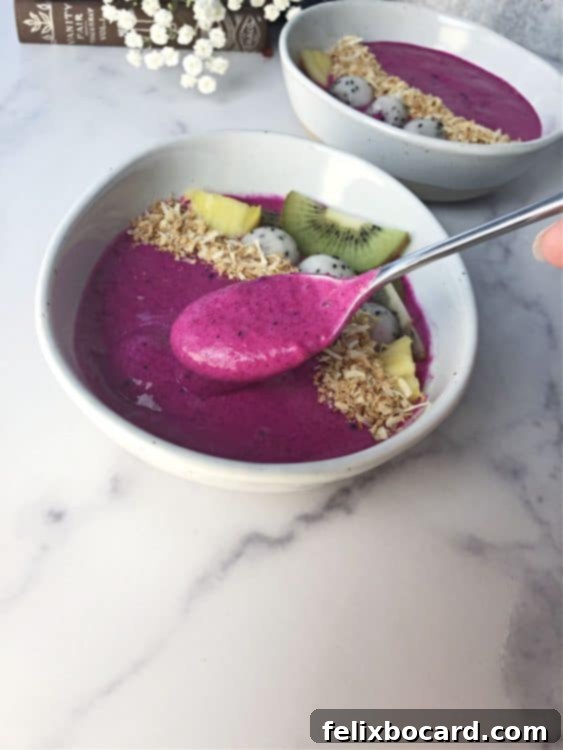
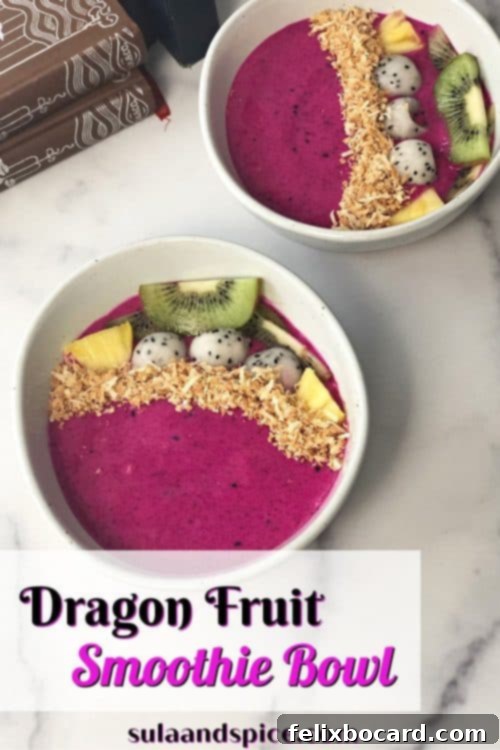
Once your pitaya blend is perfectly smooth and thick, transfer it into your favorite bowl. Now, let your creativity shine with a medley of toppings. The contrast in textures and colors is key to an engaging and satisfying experience. Think fresh, crunchy, and complementary flavors!
Inspired Topping Ideas:
- Fresh Fruit: Sliced kiwi, more mango or pineapple chunks, blueberries, raspberries, or even decorative cubes or balls of fresh dragon fruit (especially the white-fleshed variety for a striking contrast).
- Crunchy Elements: A sprinkle of granola adds a delightful crunch and often a boost of fiber and protein. For an extra tropical flair, don’t miss out on toasted coconut flakes – their aroma and texture are irresistible.
- Seeds for Nutrition: Chia seeds, hemp seeds, or flax seeds provide a nutritional punch with healthy fats, fiber, and protein. They also add a subtle textural pop.
- Nut Butters: A drizzle of almond butter, peanut butter, or cashew butter can add richness, healthy fats, and a satisfying creaminess.
- Sweet Touches: A swirl of honey, maple syrup, or agave nectar can enhance the sweetness, though often the frozen fruits provide enough.
Pitaya Bowl Recipe Variations to Inspire Your Creativity
The beauty of smoothie bowls lies in their versatility. Once you’ve mastered the basic technique, feel free to experiment with different combinations to suit your taste, mood, or what you have on hand.
Liquid Base Alternatives:
- Coconut Water: For a lighter, more hydrating bowl that still retains tropical essence.
- Almond Milk/Soy Milk/Oat Milk: Excellent dairy-free alternatives that offer varying degrees of creaminess and flavor.
- Dairy Milk: If you prefer traditional dairy, regular milk works just as well for a creamy base.
- Fruit Juice: A splash of apple or orange juice can add extra sweetness and fruit flavor, but be mindful of added sugars.
Fruit Combinations:
- Berry Blast: Incorporate frozen mixed berries (strawberries, blueberries, raspberries) for a different antioxidant-rich flavor profile. If you can’t find frozen pitaya, frozen raspberries can offer a similar bright pink hue.
- Green Goodness: Add a handful of spinach or kale. You won’t taste it, but it will dramatically boost the nutritional content (though it might mute the vibrant pink color!).
- Stone Fruits: Frozen peaches or cherries can add a lovely sweetness and texture.
Boost Your Bowl:
- Protein Power: Enhance the “meal” value by adding a scoop of your favorite protein powder (vanilla or unflavored work best), Greek yogurt, or a tablespoon of nut butter.
- Healthy Fats: A quarter of an avocado can make your bowl incredibly creamy and boost healthy fat content, without altering the flavor much.
- Spices: A pinch of cinnamon, nutmeg, or a dash of vanilla extract can add warmth and depth to your tropical blend.
A dragon fruit smoothie bowl is more than just a meal; it’s an experience. It’s a delicious and nutritious way to start your day, refuel after a workout, or enjoy a guilt-free treat. Its versatility and vibrant appearance make it a favorite for all ages, anytime!
And if you find yourself with extra pitaya packets after enjoying your bowls, why not get creative and try making some dragon fruit pancakes for another burst of color and flavor?
Dragon Fruit / Pitaya Bowl FAQs
Dragon fruit, also known as Pitaya, is an exotic tropical fruit indigenous to Mexico and Central America, now cultivated globally. It’s famous for its vibrant skin, which resembles a dragon’s scales, and its mild, subtly sweet pulp speckled with tiny black seeds. Its flavor is often described as a delicate blend of kiwi and pear, making it a refreshing addition to many dishes. It comes in several varieties, primarily white-fleshed with pink or yellow skin, and red/magenta-fleshed with pink skin.
The taste of dragon fruit is typically mild and subtly sweet, often likened to a refreshing fusion of kiwi and pear. The white-fleshed varieties tend to be less sweet and more refreshing, while the red-fleshed types can offer a slightly more intense sweetness. The yellow-skinned variety is often considered the sweetest of all. Beyond smoothie bowls, it’s excellent when eaten fresh, added to fruit platters, or as a garnish for yogurt bowls, offering a delightful texture and a hint of exotic sweetness.
Fortunately for smoothie bowl enthusiasts, frozen dragon fruit (pitaya) puree packs are becoming increasingly accessible. You can often find them in the frozen fruit section of major grocery stores, particularly at health-focused supermarkets like Whole Foods or Sprouts. These packs are incredibly convenient as they provide the vibrant magenta pulp without the need to select and prepare fresh fruit, ensuring a consistent color and flavor for your bowls.
Absolutely! Dragon fruit is a fantastic addition to a healthy diet. It’s low in calories but rich in essential nutrients, including Vitamin C, iron, and magnesium. It’s also an excellent source of dietary fiber, which aids digestion and promotes gut health. Furthermore, dragon fruit is packed with antioxidants, which help protect your cells from damage caused by free radicals. Its beneficial properties make it a true superfood.
While smoothie bowls are best enjoyed immediately after preparation to maintain their optimal thick and creamy texture, you can partially prepare them. Blend the base and store it in an airtight container in the freezer for up to an hour. This might require a quick re-blend or a few minutes to thaw slightly before serving. For best results, it’s always recommended to blend and serve fresh.
If you have any leftover smoothie bowl, you can transfer it to an airtight container and freeze it. The texture will change and become more like a sorbet or ice cream. When you want to enjoy it again, let it thaw slightly at room temperature or in the refrigerator until it reaches your desired consistency. You might need to stir it vigorously to break up any ice crystals. Add fresh toppings just before serving.
📖 Recipe
Print Recipe
Pin it!
Save Recipe
Dragon Fruit Bowl (Pitaya Bowl Recipe)
5 mins
5 mins
Ingredients
- ½ banana (frozen slices)
- 1 cup mango and/or pineapple (frozen chunks)
- 3.5 ounce dragon fruit puree (frozen pitaya pack)
- ¼ cup coconut milk (full fat, or preferred liquid)
Instructions
- Add all ingredients to a high-powered blender or food processor, starting with the liquid and softer frozen fruits first.
- Blend on a low setting, gradually increasing speed. Use a tamper or stop and scrape down the sides of the container as needed, until a thick, smooth, and consistent mixture is achieved.
- Serve immediately in a bowl and adorn with your favorite toppings.
Video
Nutrition
Nutrition values are estimates only, using online calculators. Please verify using your own data.