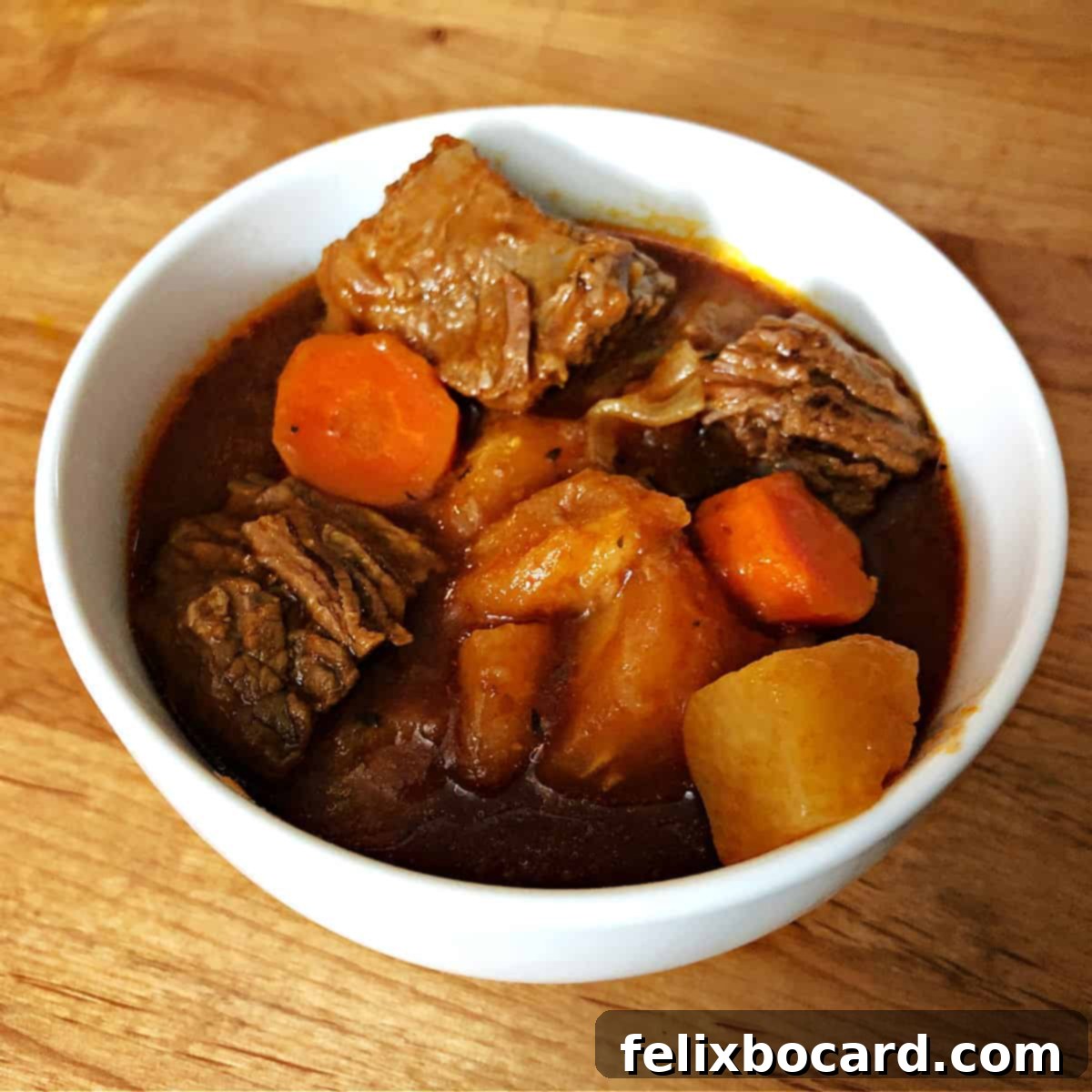
Craving the comforting warmth of a hearty beef stew but sticking to your low-carb or ketogenic lifestyle? You’re in luck! This ultimate guide unveils a delicious and satisfying Keto Beef Stew recipe that captures all the rich, savory flavors of a classic stew with a fraction of the carbohydrates. Say goodbye to carb-heavy potatoes and hello to a nourishing meal that perfectly fits your dietary goals without compromising on taste or texture.
Traditional beef stew often relies on ingredients like potatoes and carrots, which, while delicious, can quickly add up in carb count. Our carefully crafted keto version ingeniously swaps these out for lower-carb alternatives, ensuring every spoonful is packed with flavor and nutrients, keeping you full and satisfied. Whether you’re new to keto or a seasoned pro, this recipe is designed to be straightforward, incredibly flavorful, and a staple in your low-carb kitchen.
What Makes This Beef Stew Keto-Friendly?
The secret to transforming a beloved classic into a keto masterpiece lies in smart substitutions and mindful ingredient choices. The primary culprits for high carb counts in traditional beef stews are typically potatoes and sometimes even the tomato base. In this recipe, we’ve innovated to significantly reduce these without sacrificing the hearty essence of the dish.
The most significant carb reduction comes from replacing starchy potatoes with low-carb root vegetables. We opt for a delightful combination of parsnips and turnips. While parsnips still contain some carbs, they are considerably lower than potatoes and offer a subtly sweet, earthy flavor profile that complements the beef beautifully. Turnips, with their mild, slightly peppery taste, provide that essential tender texture without the carb load of potatoes. These two vegetables work in harmony to create a stew that feels traditional yet adheres strictly to keto principles, making it an excellent choice for anyone watching their carbohydrate intake.
Beyond the vegetables, our approach to the sauce also contributes to its keto credentials. Many conventional stew recipes utilize pre-made tomato-based mixes, such as Bloody Mary mix or V8 juice, which often contain added sugars and a high concentration of carbohydrates. For instance, a mere 1 ½ cups of V8 can contribute over 16 grams of carbohydrates. Our keto beef stew, however, employs a 6-ounce can of concentrated tomato paste, which delivers a deep, robust tomato flavor for a total of only about 6 grams of carbohydrates across the entire batch. This simple yet impactful switch ensures the stew maintains its rich, savory depth while keeping the carb count remarkably low.
Essential Ingredients for a Perfect Keto Beef Stew
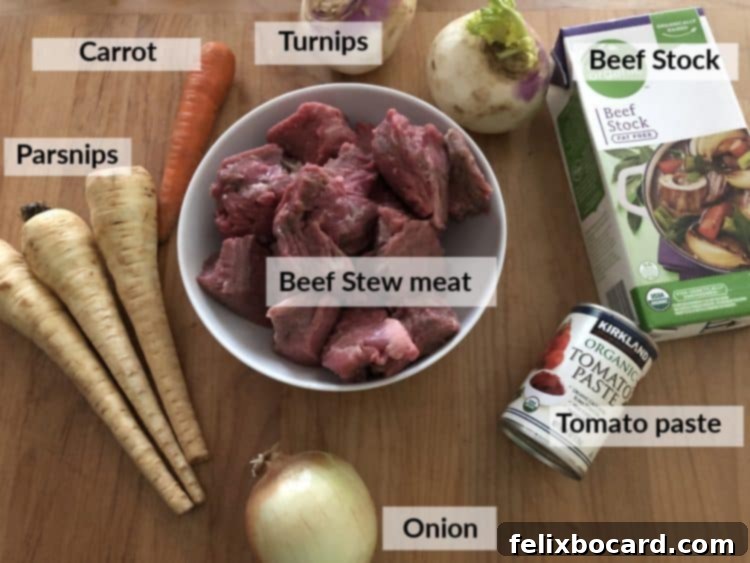
Crafting a truly exceptional low-carb beef stew begins with selecting the right ingredients. Each component plays a vital role in achieving that rich flavor and satisfying texture characteristic of a classic stew, all while staying within keto guidelines. Here’s a closer look at what you’ll need and why:
- Beef: The heart of any great beef stew. While pre-cut “stew meat” is convenient, a chuck roast, cut into 1-2 inch cubes, is often preferred for its marbling and tenderness when slow-cooked or pressure-cooked. Look for good quality, grass-fed beef for superior flavor and nutritional benefits.
- Beef Stock: The foundation of our flavorful broth. Opt for a high-quality, unsalted or low-sodium beef stock to control the overall seasoning of your stew. Homemade beef bone broth is an excellent choice for added collagen and deeper flavor, further enhancing the nutritional profile.
- Tomato Paste: This concentrated powerhouse provides a deep, umami-rich tomato flavor without the excess carbs found in many tomato sauces or mixes. It’s crucial for achieving the characteristic richness of beef stew.
- Parsnips: Our ingenious substitute for carrots. Parsnips offer a mild sweetness and a starchy texture similar to carrots but with fewer net carbs. They add a lovely depth of flavor that complements the beef and other vegetables beautifully.
- Turnips: The perfect low-carb stand-in for potatoes. Turnips become wonderfully tender when cooked and absorb the rich flavors of the stew without adding excessive carbohydrates. Peel them and cut them into chunks similar in size to your beef for even cooking.
- Onion: A staple aromatic for any savory stew. Yellow onions are typically used for their balanced flavor, providing a sweet and pungent base that deepens as it cooks.
- Carrot (Optional): We include just one medium carrot, primarily for a subtle touch of sweetness and that familiar pop of color. While carrots contain more carbs than other keto-friendly vegetables, a single carrot, divided among several servings, adds minimal carbs per portion. Feel free to omit it if you’re aiming for an extremely strict carb limit.
- Worcestershire Sauce: A classic stew enhancer, Worcestershire sauce adds a complex savory, tangy, and slightly sweet note that rounds out the flavor profile. Be sure to check labels for added sugars if you’re very strict, though a small amount contributes negligible carbs.
- Spices:
- Garlic Powder: For a foundational savory aroma.
- Dried Thyme: Earthy and aromatic, thyme is a classic pairing with beef.
- Dried Marjoram: Similar to oregano but milder and sweeter, marjoram adds a delicate herbal note.
- Bay Leaf: Essential for infusing a subtle, almost woodsy aroma and a hint of minty spice that becomes more pronounced as the stew simmers. Remember to remove it before serving!
- Xanthan Gum (for thickening): A fantastic low-carb thickener. Unlike flour or cornstarch, xanthan gum provides excellent thickening power with virtually no carbohydrates, making it ideal for keto cooking. A little goes a long way!
Step-by-Step Guide to Crafting Your Keto Beef Stew
This recipe is designed for ease and efficiency, particularly when using an Instant Pot. However, we also provide notes for adapting it to a slow cooker for those who prefer a longer, gentler cooking method. The key to a deeply flavorful stew is to brown the beef thoroughly and allow the flavors to meld.
Using an Instant Pot (Recommended for Speed and Convenience):
- Brown the Beef: Begin by setting your Instant Pot to the “Sauté” function. Add a tablespoon of olive oil, and once hot, add your stew meat in batches if necessary to avoid overcrowding. Brown the beef on all sides for 5 to 7 minutes until a rich, crusty sear develops. This step is crucial for building deep flavor.
- Prepare the Flavor Base: While the beef browns, combine the tomato paste with ½ cup of the beef stock in a small bowl, stirring until smooth. This creates a concentrated, flavorful paste. Whisk in the Worcestershire sauce, garlic powder, dried thyme, and dried marjoram until well combined. This aromatic mixture will infuse the stew with its signature taste.
- Combine Ingredients: Once the beef is browned, turn off the sauté function. Add the prepared parsnips, turnips, sliced carrot (if using), and chunked onion to the Instant Pot. Pour the tomato paste mixture over the vegetables and beef, then add the remaining 2 cups of beef stock. Tuck in a bay leaf for added depth. Give it a gentle stir to ensure everything is submerged in the liquid.
- Pressure Cook: Secure the lid on your Instant Pot, ensuring the vent is sealed. Select the “Meat/Stew” setting and set the cooking time for 18 to 20 minutes. For exceptionally tender vegetables and melt-in-your-mouth beef, opt for the longer 20-minute cooking time.
- Natural Pressure Release: Once the cooking cycle is complete, allow the Instant Pot to release pressure naturally for at least 20 minutes. This slow release helps to further tenderize the meat and prevents it from becoming tough. After 20 minutes (or longer, up to 30-45 minutes for even better results), you can manually vent any remaining pressure before carefully opening the lid. Remove and discard the bay leaf.
- Thicken the Stew (Keto-Friendly): For a perfectly rich and thick stew without the carbs, we use xanthan gum. In a small bowl, combine ½ cup of cold water. Sprinkle ½ teaspoon of xanthan gum evenly over the surface of the water. Immediately whisk vigorously until no lumps remain and a smooth, slightly thickened slurry forms. Pour this mixture into the hot stew in the Instant Pot and stir continuously for 1-2 minutes. The stew will visibly thicken. If you prefer an even thicker consistency, you can repeat this step with another ¼ teaspoon of xanthan gum, remembering that a little goes a long way!
Slow Cooker Method:
If you prefer the “set it and forget it” convenience of a slow cooker, you can easily adapt this recipe. While the initial browning of the beef is still highly recommended for flavor development, the cooking process is much more hands-off.
- Brown the Beef (Stovetop): In a large skillet over medium-high heat, brown the stew meat in olive oil until well seared on all sides. Transfer the browned beef to your slow cooker.
- Sauté Aromatics (Optional but Recommended): In the same skillet, briefly sauté the chopped onion for 3-5 minutes until softened. This step further develops flavor. Add to the slow cooker.
- Combine All Ingredients: In a separate bowl, whisk together the tomato paste, beef stock, Worcestershire sauce, garlic powder, thyme, and marjoram until smooth. Pour this mixture over the beef and onions in the slow cooker. Add the parsnips, turnips, carrot (if using), and bay leaf. Stir gently to combine.
- Cook on Low: Cover the slow cooker and cook on the LOW setting for 6-8 hours, or on HIGH for 3-4 hours, or until the beef is fork-tender and the vegetables are soft.
- Thicken (Optional): Once cooked, remove the bay leaf. If you desire a thicker stew, prepare the xanthan gum slurry as described in step 6 of the Instant Pot instructions and stir it into the hot stew in the slow cooker.
Customizing Your Low-Carb Beef Stew
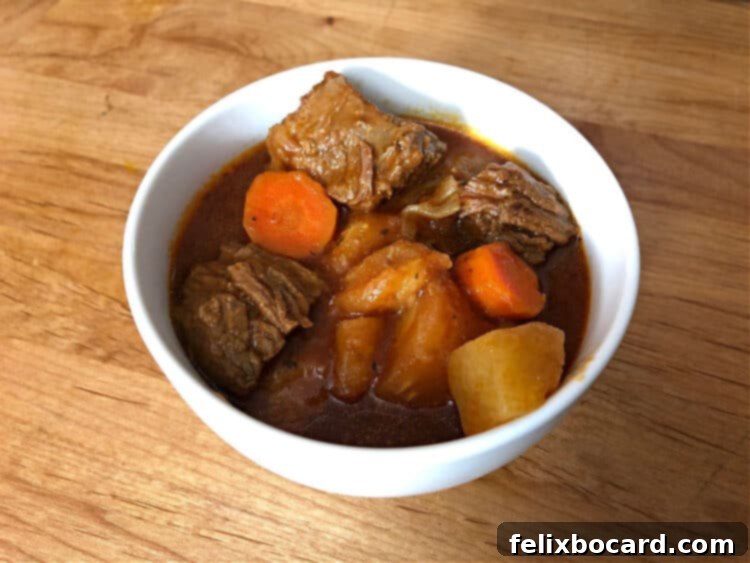
This keto beef stew recipe is incredibly versatile and can be adapted to suit your personal preferences and dietary needs. This recipe yields approximately 8 cups of stew, and we’ve calculated it for 6 generous servings, with each serving being about a cup and a half. For many, this makes a substantial and satisfying stand-alone meal, particularly on a chilly winter day when a warm, hearty dish is most welcome. However, if you prefer smaller portions or are pairing it with a side, one cup might be just right for you.
Here are a few ways you can customize your stew:
- Carrot Count: As mentioned earlier, if you are strictly monitoring every gram of carbohydrate, feel free to completely omit the single carrot from the recipe. While one carrot contributes only about 1 gram of net carbs per serving to the overall dish, every little bit counts for some on a very strict ketogenic diet. The stew will still be incredibly flavorful without it.
- Thicker or Thinner Consistency: The amount of xanthan gum can be adjusted to achieve your desired stew consistency. Remember that xanthan gum is a very potent thickener; even a small additional amount can make a significant difference. Start with ½ teaspoon, and if you want it thicker, add another ¼ teaspoon dissolved in a tablespoon of cold water, whisking vigorously into the stew.
- Spice Variations: Don’t hesitate to experiment with other keto-friendly spices. A pinch of smoked paprika can add a wonderful smoky depth, while a touch of rosemary or a dash of black pepper can enhance the savory notes. For a hint of warmth, a tiny pinch of cayenne pepper can be a great addition.
- Additional Keto Vegetables: If you want to boost the vegetable content, consider adding other low-carb options such as chopped celery, sliced bell peppers (especially green or red for color and a mild sweetness), or even a handful of chopped spinach or kale stirred in during the last few minutes of cooking.
- Herbs: Fresh herbs like parsley or chives, chopped and stirred in right before serving, can brighten the flavors and add a fresh aromatic touch.
Enjoy the authentic taste of classic beef stew, thoughtfully re-imagined for a lower carbohydrate, keto-friendly version that doesn’t compromise on flavor or comfort.
Perfect Pairings: How to Serve Low Carb Beef Stew
This keto beef stew is incredibly filling and satisfying on its own, making it a complete meal. However, if you’re looking to expand your culinary horizons or simply want to complement its rich flavors, there are numerous low-carb options that pair beautifully with it. The goal is to balance the richness of the stew with lighter, fresher, or texturally contrasting elements.
- Creamy Cauliflower Mash: Instead of mashed potatoes, serve your keto beef stew over a bed of creamy cauliflower mash. It’s an excellent low-carb alternative that mimics the texture and comfort of traditional mashed potatoes, perfectly soaking up all the delicious broth. You can enrich it with butter, cream cheese, or a splash of heavy cream for extra decadence.
- Roasted Green Beans or Asparagus: A simple side of roasted green beans or asparagus tossed with a little olive oil, garlic, salt, and pepper can add a vibrant green color and a slight crunch that contrasts wonderfully with the tender stew.
- Simple Green Salad with Tangy Vinaigrette: To cut through the richness of the stew, a fresh green salad made with crisp lettuce, cucumber, and a light, tangy vinaigrette (like a lemon-dijon dressing) is an ideal companion. The acidity helps to cleanse the palate between bites.
- Keto-Friendly Bread or Biscuits: If you miss the classic bread-and-stew combination, a slice of keto-friendly bread or a savory keto biscuit is perfect for soaking up every last drop of the flavorful broth. Many excellent low-carb bread recipes use almond flour or coconut flour.
- Steamed Broccoli or Brussels Sprouts: Lightly steamed broccoli florets or roasted Brussels sprouts provide an earthy flavor and a good source of fiber, rounding out the meal without adding significant carbohydrates.
- Zucchini Noodles (Zoodles): For a lighter option, you can serve the stew over a bed of lightly sautéed zucchini noodles. They add volume and freshness without overpowering the stew’s robust taste.
Choose one or a combination of these options to create a balanced and deeply satisfying low-carb meal that feels gourmet yet is simple to prepare.
Maximizing Flavor and Freshness: Storing Leftover Keto Beef Stew
One of the many joys of cooking a hearty stew is the incredible leftovers. In fact, many people find that the flavors of this keto beef stew deepen and meld even further overnight, making it taste even better the next day! Proper storage is key to enjoying your stew safely and extending its deliciousness.
- Refrigeration: Allow the stew to cool completely to room temperature before storing. This is crucial to prevent bacterial growth and maintain food safety. Once cooled, transfer the stew into an airtight container. It will keep beautifully in the refrigerator for up to 3 to 4 days. When reheating, you can simply warm it on the stovetop over medium heat, stirring occasionally, or use the microwave in individual portions until heated through.
- Freezing for Future Meals: Keto beef stew freezes exceptionally well, making it perfect for meal prep or for those busy weeknights when you need a quick, healthy meal. To freeze, ensure the stew is completely cooled. Divide it into individual portions in freezer-safe containers or heavy-duty freezer bags. This makes thawing and reheating much more convenient. Frozen stew can be stored for up to 2 to 3 months without a significant loss of quality.
- Thawing and Reheating Frozen Stew: When you’re ready to enjoy your frozen stew, the best method is to transfer it from the freezer to the refrigerator and allow it to thaw overnight. Once thawed, reheat it on the stovetop over medium heat, stirring occasionally, or in the microwave. If you’re in a hurry, you can reheat it directly from frozen on the stovetop over low heat, stirring frequently and adding a splash of beef stock or water if it seems too thick, until it’s bubbling and hot.
- Tips for Best Results: Always ensure your containers are truly airtight to prevent freezer burn. Label your containers with the date they were made to keep track of freshness. The vegetables (especially the turnips and parsnips) might become slightly softer in texture after freezing and thawing, but their flavor will remain excellent.
With these storage tips, you can enjoy the wholesome goodness of your keto beef stew for days or even weeks to come!
Frequently Asked Questions About Keto Beef Stew
While carrots are indeed a vegetable, they contain a higher sugar and carbohydrate content compared to many other non-starchy vegetables. For those following a very strict ketogenic diet, where every gram of net carb is meticulously counted, carrots might be limited or even avoided. However, they are not entirely off-limits for everyone on keto. The key is moderation and portion control. In this recipe, we’ve included only one medium carrot, primarily to add a touch of natural sweetness and a vibrant pop of color, which can make the stew more visually appealing and add subtle flavor nuances. One medium carrot contains approximately 6 grams of carbohydrates, which, when divided among 6 servings of this stew, amounts to roughly 1 gram of carbohydrates per serving. If you’re aiming to keep your carb intake as low as possible, you are certainly welcome to omit the carrot from the recipe without significantly impacting the overall flavor profile. It’s all about personal carb tolerance and dietary goals.
Xanthan gum is a widely used food additive valued for its thickening and stabilizing properties. It’s a polysaccharide, a type of carbohydrate, produced through the fermentation of simple sugars by a bacterium called Xanthomonas campestris. After fermentation, the substance is dried and ground into a fine powder. When this powder is introduced to a liquid, it quickly disperses and creates a viscous, stable solution, making it an incredibly effective thickener, emulsifier, and stabilizer in various food products, from salad dressings to gluten-free baked goods.
Despite being derived from sugar, xanthan gum is considered a soluble fiber. This means that unlike other carbohydrates, the human digestive system cannot break it down or absorb it. Consequently, xanthan gum passes through the body largely undigested, providing virtually no calories or net carbohydrates. This unique property makes it an ideal thickening agent for ketogenic and low-carb diets, allowing you to achieve rich, gravy-like consistencies in dishes like stew without adding unwanted sugars or starches. It’s a powerful tool for achieving the right texture in keto cooking, ensuring your meals are both delicious and compliant with your dietary goals. (Source: healthline.com)
Absolutely! While stew meat (often a mix of various cuts) and chuck roast are popular choices for their tenderness and flavor after slow cooking, other cuts can also work. Look for cuts with good marbling, which contributes to flavor and keeps the meat moist. Good alternatives include beef short ribs (boneless, cut into pieces), beef round, or even brisket. Just be aware that cooking times might vary slightly depending on the cut and its tenderness.
Yes, this keto beef stew is an excellent candidate for meal prepping! As mentioned in the storage section, the flavors often deepen and improve overnight, making it even more delicious on subsequent days. Its hearty nature ensures it holds up well when reheated, and it can be easily divided into individual portions for quick grab-and-go meals throughout the week. Freezing individual portions also offers a convenient solution for healthy, homemade keto meals months down the line.
📖 Recipe: Ultimate Keto Beef Stew

Print Recipe
Pin it!
Low Carb Beef Stew
Ingredients
- 1 tablespoon olive oil
- 1 ½ pound stew meat
- 2 ½ cups beef stock
- 6 oz tomato paste
- ¾ pound parsnips peeled and chunked
- ¾ pound turnips peeled and chunked
- 1 medium carrot peeled and sliced (optional)
- 1 medium onion peeled and chunked
- 1 Tablespoon Worcestershire sauce
- ½ teaspoon garlic powder
- ½ teaspoon thyme dried
- ¼ teaspoon marjoram dried
- 1 bay leaf
- To thicken:
- ½ cup cold water
- ½ teaspoon xanthan gum
Instructions
- Turn Instant Pot to “sauté” setting. Add olive oil, then beef. Cook, stirring occasionally, until thoroughly browned (5 to 7 minutes).
- In a small bowl, combine the tomato paste and ½ cup beef stock. Stir until smooth. Add Worcestershire sauce, garlic powder, thyme, and marjoram, stirring to incorporate all spices evenly.
- Add the prepared vegetables (parsnips, turnips, carrot if using, and onion) to the Instant Pot. Pour the tomato paste mixture over them, followed by the remaining 2 cups of beef stock. Add the bay leaf.
- Seal the Instant Pot lid and set to the “meat/stew” setting for 18-20 minutes. (Use 20 minutes for extra tender vegetables and beef).
- Once the cooking cycle is complete, allow the Instant Pot to release pressure naturally for at least 20 minutes (preferably 30-45 minutes for optimal tenderness). Then, manually vent any remaining pressure and carefully open the lid. Remove and discard the bay leaf.
- To thicken: In a small bowl, place ½ cup cold water. Evenly sprinkle ½ teaspoon of xanthan gum over the surface. Immediately whisk vigorously until no lumps remain and a smooth, slightly thickened slurry forms. Add this mixture to the hot stew in the Instant Pot and stir continuously for 1-2 minutes until evenly distributed and the stew has thickened to your desired consistency. You may add an additional ¼ teaspoon of xanthan gum (prepared the same way) if a thicker stew is desired.
Video
Nutrition
Nutrition values are estimates only, using online calculators. Please verify using your own data.
Explore More Delicious Keto Meal Ideas
If you’re loving the flavors and ease of this Keto Beef Stew, you’re probably eager to discover more delicious low-carb options to keep your ketogenic journey exciting and varied. The keto diet doesn’t have to be restrictive; it’s all about making smart, flavorful substitutions that satisfy your cravings and nutritional needs. Here are some of our favorite keto-friendly recipes that we think you’ll enjoy just as much:
- Keto Taco Casserole: A family-friendly favorite, this casserole delivers all the zesty, savory flavors of tacos in a convenient, low-carb format. It’s perfect for a weeknight meal and great for using up ground beef.
- Sautéed Mushrooms and Onions: A simple yet incredibly flavorful side dish that pairs wonderfully with almost any protein. These tender, caramelized vegetables are a versatile addition to your keto meal plan.
- Keto Coleslaw: Light, crunchy, and refreshing, this coleslaw recipe uses a sugar-free dressing to provide a perfect counterpoint to richer dishes. It’s ideal for picnics, BBQs, or as a fresh side.
- Cheesy Cauliflower Rice: A fantastic low-carb alternative to traditional rice, this cheesy version is comforting, flavorful, and incredibly versatile. Serve it as a side or as a base for other keto main courses.
These recipes are designed to prove that eating keto can be a delightful culinary adventure, full of hearty meals and vibrant flavors. Don’t be afraid to experiment and discover your own low-carb favorites!