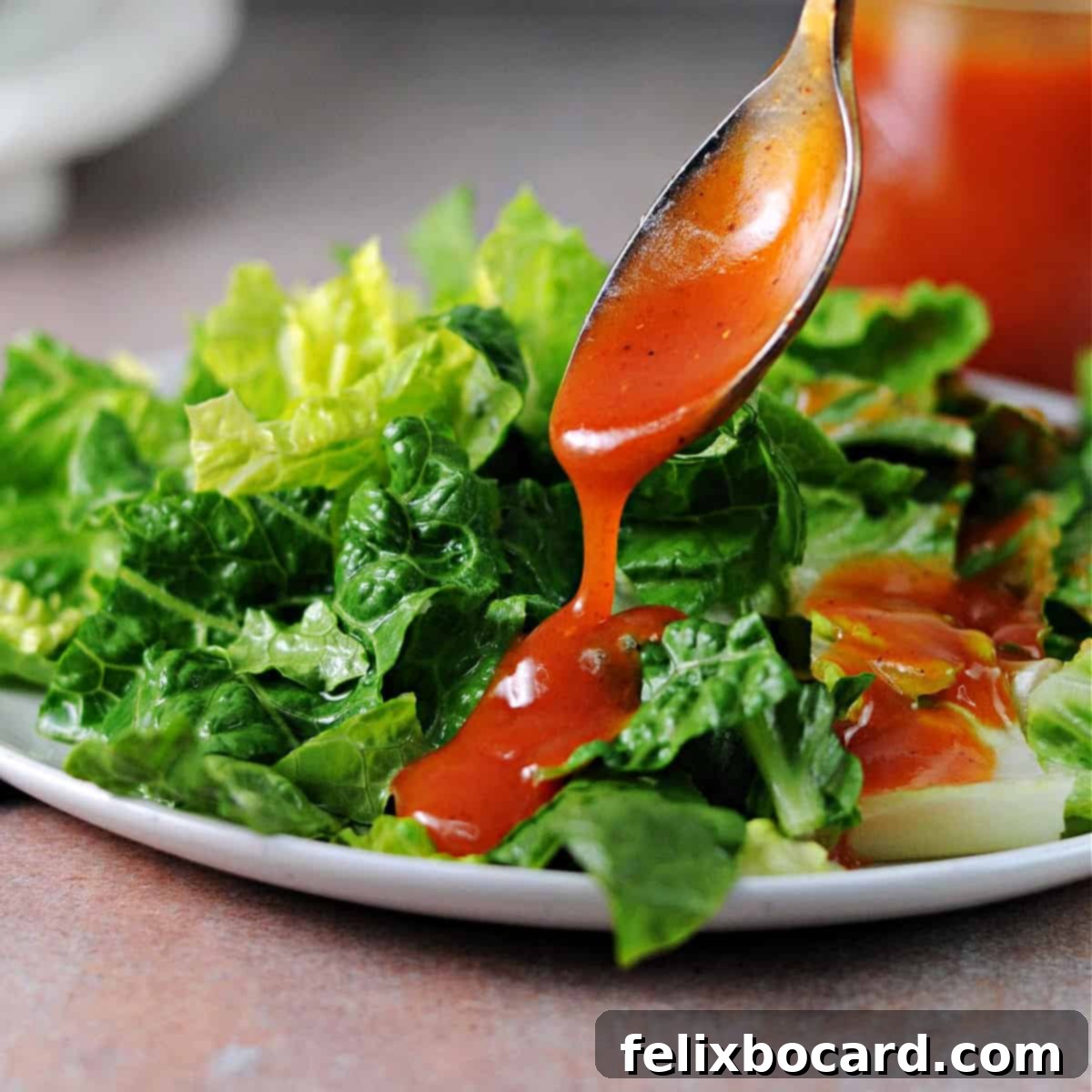
In our fast-paced lives, convenience often trumps craftsmanship, especially when it comes to kitchen staples. Bottled salad dressings are a prime example – quick to grab, easy to use. I’ll be the first to admit their appeal. However, a quick glance at the ingredient list on many commercially produced dressings often reveals a less appealing truth. Hidden amongst the familiar are ingredients like high fructose corn syrup and a slew of unpronounceable preservatives, thickeners, and artificial flavors. These additives not only detract from the natural taste of your salad but can also raise concerns for those mindful of what they consume. The desire for a cleaner, healthier alternative has led many, including myself, to explore the delightful world of homemade salad dressings.
The beauty of making your own dressing lies in the complete control you have over every single ingredient. You choose fresh, wholesome components, adjust flavors to your preference, and eliminate unwanted chemicals. The process is surprisingly simple, often taking just a few minutes, and the reward is a dressing that is not only healthier but also far more vibrant and flavorful than its store-bought counterparts. This homemade Catalina dressing recipe stands as a perfect testament to this principle. It’s a delightful blend of sweet and tangy notes, creating a unique flavor profile that can elevate any ordinary green salad into something truly special. If you’re looking to add a touch of distinctive sweetness and zesty kick to your next meal, this easy-to-make Catalina dressing is an absolute must-try.
Why This Homemade Catalina Dressing Recipe is a Game Changer
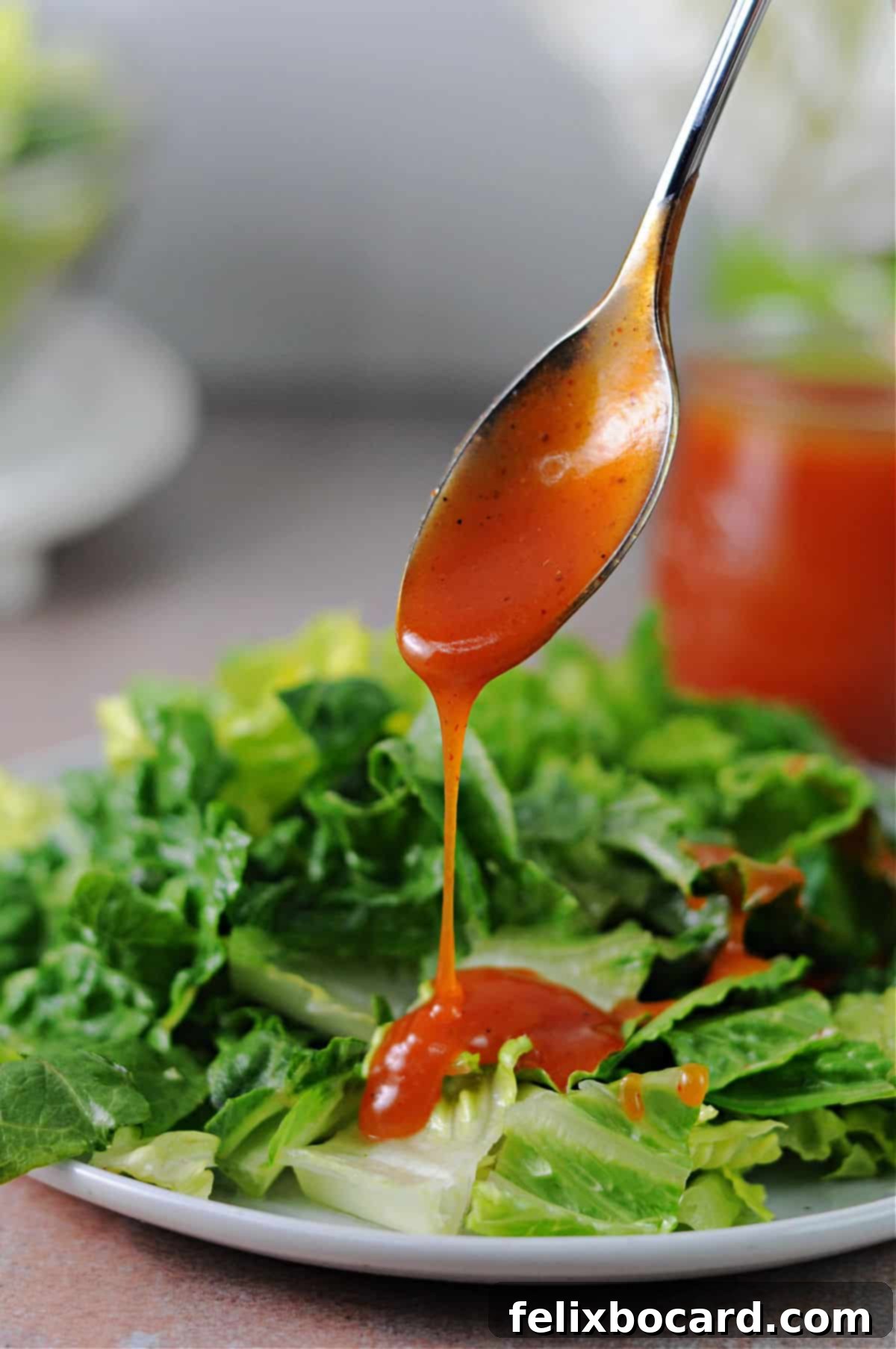
My passion for this specific Catalina dressing recipe stems from several key factors. First and foremost, its incredible flavor balance of sweet and tangy is simply irresistible. It strikes a harmonious chord that awakens the palate, making salads more exciting and enjoyable. Beyond taste, the ease of preparation is a significant advantage. In a world where time is a precious commodity, a delicious dressing that comes together in mere minutes is invaluable. You won’t believe how quickly you can transform basic pantry staples into a gourmet-quality dressing.
While often compared to French dressing due to its reddish hue and similar base, Catalina dressing offers a distinct character. The primary difference, and a defining feature of this recipe, is the slightly higher proportion of ketchup. This isn’t just about color; the ketchup imparts a richer, more savory undertone alongside its sweetness, contributing to Catalina’s signature vibrant color and deeper flavor. This particular homemade Catalina dressing was initially crafted to perfectly complement a hearty Dorito taco salad, a dish where its sweet and tangy profile truly shines, cutting through the richness of the ingredients. However, its versatility extends far beyond. I’ve discovered it beautifully enhances a wide variety of green salads, particularly those that benefit from a touch of sweetness to balance fresh greens and other toppings. Prepare to fall in love with its bold, refreshing taste!
What Exactly is Catalina Salad Dressing?
Catalina salad dressing is a beloved condiment known for its vivid red-orange color and a distinctive flavor profile that dances between sweet, tangy, and subtly spicy. It’s a classic American dressing that has graced countless salad bowls and become a household favorite. At its core, Catalina dressing is a tomato-based emulsified dressing. My recipe, like many traditional versions, prominently features ketchup as the foundation for its rich tomato notes and signature hue. This is then beautifully balanced with the sharp acidity of vinegar, the comforting sweetness of sugar, and the smooth richness of oil. What truly sets it apart, however, is the thoughtful blend of spices. Paprika contributes a warm, earthy depth and enhances the color, while onion powder provides an aromatic foundation, and a touch of chili powder adds a gentle, exciting kick, creating a complex and utterly addictive flavor. This combination makes it far more interesting than your average vinaigrette, offering a hearty flavor that can stand up to robust salads.
The history of Catalina dressing is somewhat intertwined with the broader category of “French-style” dressings in America. While not a traditional French vinaigrette, these dressings gained popularity for their creamy texture and appealing color. Catalina emerged as a spicier, tangier, and often sweeter variation, developing its own dedicated following. Its bright, bold flavor has made it a staple for specific types of salads and even as a versatile marinade, showcasing its unique position in the pantheon of popular dressings.
Catalina vs. French Dressing: A Flavorful Face-Off
When discussing tomato-based salad dressings, the comparison between Catalina and French dressing inevitably arises. Both share a common starting point: a base that includes tomatoes, which is responsible for their characteristic reddish appearance. However, their flavor profiles and textures diverge significantly. Catalina dressing generally leans towards being noticeably tangier and sweeter than French dressing, often featuring a more pronounced zest and a subtle hint of paprika-driven spice that adds an extra layer of complexity. This vibrancy makes it particularly suitable for dishes that require a bolder flavor statement.
In terms of consistency, Catalina dressing tends to be thinner and lighter than its French counterpart. French dressing often has a creamier, thicker texture, sometimes even leaning towards an orange-pink or coral hue. Catalina, on the other hand, typically boasts a more vibrant reddish-orange, almost translucent appearance. This difference in texture affects how they coat salad greens and interact with other ingredients. While French dressing is often celebrated for its versatility, gracing traditional green salads and acting as an all-purpose dip or marinade, Catalina dressing carves out its own niche. It’s especially popular as a taco salad dressing, where its sweetness and tang perfectly complement the savory flavors of seasoned meat, cheese, and tortilla chips. Moreover, its robust flavor profile makes it an excellent choice for marinades, particularly for chicken or pork, imparting a unique sweet and savory glaze. Understanding these distinctions helps you choose the perfect dressing for your culinary creations.
Essential Ingredients for Homemade Catalina Dressing
Crafting your own homemade Catalina dressing requires a handful of common pantry ingredients. The magic happens when these simple components combine to create a symphony of sweet, tangy, and savory flavors. Here’s a closer look at what you’ll need and the role each ingredient plays:
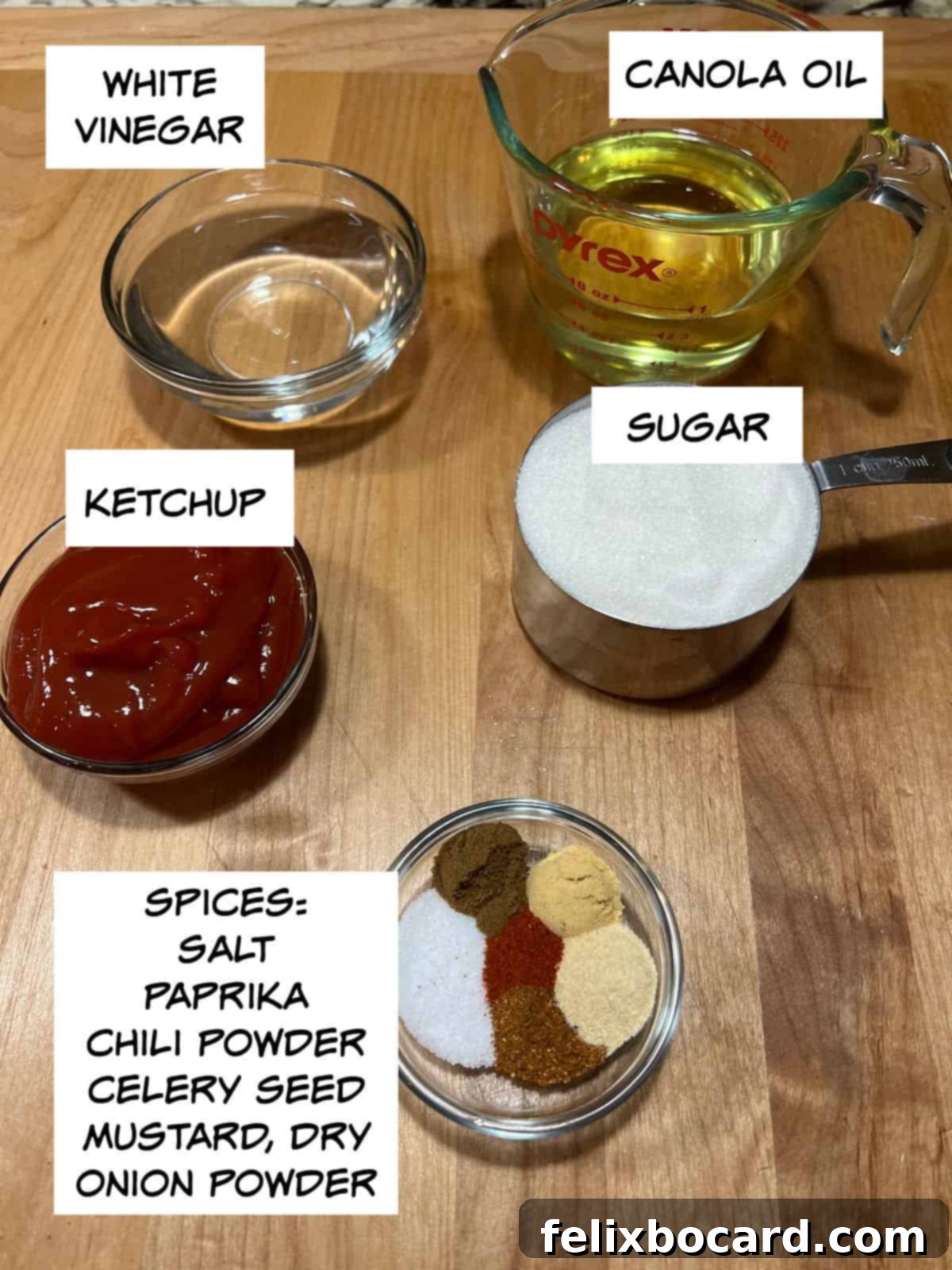
- Sugar: This is the backbone of the “sweet” in Sweet and Tangy Salad Dressing. It balances the acidity of the vinegar and ketchup, creating a harmonious flavor profile. While the recipe calls for a full cup, I’ve successfully experimented with ¾ cup for a reduced-sugar option, which is still quite delicious.
- Salt: Essential for enhancing all the other flavors. Don’t underestimate its power to make the sweet sweeter and the tangy tangier.
- Smoked Paprika: This is a secret weapon that adds a wonderful smoky depth and a vibrant red hue. It contributes to the “slightly spicy” element and provides a beautiful richness to the dressing.
- Chili Powder: Offers a gentle warmth and a subtle kick, rounding out the spice profile without making the dressing overtly hot. It’s crucial for that classic Catalina zing.
- Ground Celery Seed: A lesser-known hero, celery seed introduces a unique, earthy, and slightly bitter note that adds complexity and a fresh undertone, preventing the dressing from being one-dimensional.
- Dry Mustard: Provides a pungent, sharp flavor that cuts through the sweetness and tang, adding another layer of depth. It also acts as an emulsifier, helping the dressing stay together.
- Onion Powder: Delivers a concentrated onion flavor without the bulk or texture of fresh onion, ensuring a smooth dressing. It adds a savory, aromatic foundation.
- White Vinegar: The primary source of tanginess. White vinegar is crisp and clean, providing the necessary acidity to brighten the dressing. You could experiment with apple cider vinegar for a slightly fruitier tang.
- Ketchup: The star of the show! Ketchup provides the distinctive tomato base, rich color, and inherent sweetness that defines Catalina dressing. Choose a high-quality ketchup for the best flavor.
- Canola Oil: A neutral-flavored oil that forms the emulsified base of the dressing, carrying the flavors and contributing to a smooth, pourable consistency. Vegetable oil or a light olive oil can also be used.
Gathering these simple ingredients is the first step towards creating a truly exceptional homemade salad dressing that you’ll be proud to serve.
How to Make the Best Catalina Dressing: Step-by-Step Guide
Preparing this easy Catalina dressing is so straightforward, you’ll likely wonder why you ever bought it from a bottle! The process is streamlined thanks to the power of a blender, ensuring a perfectly smooth and emulsified dressing every time.
- Measure and Combine: Begin by accurately measuring all the ingredients into your blender jar. This includes the sugar, salt, paprika, chili powder, ground celery seed, dry mustard, onion powder, white vinegar, ketchup, and canola oil. Precision in measurement ensures the perfect balance of flavors that define this sweet and tangy dressing. Don’t worry about stirring them beforehand; the blender will do all the heavy lifting.
- Blend Until Smooth: Secure the lid on your blender. Process the ingredients on high speed for a good 30 to 60 seconds. The goal here isn’t just to mix, but to thoroughly combine and emulsify all components. Blending for this duration ensures that the sugar fully dissolves, the spices are evenly distributed, and the oil and vinegar create a cohesive, slightly thick dressing rather than separating. You’ll notice the color become a uniform, vibrant reddish-orange, and the texture will transform from liquid ingredients into a rich, pourable consistency.
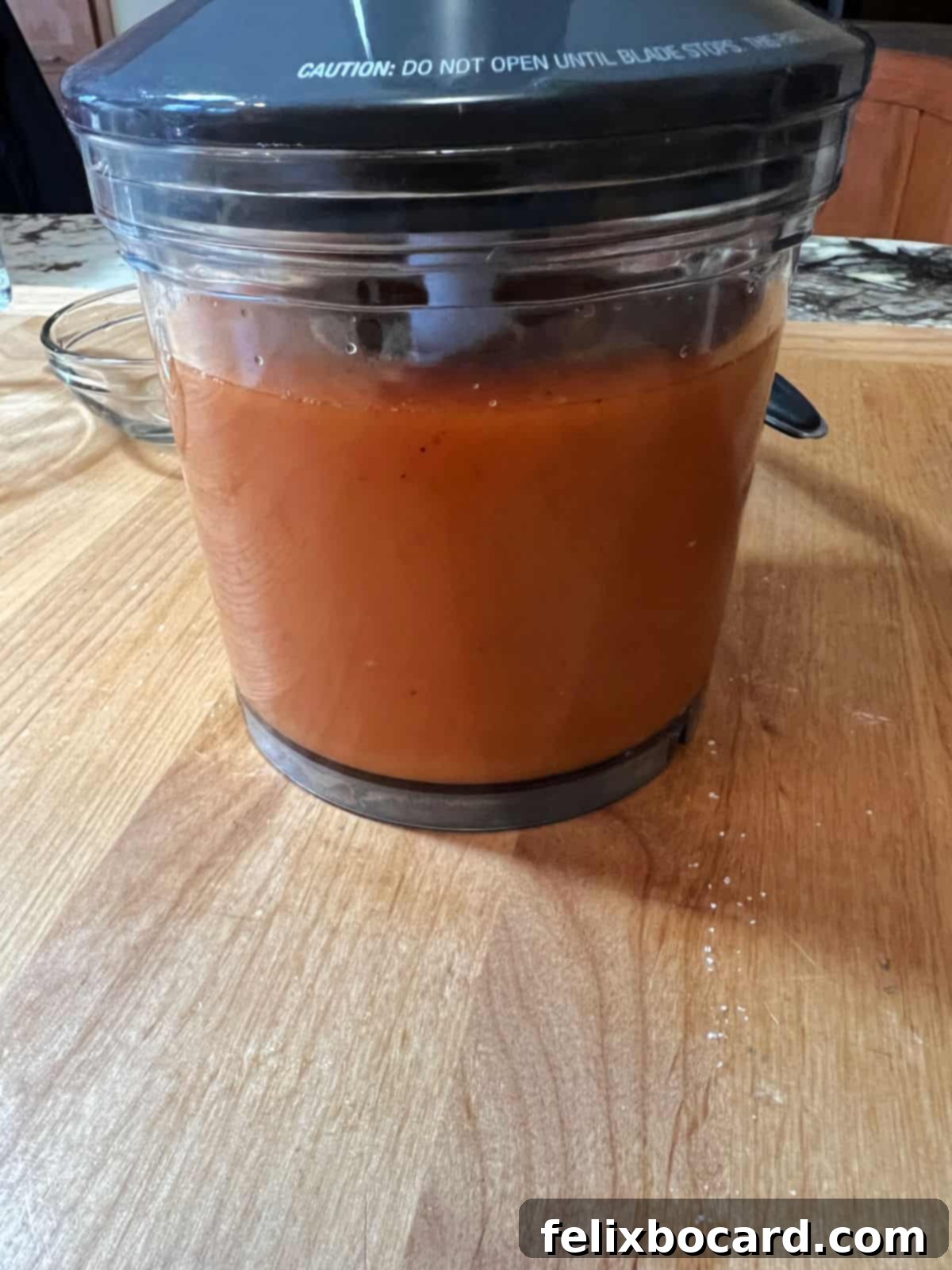
- Check Consistency: Once blended, remove the blender cover. You should be greeted with a slightly thick, glossy dressing. This perfect consistency is ideal for spooning over your favorite salads or drizzling generously. If you find it too thick for your preference, you can add a tiny bit more vinegar or water, a teaspoon at a time, and blend briefly again until you achieve your desired flow. Conversely, if it seems too thin, a tiny drizzle more oil and a quick re-blend can sometimes help, though this recipe is formulated for optimal thickness.
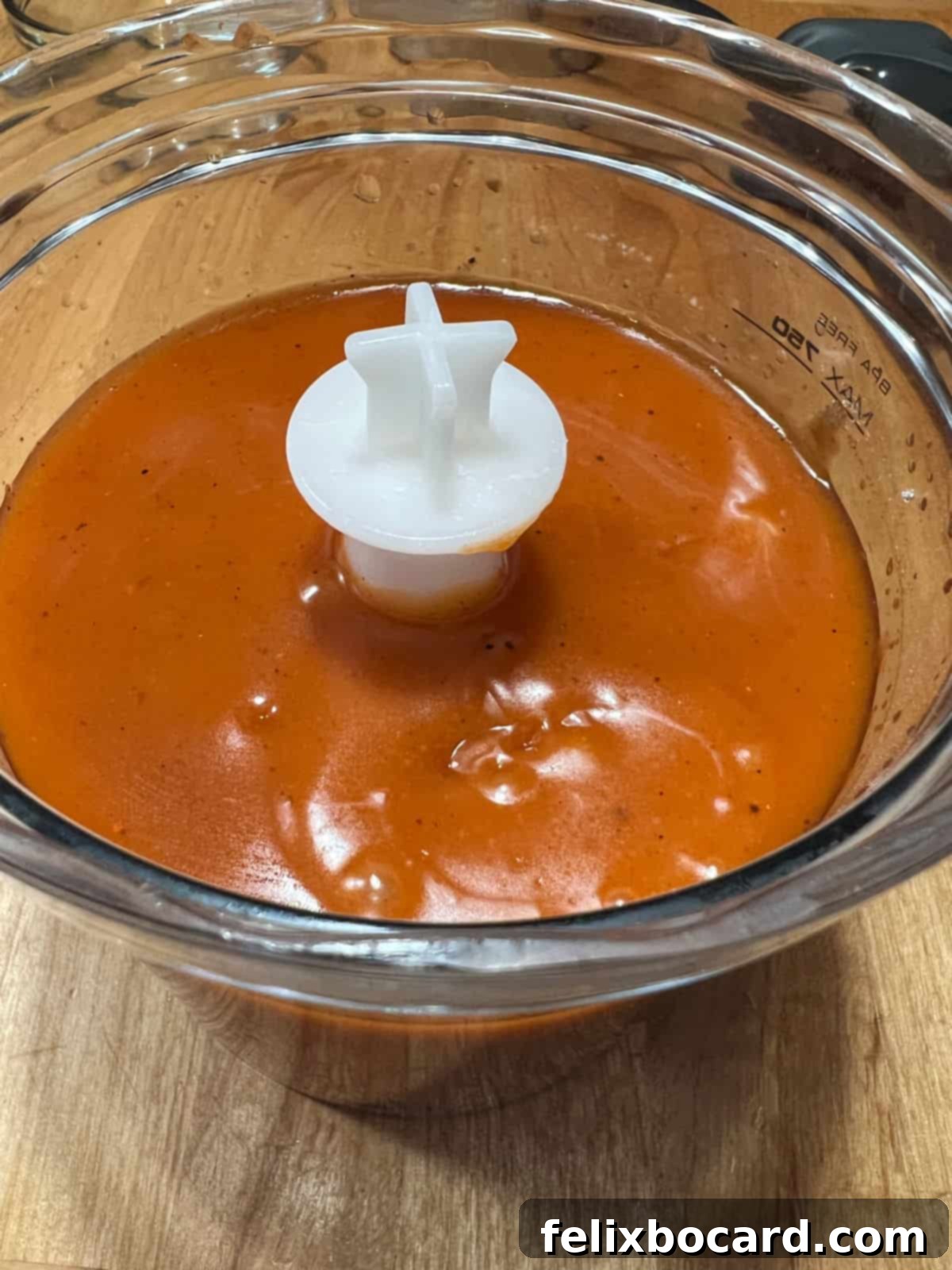
That’s it! In less than five minutes, you’ve created a fresh, flavorful, and incredibly versatile Catalina salad dressing that will undoubtedly become a staple in your kitchen.
How to Store Homemade Catalina Dressing for Optimal Flavor
Once your homemade Catalina dressing is blended to perfection, proper storage is key to ensuring its flavors deepen and meld beautifully, and to maintain its freshness. For the absolute best flavor experience, it’s highly recommended to transfer the freshly made dressing into an airtight container, such as a glass jar with a tight-fitting lid, and refrigerate it for at least an hour before serving. This crucial resting period allows all the individual ingredients – the sweet sugar, tangy vinegar, rich ketchup, and aromatic spices – to fully develop and integrate, resulting in a more complex and harmonious taste profile.
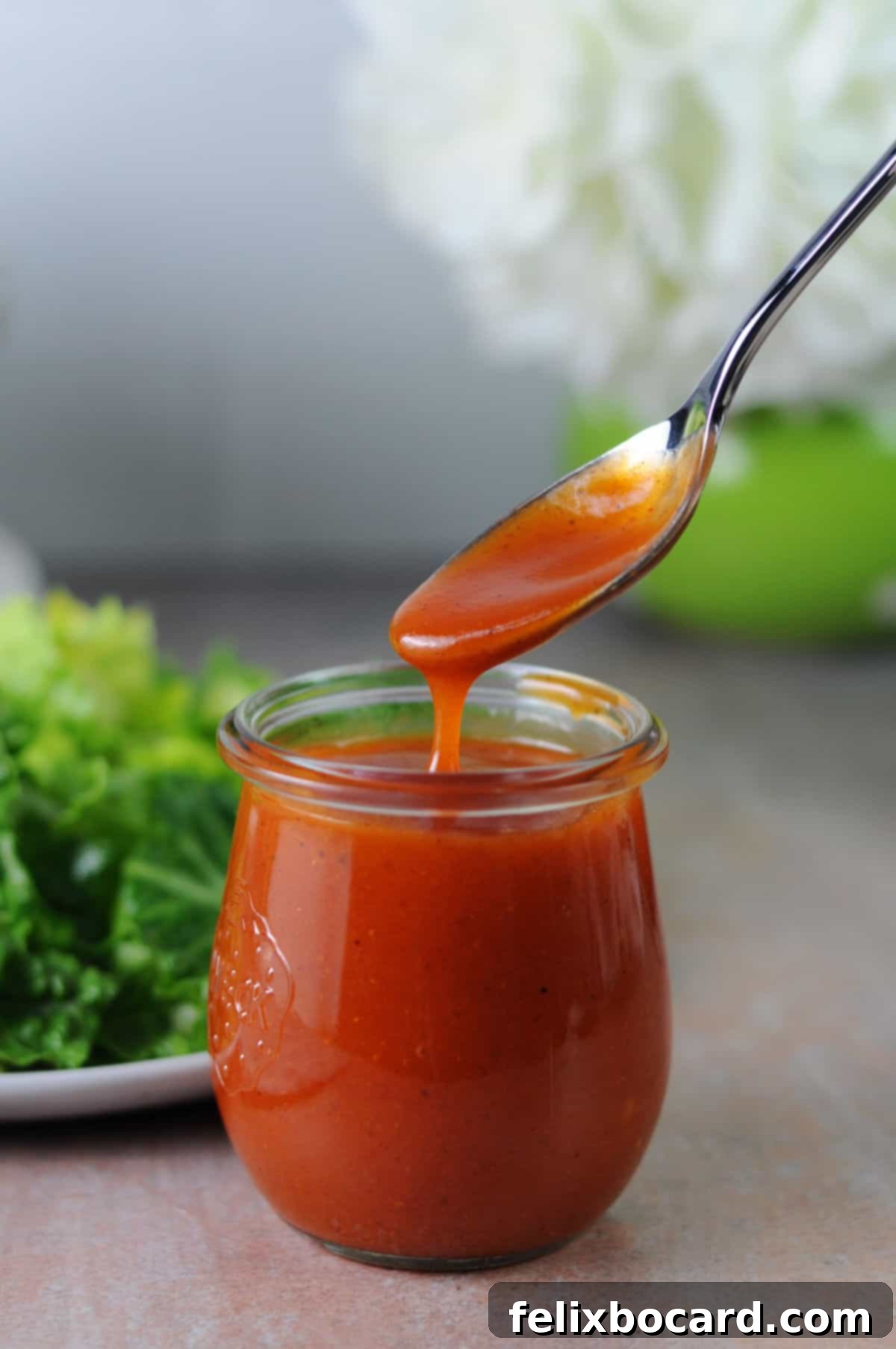
When stored correctly in the refrigerator, this best Catalina dressing will maintain its quality and vibrant flavor for up to two weeks. Always give it a good shake or a quick whisk before each use, as some natural separation of ingredients might occur, especially if it’s been sitting for a while. This quick agitation will re-emulsify the dressing and ensure every pour is as delicious as the first. Using clean, sterilized jars can also help extend its shelf life, keeping your delicious creation fresh and ready for whenever a salad craving strikes. This extended shelf life makes it an excellent option for meal prepping throughout the week.
Catalina Salad Dressing Recipe Tips and Customization Tricks
This Catalina salad dressing recipe is wonderfully forgiving and adaptable, allowing you to tailor it to your exact preferences. Here are some invaluable tips and tricks to make it truly your own:
- Yield and Versatility: This recipe generously yields approximately 20 ounces of dressing, which is more than enough for several family-sized salads. For instance, my popular Dorito Taco Salad recipe typically uses about 16 ounces (2 cups), leaving you with a delightful surplus to experiment with! Don’t limit yourself to taco salads; this dressing is fantastic on virtually any green salad, especially those featuring grilled chicken, hard-boiled eggs, or even a simple mix of fresh vegetables. It’s also an excellent marinade for chicken or pork, imparting a sweet and tangy flavor.
- Adjusting Sweetness: The recipe calls for a full cup of sugar, which contributes significantly to its signature sweet and tangy profile. However, if you prefer a less sweet dressing or are monitoring your sugar intake, don’t hesitate to reduce it. I’ve personally tried it with ¾ cup of sugar, and it was still quite delicious and well-balanced. You can even start with ¾ cup and add more to taste after a quick blend. Remember, taste as you go!
- Spice Level Customization: The paprika and chili powder provide a subtle warmth. If you enjoy more heat, consider adding a pinch more chili powder, a dash of cayenne pepper, or even a tiny amount of hot sauce to the blender. For a milder version, you can slightly reduce the chili powder.
- Vinegar Variations: While white vinegar offers a crisp, clean tang, you could experiment with other types. Apple cider vinegar would lend a slightly fruitier note, or a mild red wine vinegar could add a different depth. Just be mindful that stronger vinegars might require a slight adjustment to the sugar to maintain balance.
- Emulsification Enhancers: For an even creamier, more stable emulsion, you can add a small amount of Dijon mustard (in addition to the dry mustard) or a tablespoon of mayonnaise to the blend. These ingredients contain emulsifiers that help keep the oil and vinegar from separating.
- Herb Additions: While delicious as is, feel free to add fresh or dried herbs for extra flavor. A touch of dried oregano, thyme, or even a sprig of fresh cilantro (if using for a taco salad) could complement the existing spices beautifully.
By keeping these tips in mind, you can truly personalize this homemade Catalina dressing, ensuring it’s always the perfect complement to your culinary creations.
Explore More Delightful Salad Dressings
If you’ve enjoyed the process of making this easy Catalina dressing and the superior flavor of homemade condiments, you’ll be thrilled to discover the world of other delicious dressings you can whip up at home. Expanding your repertoire of homemade dressings not only adds variety to your meals but also ensures you’re always serving fresh, additive-free options. Each recipe offers a unique flavor profile to complement different salads and culinary uses.
- Raspberry Balsamic Vinaigrette
- Meyer Lemon Vinaigrette Salad Dressing
- Red Wine Shallot Vinaigrette
- Homemade Balsamic Vinaigrette Salad Dressing
📖 Recipe: Homemade Sweet Catalina Salad Dressing

Print
Pin it!
Save
Homemade Sweet Catalina Salad Dressing
Ingredients
- 1 cup sugar
- 1 ½ teaspoon salt
- ⅛ teaspoon paprika smoked
- ½ teaspoon chili powder
- ½ teaspoon ground celery seed
- ½ teaspoon dry mustard
- ½ teaspoon onion powder
- ½ cup white vinegar
- ⅔ cup ketchup
- ¾ cup canola oil
Instructions
- Place all ingredients into a blender.1 cup sugar, 1 ½ teaspoon salt, ⅛ teaspoon paprika, ½ teaspoon chili powder, ½ teaspoon ground celery seed, ½ teaspoon dry mustard, ½ teaspoon onion powder, ½ cup white vinegar, ⅔ cup ketchup, ¾ cup canola oil
- Blend 30 to 60 seconds, until fully combined.
- Store in the refrigerator at least one hour to allow the flavors to develop.
Nutrition
Nutrition values are estimates only, using online calculators. Please verify using your own data.