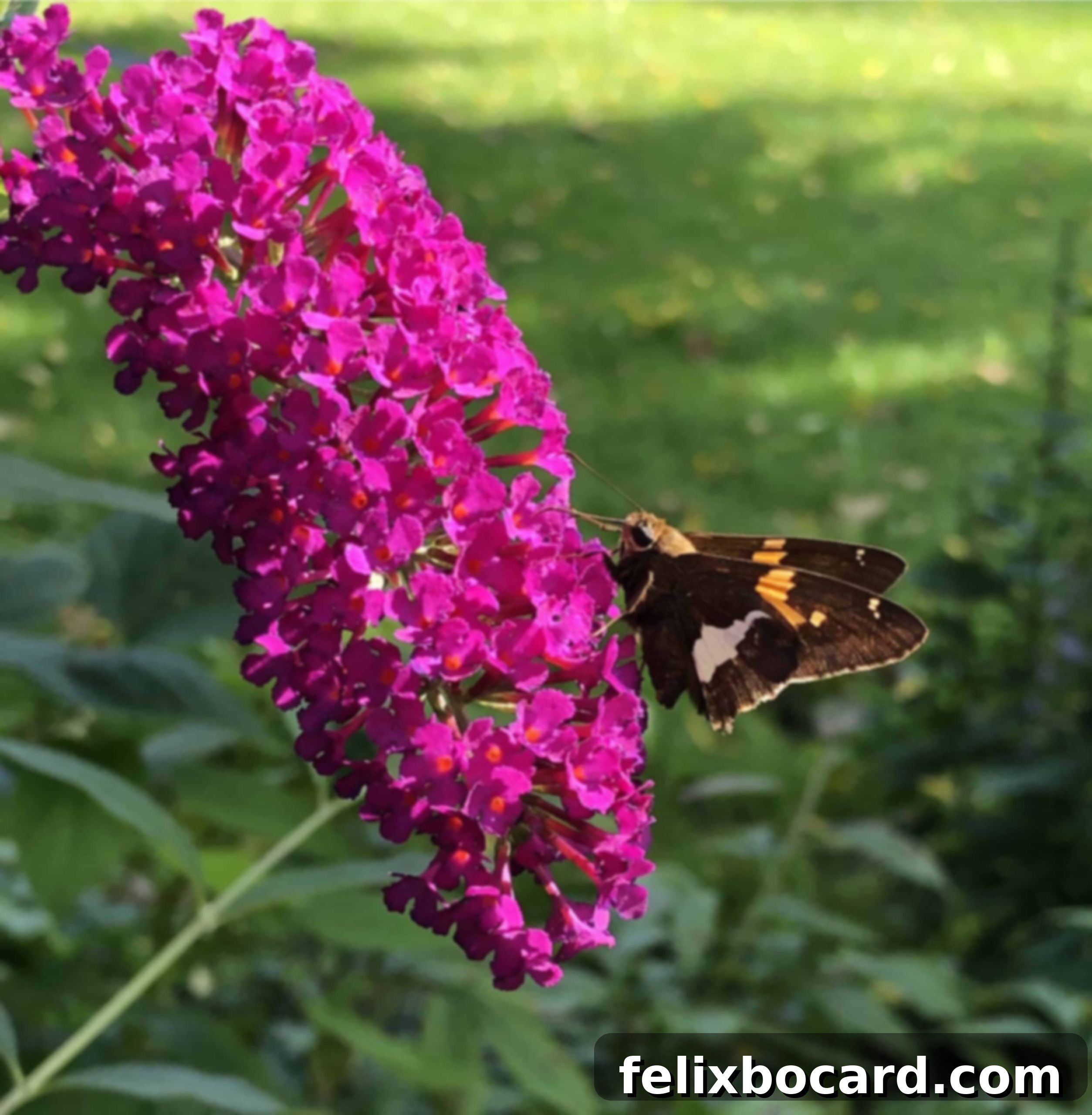
For several years now, a vision has been taking root in my mind: transforming my yard into a vibrant sanctuary for butterflies. The dream began subtly, with the planting of a single butterfly bush last year. Despite the anxieties that accompany any new planting – especially with the unpredictable shifts in weather like our recent polar vortex winter – I was immensely relieved and delighted to see it not only survive but thrive. This year, it has erupted in a spectacular display of beautiful, vibrant purple blooms, a truly heartwarming sight.
The success of that initial step has affirmed my commitment and heightened my appreciation for these delicate winged creatures. Witnessing the first fluttery visitors arrive, drawn by the sweet nectar of the blossoms, is an indescribable joy. It’s a powerful reminder of the profound connection we share with the natural world, even within the confines of our own gardens.
Creating a Haven: The Joys and Benefits of a Butterfly Garden
A butterfly garden is more than just a collection of pretty flowers; it’s a dynamic ecosystem designed to support the entire life cycle of these fascinating insects. Beyond their undeniable beauty, butterflies play a crucial role as pollinators, contributing significantly to the health and diversity of our plant ecosystems. By creating a butterfly-friendly space, we’re not only inviting beauty into our lives but also actively participating in conservation efforts, providing much-needed habitats for species whose populations are increasingly under threat.
The journey to building such a garden is incredibly rewarding. It fosters a deeper understanding of nature, encourages sustainable gardening practices, and provides endless moments of wonder. Imagine stepping into your yard, not just to admire your plants, but to observe the intricate dance of monarchs, swallowtails, and painted ladies as they flit from flower to flower. It’s a living, breathing spectacle that changes with the seasons.
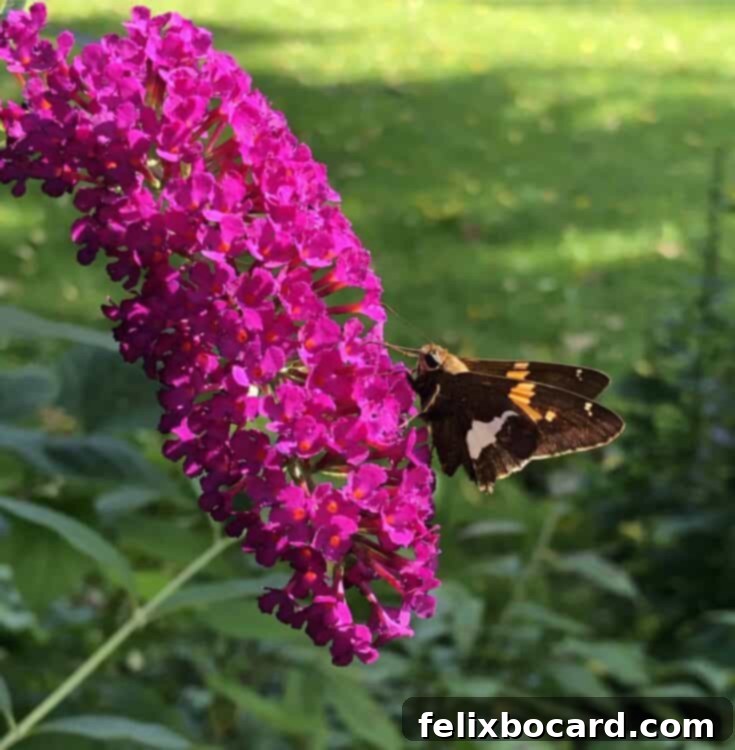
This morning’s visitor, a striking Eastern Tiger Swallowtail, certainly seems to approve of the new additions to the garden!
Essential Elements for a Thriving Butterfly Garden
Transforming your garden into a butterfly magnet involves more than just planting a few flowers. It requires a thoughtful approach that considers the complete needs of butterflies throughout their life cycle. Here’s a comprehensive guide to the key components:
1. Nectar Plants: Fueling the Adults
Adult butterflies primarily feed on nectar, a sugary liquid produced by flowers. Providing a continuous supply of nectar-rich blooms from spring through fall is paramount. When selecting plants, aim for a variety of flower shapes, sizes, and colors to cater to different butterfly species. Some excellent choices for a vibrant butterfly garden include:
- Butterfly Bush (Buddleja davidii): As I discovered with my own plant, these are true magnets for butterflies, offering abundant nectar. Its vibrant purple blooms are a particular favorite.
- Coneflowers (Echinacea purpurea): These sturdy perennials provide a long season of bloom and are highly attractive to a wide range of pollinators.
- Zinnias: Easy to grow from seed, zinnias offer a profusion of colorful blooms that butterflies adore.
- Salvia: Many varieties of salvia, particularly those with tubular flowers, are excellent nectar sources.
- Lantana: Known for their clusters of small, colorful flowers, lantana are heat-tolerant and popular with butterflies.
- Milkweed (Asclepias species): Beyond being a host plant for Monarchs (more on this below), many milkweed varieties also produce nectar for adult butterflies.
- Bee Balm (Monarda): With its unique tubular flowers, bee balm attracts not only butterflies but also hummingbirds and bees.
- Sedum: Late-blooming sedums provide crucial nectar for butterflies preparing for migration or late-season activity.
Consider planting nectar sources in drifts or clusters rather than scattered individual plants. This creates a larger visual target for butterflies and makes foraging more efficient, guiding them directly to their food source.
2. Host Plants: Nurturing the Caterpillars
This is arguably the most critical and often overlooked aspect of a successful butterfly garden. Butterflies are very particular about where they lay their eggs, as their caterpillars will only feed on specific “host plants.” Without these plants, butterflies cannot complete their life cycle. If you truly want to see butterflies *reproduce* and thrive in your garden, including host plants is non-negotiable.
- Milkweed (Asclepias species): Absolutely essential for Monarch butterflies. Plant common milkweed, swamp milkweed, or butterfly weed to support their entire life cycle.
- Parsley, Dill, Fennel, Queen Anne’s Lace: These aromatic herbs and wildflowers are host plants for the gorgeous Black Swallowtail butterfly.
- Spicebush: A specific host plant for the striking Spicebush Swallowtail.
- Pussy Willow: Host plant for the beautiful Viceroy butterfly.
- Native Grasses: Many Skipper butterflies utilize various native grasses as their host plants, highlighting the importance of biodiversity.
- Oak, Cherry, Birch Trees: Surprisingly, many common trees serve as host plants for a vast number of moth and butterfly species, playing a foundational role in the ecosystem.
Remember that caterpillars *will* eat these plants. Embrace the chewed leaves as a positive sign of a healthy, functioning ecosystem actively supporting new life!
3. Water Source: A Puddling Station
Butterflies don’t drink water in the same way birds do. Instead, they “puddle,” extracting moisture and essential minerals from damp soil or mud. A simple puddling station can be created with a shallow dish filled with sand or gravel, kept consistently moist. Alternatively, a small, damp patch of earth will suffice. Avoid deep water, as butterflies can easily drown.
Adding a few flat rocks where water can collect after rain also provides beneficial spots for them to land and bask while hydrating.
4. Shelter and Sun: Creating an Optimal Environment
Butterflies are cold-blooded and need ample sunshine to warm their bodies before they can fly. Choose a sunny location for your garden, ideally one that receives at least six hours of direct sunlight per day. Incorporate flat stones or large rocks strategically throughout the garden to provide convenient basking spots.
They also need shelter from strong winds and predators. A thoughtful mix of taller plants, dense shrubs, and even small trees can provide necessary refuge. Dense foliage offers vital protection during inclement weather and provides safe roosting spots at night, especially during cooler evenings.
5. Avoid Pesticides: A Life-Saving Rule
This is non-negotiable for any butterfly-friendly garden. Pesticides, insecticides, and herbicides are indiscriminate killers. They will harm or kill not only garden pests but also beneficial insects like butterflies, their caterpillars, and other vital pollinators. Embrace organic gardening practices and learn to tolerate a certain level of insect activity. A healthy, balanced garden ecosystem often manages its own pest control naturally through beneficial predatory insects.
6. Native Plants: The Best Choice for Local Ecosystems
Whenever possible, prioritize native plants for your butterfly garden. They are naturally adapted to your local climate and soil conditions, generally requiring less water and maintenance than non-native species. More importantly, native plants have co-evolved with native insect species, meaning they are often the most effective nectar and host plants for the butterflies in your region. This symbiotic relationship ensures maximum benefit for local biodiversity.
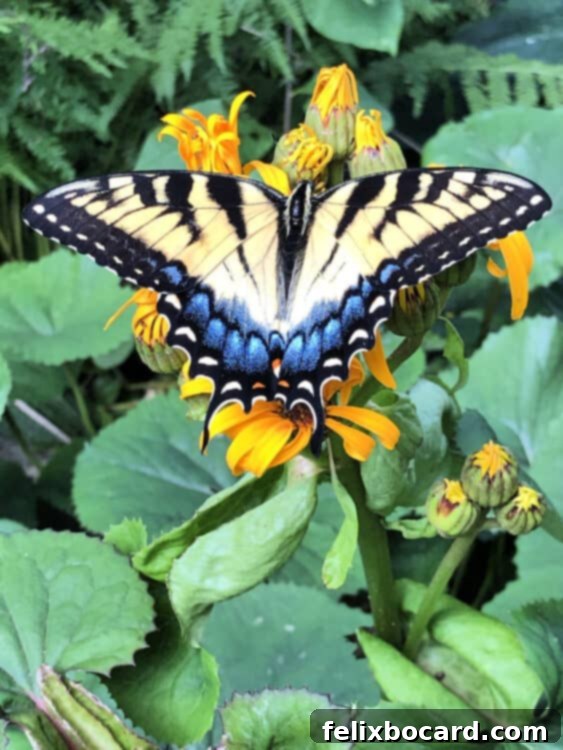
An exciting update: This afternoon, my garden welcomed another stunning visitor, likely another member of the Swallowtail family, gracefully exploring a different, vibrant flower – perhaps a Ligularia. It seems my efforts are truly transforming the garden into a popular destination for these exquisite insects!
Designing and Maintaining Your Butterfly Oasis
Once you understand the basic requirements, the fun of designing your garden begins. Consider plant height, bloom times, and harmonious color combinations to create an aesthetically pleasing and functional space. Create layered plantings, with shorter plants in the front and taller ones in the back, to provide visual interest and varied habitats for different species. Don’t be afraid to experiment and observe what works best in your specific microclimate.
Maintenance for a butterfly garden is generally minimal and often involves a less “manicured” approach. Deadheading spent flowers can encourage more blooms, extending the nectar supply throughout the season. Resist the urge to be too tidy, especially in the fall. Leaving some fallen leaves and spent plant stalks over winter provides crucial shelter for overwintering eggs, larvae, and pupae. Spring clean-up should be delayed until temperatures are consistently above 50°F (10°C) to allow any overwintering insects to emerge safely and complete their development.
Identifying Our Fluttery Friends: A Guide to Garden Visitors
Part of the profound joy of cultivating a butterfly garden is learning to identify your visitors. This knowledge deepens your connection to nature and allows you to appreciate the specific needs and life cycles of each species. The first butterfly pictured in my garden, with its striking yellow and black stripes, prominent “tails” on its hindwings, and a few blue and red markings, is almost certainly an Eastern Tiger Swallowtail (Papilio glaucus). These are common and spectacular butterflies found across eastern North America. They are known for their strong, elegant flight and often visit a wide variety of nectar-rich flowers.
The second butterfly, also displaying the characteristic swallowtail shape, appears to be another member of the Swallowtail family. Given its overall form and coloration on what looks like a Ligularia plant, it could potentially be a Black Swallowtail or a different variant of the Tiger Swallowtail. Observing the specific markings, particularly on the hindwings, and the precise color patterns are key to distinguishing between species. A good field guide or an online identification app can greatly enhance your butterfly watching experience, helping you to pinpoint the exact species and learn more about their unique behaviors.
You’ll be amazed at the diversity of species that can visit a well-planned and welcoming garden – each a tiny miracle of nature right at your doorstep.
Join the Butterfly Conservation Movement!
Creating a butterfly-friendly garden is a personal act with broader ecological impact. It’s an easy, incredibly rewarding, and accessible way to contribute to biodiversity and conservation efforts directly from your home. Every plant you choose, every pesticide you avoid, makes a tangible difference in supporting these vital pollinators and the delicate balance of our ecosystems.
Are there any other passionate butterfly fans out there? I would genuinely love to hear about your experiences and discoveries. What are your go-to plants for attracting these magnificent creatures in your region? Do you have any unique tips or tricks for creating an irresistible butterfly habitat that you’ve found particularly successful? Please share your insights and stories in the comments below. Let’s learn from each other and foster even more vibrant, butterfly-filled landscapes within our communities!
Together, we can create a network of lush, welcoming spaces that ensure the continued beauty and ecological importance of butterflies for generations to come. The sight of a butterfly gracefully landing on a flower, an everyday miracle unfolding in my own backyard, is a constant source of inspiration and a testament to the profound power of thoughtful, nature-conscious gardening.