Building on the simplicity of homemade vegetable broth, which has become a staple in my kitchen, today we delve into the world of bone broth. Often hailed as a superfood and a cornerstone of traditional diets, this nutrient-dense liquid is surprisingly easy to prepare and offers a myriad of health benefits. Forget complex techniques; we’ll explore a straightforward method for crafting this healing elixir right in your own slow cooker.
Understanding Bone Broth: A Foundation for Wellness
At its core, bone broth is a savory, protein-rich liquid made by simmering animal bones and connective tissues for an extended period. Unlike basic stock, which is cooked for a shorter duration primarily for flavor, bone broth is cooked much longer to extract maximum nutrients, including collagen, amino acids, and vital minerals. This slow, gentle process transforms humble ingredients into a powerhouse of wellness, offering a versatile base for countless recipes or a comforting drink on its own.
Unlocking the Health Benefits of Bone Broth
The nutritional profile of bone broth is genuinely impressive, with its specific composition depending on the types of bones and additional ingredients used. However, it generally provides a wealth of beneficial compounds. Let’s explore the key components and their associated health advantages:
Nutrients Extracted from Quality Ingredients:
- From the Bones: Animal bones are rich in essential minerals such as calcium, phosphorus, magnesium, potassium, sulfur, and silicon. These minerals are crucial for maintaining strong bones, nerve function, muscle contraction, and overall metabolic health.
- From the Marrow: Bone marrow, often considered a delicacy, is a treasure trove of nutrients. It supplies fat-soluble vitamins like Vitamin A and Vitamin K, as well as vital Omega-3 and Omega-6 fatty acids. Additionally, marrow contributes trace minerals such as iron, zinc, selenium, boron, and manganese, all of which play critical roles in immune function, hormone regulation, and antioxidant defense.
- From Connective Tissue: The ligaments, tendons, and cartilage simmered in bone broth release compounds like glucosamine and chondroitin. These are well-known dietary supplements frequently used to support joint health and alleviate symptoms associated with arthritis and joint pain. They are the building blocks of healthy cartilage.
- From All Sources (Collagen & Gelatin): Perhaps the most celebrated component is collagen. During the long simmering process, collagen breaks down into gelatin. Gelatin is unique for its distinctive amino acid profile, being particularly rich in glycine and proline. Glycine is an essential amino acid involved in protein synthesis, detoxification pathways, and neurotransmitter function, making gelatin a crucial element for numerous bodily processes.
Transformative Health Benefits of Regular Bone Broth Consumption:
Incorporating bone broth into your diet is believed to offer a wide array of health improvements, supported by both traditional wisdom and emerging scientific research:
- Anti-inflammatory Effects: The high concentration of glycine in bone broth may exhibit significant anti-inflammatory and antioxidant properties. This can help reduce systemic inflammation, potentially easing symptoms of chronic conditions and promoting overall well-being.
- Supports Weight Management: Bone broth is remarkably low in calories yet highly satiating due to its gelatin content and protein. Drinking a cup before meals can help you feel fuller for longer, reducing overall calorie intake and supporting healthy weight loss or maintenance goals without sacrificing essential nutrients.
- Promotes Joint Health and Comfort: The natural presence of glucosamine and chondroitin, along with collagen, provides critical support for joint integrity. These compounds have been shown to maintain healthy cartilage, reduce joint stiffness, and lessen the discomfort associated with osteoarthritis and general wear-and-tear.
- Strengthens Bone Density: With an abundance of calcium, magnesium, and phosphorus, bone broth provides many of the raw materials necessary for building and maintaining strong bones. Regular consumption can contribute to better bone density and help prevent age-related bone loss.
- Enhances Sleep Quality and Brain Function: Glycine, a prominent amino acid in bone broth, has been extensively studied for its positive impact on sleep. Consuming glycine before bedtime can help improve sleep quality, reduce daytime sleepiness, and enhance cognitive function and memory.
- Boosts Gut Health: This is arguably one of the most acclaimed benefits. The gelatin in bone broth helps to seal and heal the gut lining, a condition often referred to as “leaky gut syndrome.” By supporting the integrity of the intestinal barrier, bone broth can aid digestion, reduce inflammation in the gut, and improve nutrient absorption, leading to a healthier digestive system overall.
- Supports Skin, Hair, and Nail Health: As a rich source of collagen, bone broth is a natural beauty enhancer. Collagen is vital for skin elasticity, hydration, and the reduction of fine lines and wrinkles. It also contributes to stronger nails and healthier, more lustrous hair.
- Strengthens the Immune System: A healthy gut is intrinsically linked to a strong immune system. By healing the gut, bone broth indirectly fortifies the body’s defenses. The amino acids also play roles in reducing illness-causing inflammation.
(Source: Healthline.com, further research on gut health and collagen benefits)
Crafting Nutritious Bone Broth in Your Slow Cooker
In recent years, bone broth has surged in popularity across health and wellness communities, leading to countless methods for its preparation. While many techniques exist, my preferred approach, especially for busy individuals, is the slow cooker method. This method is inspired by Dr. Kulreet Chaudhary’s insightful book, “The Prime: Prepare and Repair Your Body for Spontaneous Weight Loss.” Chaudhary, a Western-trained neurologist, shares a compelling journey of healing through Ayurvedic medicine, initially resisting but ultimately embracing bone broth into her vegan diet to achieve profound health improvements.
What I particularly appreciate about her approach, and what I integrate into my recipe, is the addition of vegetables. While bones are the star, adding aromatic vegetables like carrots, celery, and onions, along with fresh herbs like parsley, infuses the broth with even more vitamins, minerals, and a richer flavor profile. It’s a holistic method that maximizes both nutrition and taste.
The versatility of bone broth extends beyond just one cooking appliance. If you’re a fan of high-pressure cooking, you might also enjoy my adapted recipe for Instant Pot Turkey Bone Broth, which offers a faster, yet equally delicious, alternative.
Selecting the Best Bones for Your Broth:
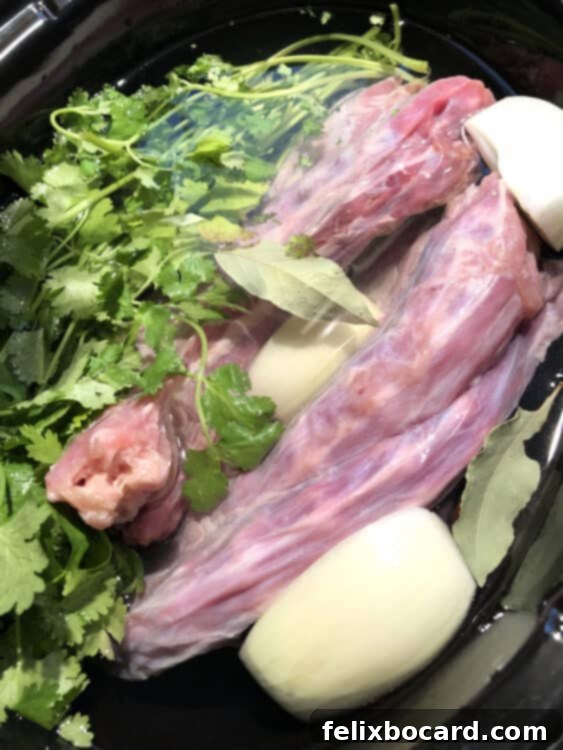
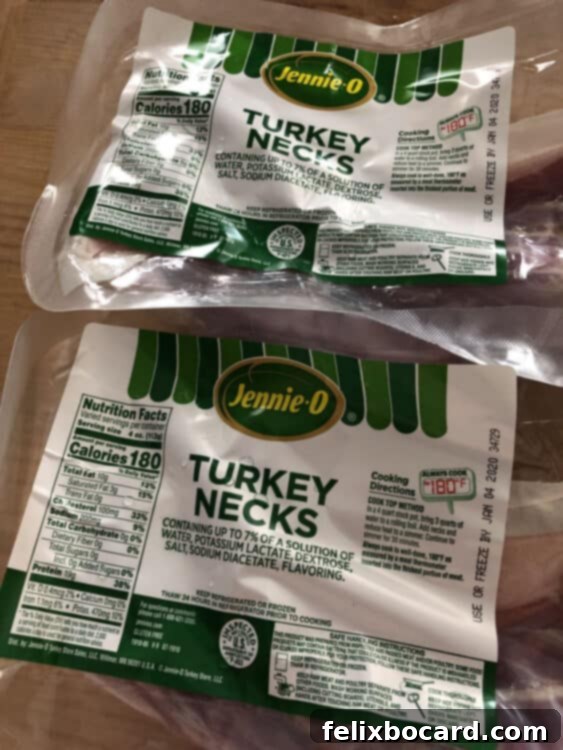
The quality of your bone broth starts with the bones themselves. I typically opt for chicken or turkey necks, wings, or backs for a poultry-based broth. These parts are rich in collagen and connective tissue, which contribute to a gelatinous, nutrient-dense broth. Remember to save the neck from your Thanksgiving turkey; it’s perfect for this! For a richer, beefier flavor, I sometimes use oxtails or knuckle bones, preferably from grass-fed, organic sources to ensure the highest quality.
A crucial ingredient in all bone broth recipes is a small amount of apple cider vinegar. This acidic component plays a vital role in drawing out the valuable minerals and collagen from the bones and tissues during the simmering process, ensuring your broth is as nutrient-dense as possible. And speaking of simmering, the key to a truly exceptional bone broth is patience. This isn’t a quick stock; it requires a considerably long cooking process – I mean *lonnnnng*, often spanning 24 to 48 hours. This is precisely where the slow cooker becomes your best friend.
My typical routine involves setting the slow cooker on its lowest heat setting for the maximum available cycle, usually around 10 hours. Once this cycle completes, my cooker conveniently switches to a “warm” setting, preventing the broth from cooling too quickly. I usually initiate the cooking in the evening, allowing it to run overnight. The next morning, I’ll restart another long cycle, and then a final cycle in the evening. By the morning of the third day, I’ll turn the slow cooker off completely, letting the broth cool down gradually before moving on to straining and storage.
For storage, just like with my vegetable broth, I prefer using freezer-safe plastic quart containers. Before transferring, I highly recommend straining the broth meticulously through cheesecloth. This step, which I’ve also started considering for my vegetable broth, effectively filters out any fine particulate matter, resulting in a much clearer, more refined broth that’s a pleasure to drink or use in recipes.
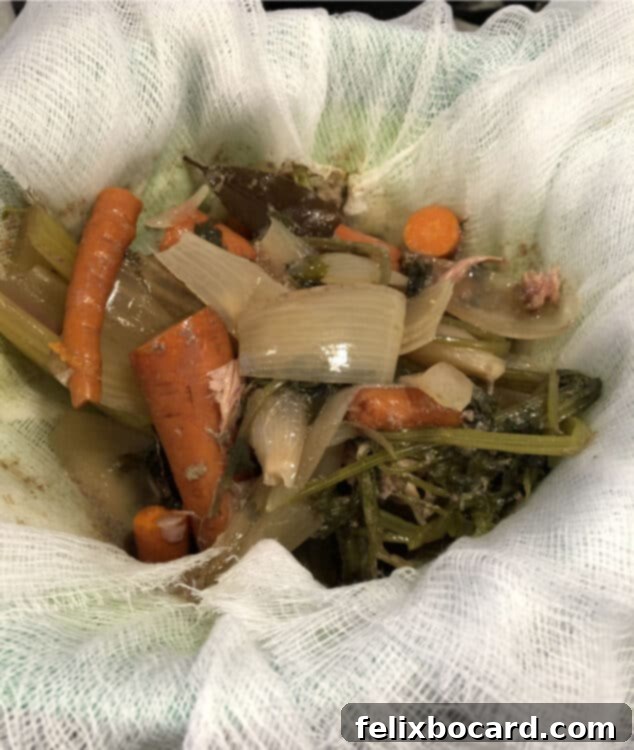

When freezing, I initially fill my containers only halfway. This small but important step prevents issues related to the expansion of liquids during freezing, ensuring your containers don’t crack and your broth remains intact.
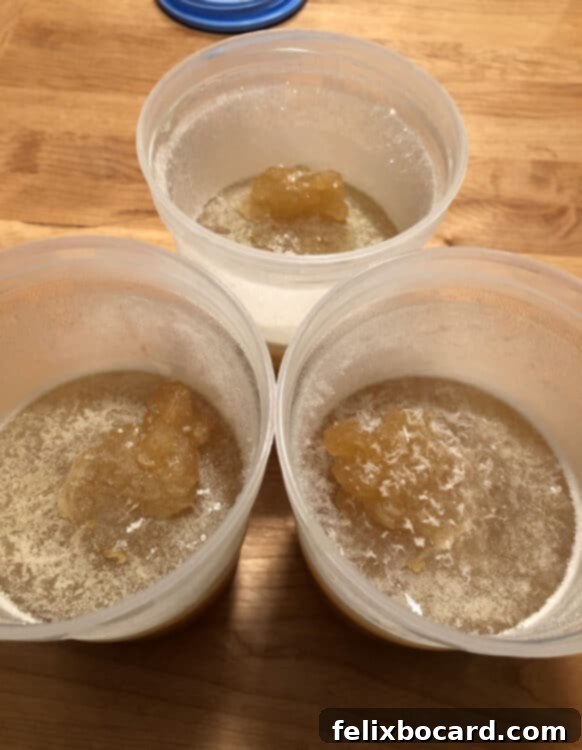
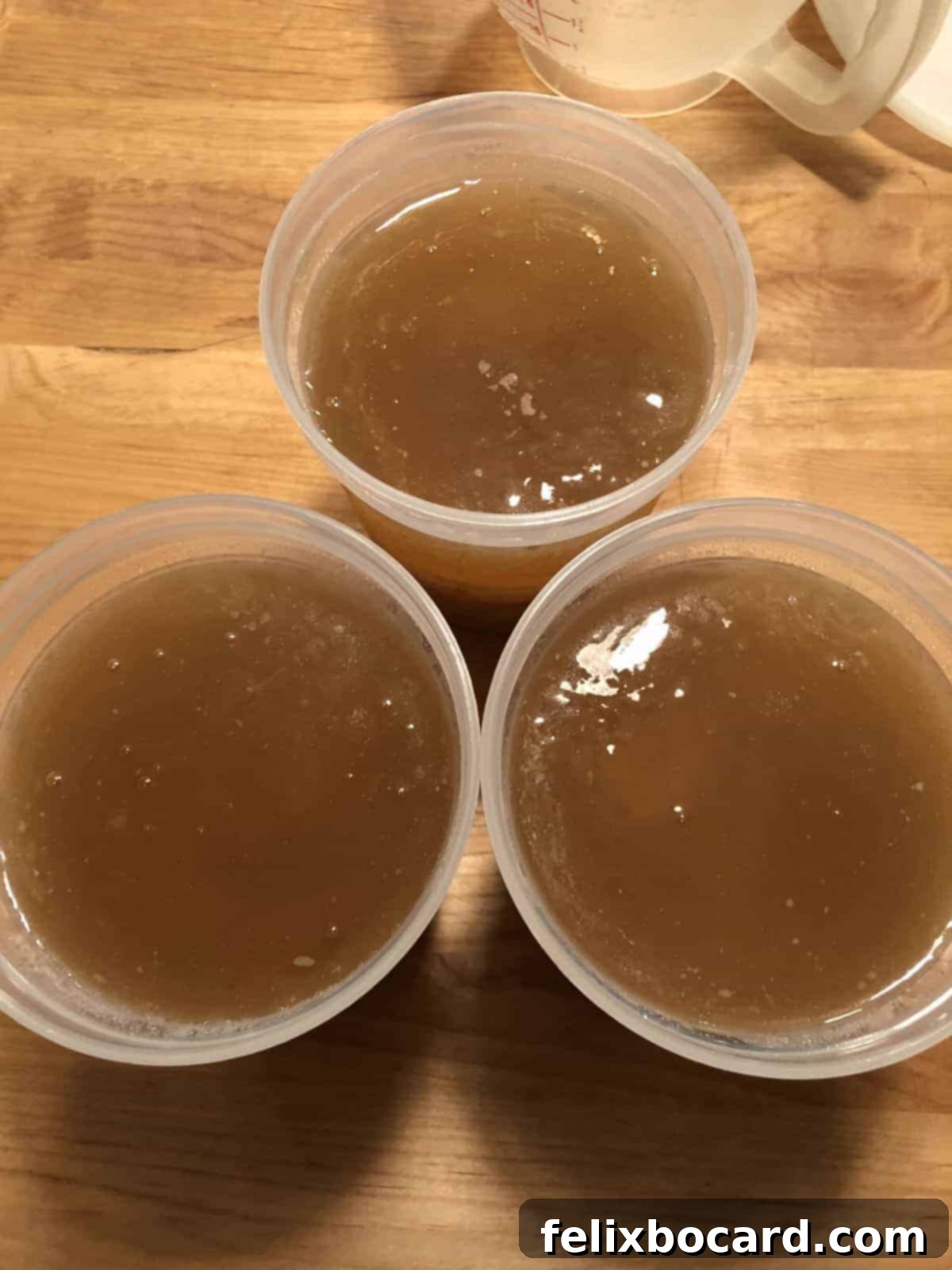
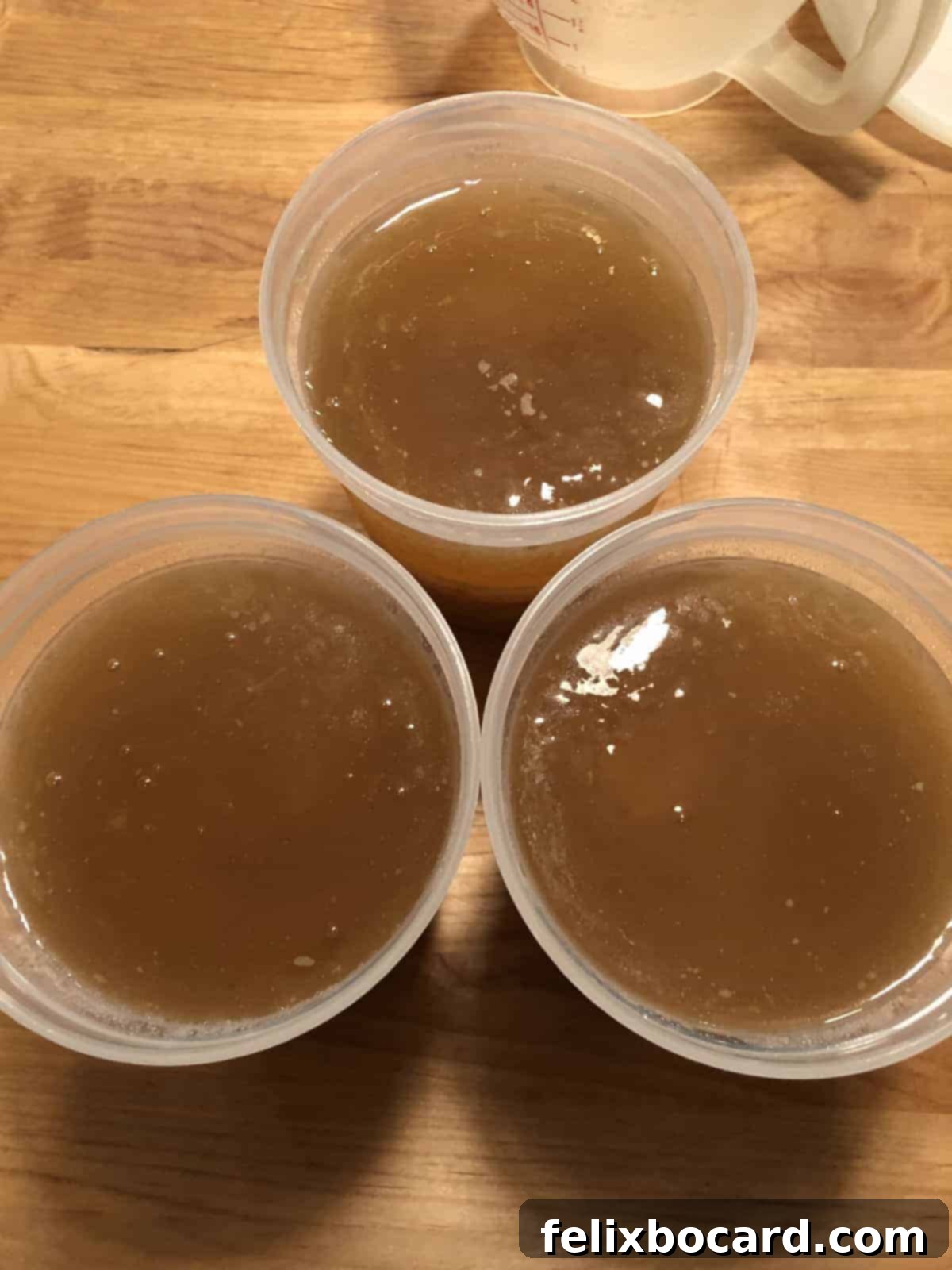
I typically freeze these partially filled containers overnight. The next day, I top them off with the remaining refrigerated broth. This two-step freezing process is practical and effective. Observing the refrigerated portion of the broth, you’ll easily notice its gelatinous quality – a clear indicator of a well-made, collagen-rich bone broth. This beautiful, shimmering texture is exactly what you want to see, signifying its potent healing properties.
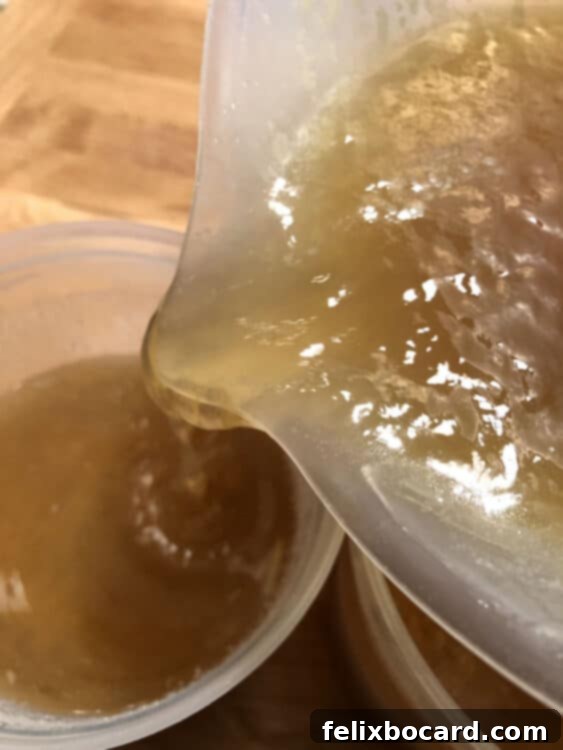
Every time I see this wonderfully jiggly, golden broth, I’m reminded of the incredible healing power it holds, especially for my joints!

Beyond being a comforting and nourishing beverage, homemade bone broth serves as a fantastic base for an endless variety of culinary creations. Sip it warm as a healthy pick-me-up, or use it to enrich other dishes. It’s superb in soups, like this Low Carb Chicken “Noodle” Soup, lending a depth of flavor and nutritional boost that store-bought broths simply can’t match. You can also get adventurous and use it to make unique dishes such as soup with stinging nettle! The possibilities are truly boundless.
Looking for even more ways to naturally boost your immunity and overall health? Consider trying lemon cinnamon water – a delicious and refreshing drink that offers its own unique array of health benefits.
📖 Recipe: Slow Cooker Bone Broth

Print
Pin it!
Save
Saved!
Bone Broth in a Crock Pot/Slow Cooker
5 minutes
10 minutes
1 day 12 hours
1 day 12 hours 15 minutes
Soup, Stock, Beverage
American, Global Health
3 quarts
34kcal
Sula
$5 – $15 (depending on bones)
Equipment
- Large Slow Cooker or Crockpot (6-quart or larger recommended)
- Fine-mesh sieve or colander
- Cheesecloth
- Freezer-safe containers (quart-sized)
Ingredients
- 3-4 lbs poultry bones (chicken or turkey necks, backs, wings; oxtails or beef knuckles for beef broth)
- 10-12 cups filtered water
- 2-3 bay leaves
- 2 medium carrots (roughly chopped)
- 2 celery ribs (roughly chopped)
- 1 large onion (peeled and quartered)
- 2 TB apple cider vinegar (helps extract minerals)
- 1 teaspoon sea salt (or to taste)
- ½-1 teaspoon whole peppercorns
- 1/2 bunch fresh parsley or other fresh herbs (optional, for added flavor and nutrients)
Instructions
- Combine Ingredients: Place all the bones, water, bay leaves, carrots, celery, onion, apple cider vinegar, salt, peppercorns, and optional fresh herbs into your slow cooker. Ensure the water covers all ingredients.

- Begin the Slow Simmer: Set your slow cooker to the “low” setting and select the longest available cooking cycle (typically 8-10 hours). Once the cycle is complete, restart it. Continue this process, simmering for a total duration of at least 24 hours, ideally up to 48 hours, for maximum nutrient extraction. Many slow cookers will automatically switch to a “warm” setting after a cycle, which is perfect for maintaining temperature between restarts.
- Cool and Strain: After the extended simmering period, turn off the slow cooker and allow the broth to cool down sufficiently. Once cooled, carefully separate the liquid broth from all the solid ingredients using a fine-mesh sieve or colander lined with cheesecloth for a clearer result. Gently squeeze the solids in the cheesecloth to extract any remaining liquid. Discard the solids.
- Store for Future Use: Pour the strained bone broth into freezer-safe containers. For optimal freezing, fill containers halfway initially and freeze overnight. The next day, you can top them off with any remaining refrigerated broth. Store the broth in the freezer for up to 6 months, or in the refrigerator for up to 5-7 days.



Nutrition
Calories:
34kcal
|
Carbohydrates:
8g
|
Protein:
1g
|
Fat:
1g
|
Saturated Fat:
1g
|
Polyunsaturated Fat:
1g
|
Monounsaturated Fat:
1g
|
Sodium:
72mg
|
Potassium:
198mg
|
Fiber:
2g
|
Sugar:
4g
|
Vitamin A:
6811IU
|
Vitamin C:
5mg
|
Calcium:
48mg
|
Iron:
1mg
Nutrition values are estimates only, typically calculated using online tools based on the ingredients provided. Please verify these values using your own precise measurements and preferred nutritional calculator if exact figures are critical for your dietary needs.