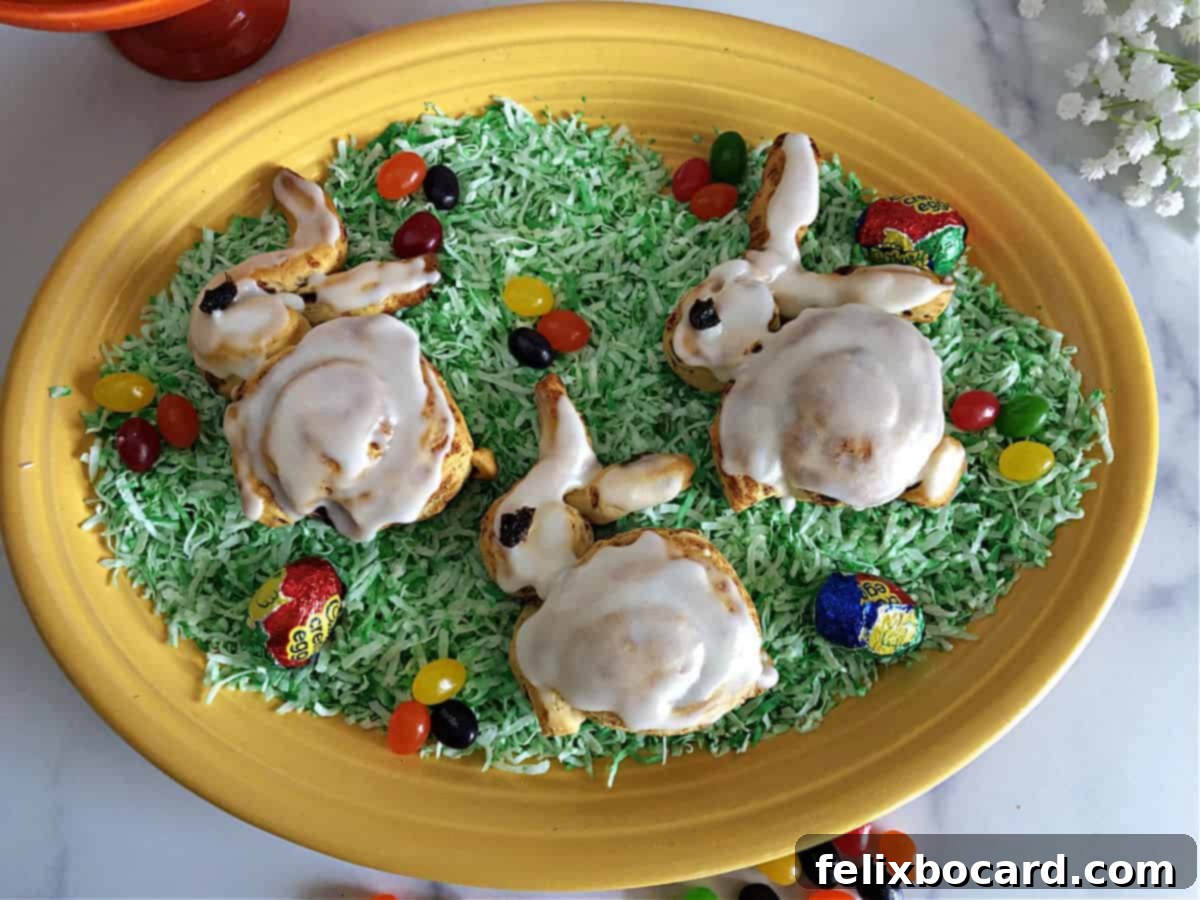
As Easter approaches, the joy of crafting delightful treats fills the air. While store-bought decorations are always an option, there’s something truly special about adding a personal, edible touch to your festive creations. Imagine a vibrant, soft bed of grass for your chocolate bunnies and colorful eggs that you can actually eat! Making your own edible Easter grass is not only incredibly simple but also adds a unique charm that manufactured versions simply can’t match. This guide will walk you through creating beautiful, delicious Easter grass from shredded coconut, perfect for enhancing your holiday display.
Why Choose Homemade Edible Easter Grass?
Opting for homemade edible Easter grass offers a plethora of benefits that extend beyond just aesthetics. Firstly, it provides a safe and delicious alternative to plastic grass, which can be a choking hazard for small children and pets, and often ends up as landfill waste. With edible grass, you get a zero-waste solution that’s both environmentally friendly and completely digestible.
Secondly, customization is key. You’re not limited to a single shade of green. You can create a palette of pastel colors—think soft pinks, baby blues, sunny yellows, and lavenders—to match any Easter theme. This allows for unparalleled creativity in your dessert presentations and Easter basket designs. Moreover, using high-quality ingredients means you control what goes into your grass, making it a great option for those with dietary restrictions or food sensitivities.
Finally, it’s a wonderfully fun and engaging activity for the whole family. Kids will love helping to mix and color the coconut, making it a memorable part of your Easter preparations. The process is quick, satisfying, and results in a stunning, tasty decoration that will surely impress your guests.
Gathering Your Simple Ingredients
Creating this charming edible decoration requires surprisingly few items, making it an accessible project for any home baker or crafter. The core components are shredded coconut, food coloring, and a touch of water. That’s it!
The Star Ingredient: Shredded Coconut
Shredded coconut is the ideal base for this project due to its texture, which mimics natural grass blades perfectly, and its mild flavor that complements most sweets. You have a choice between sweetened and unsweetened shredded coconut. Your decision should largely depend on how you plan to use the grass:
- Unsweetened Shredded Coconut: This is an excellent choice if your grass will primarily serve as a decorative bed for other very sweet items, like chocolate eggs, jelly beans, or sugary baked goods. It provides a textural contrast without adding excessive sweetness. It’s also a great option for those who prefer to control sugar intake.
- Sweetened Shredded Coconut: If you’re using the grass as a direct topping on cakes, cupcakes, or individual servings where you want an extra touch of sweetness, the sweetened variety might be preferred. It adds another layer of flavor that can enhance the overall dessert.
Both types will absorb the food coloring equally well, so the final look will be similar. Look for finely shredded coconut for the most realistic “grass” effect. Flaked coconut, while delicious, might create a broader, chunkier texture that resembles wood chips more than delicate blades of grass.
Adding Color: Food Coloring
For a classic Easter look, vibrant green food coloring is a go-to. However, don’t limit your imagination! Experiment with a rainbow of pastel hues to create a truly magical Easter display:
- Green: For a traditional spring grass look.
- Pink and Light Blue: Perfect for a whimsical, mixed pastel effect.
- Yellow: Evokes the warmth of spring and baby chicks.
- Purple: Adds a royal and playful touch.
You can use either liquid or gel food coloring. Gel food coloring often provides more vibrant, concentrated colors with less liquid, which is beneficial for avoiding overly wet coconut. If using liquid food coloring, a few extra drops might be needed to achieve your desired shade. Consider natural food colorings derived from vegetable extracts if you prefer to avoid artificial dyes.
The Essential Diluent: Water
A small amount of water is crucial for diluting the food coloring. This helps the color spread evenly throughout the coconut, preventing clumps of intensely colored coconut amidst paler strands. It ensures a consistent, uniform hue for your edible grass.
Crafting Your Edible Easter Grass: A Simple Guide
The process of transforming plain shredded coconut into festive edible grass is straightforward and requires minimal effort. Follow these easy steps to create your vibrant Easter decoration.
Step 1: Prepare Your Workstation
Before you begin, gather all your ingredients and tools. You’ll need:
- A large mixing bowl.
- A spoon or spatula for mixing.
- A small cup for mixing food coloring.
- A baking sheet (or two, depending on the amount of coconut).
- Parchment paper to line the baking sheet.
Lining your baking sheet with parchment paper is crucial. It prevents the colored coconut from sticking and makes for easy cleanup.
Step 2: Dilute the Food Coloring
In a small cup, combine approximately one teaspoon of water with 6 to 8 drops of your chosen food coloring. Stir well to ensure the color is fully dispersed in the water. This dilution step is key to achieving an even color on your coconut. If you’re aiming for a very light pastel, start with fewer drops and add more if needed.
Step 3: Color the Coconut
Pour the shredded coconut into your large mixing bowl. Slowly drizzle the colored water over the coconut. Now comes the fun part: mixing! Using your hands (wearing gloves is recommended to prevent stained fingers) or a sturdy spoon, thoroughly mix the coconut. Continue mixing until the color is evenly distributed throughout all the coconut strands. You want every piece to be coated with the desired hue, with no white patches remaining.
If, after initial mixing, the color isn’t as deep or vibrant as you’d like, you can repeat the process with another small batch of diluted food coloring. Remember, it’s easier to add more color than to remove it, so start gradually. Be mindful that adding too much liquid will extend the drying time significantly.
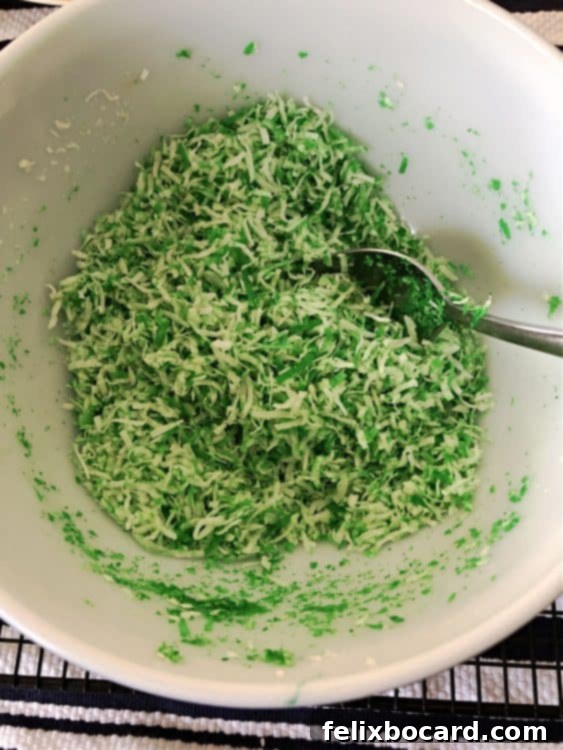
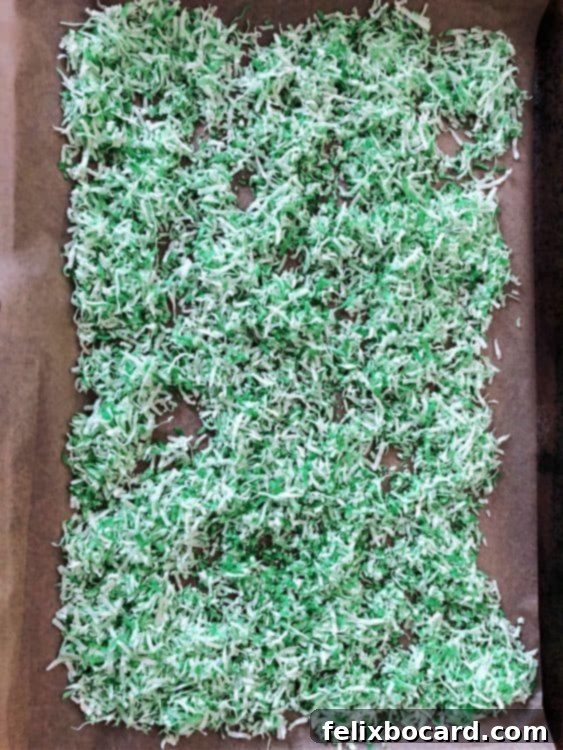
Step 4: Dry the Edible Grass
Once your coconut is perfectly colored, pour it onto the parchment paper-lined baking sheet. Spread the coconut out into a single, thin, even layer. This is crucial for uniform drying. Avoid clumping, as this will trap moisture and prolong the drying process, potentially leading to a less desirable texture.
Allow the colored coconut to air dry at room temperature. This typically takes several hours, or ideally, overnight. The goal is for the coconut to feel dry and slightly crispy, not damp or sticky. You can gently toss the coconut every few hours to expose all sides to the air, further aiding the drying process. For faster drying, you can place the baking sheet in a dehydrator or an oven set to its absolute lowest temperature (around 150-200°F / 65-95°C) for 30-60 minutes, stirring occasionally, but be very careful not to toast or burn the coconut. Air drying is the safest and most recommended method.
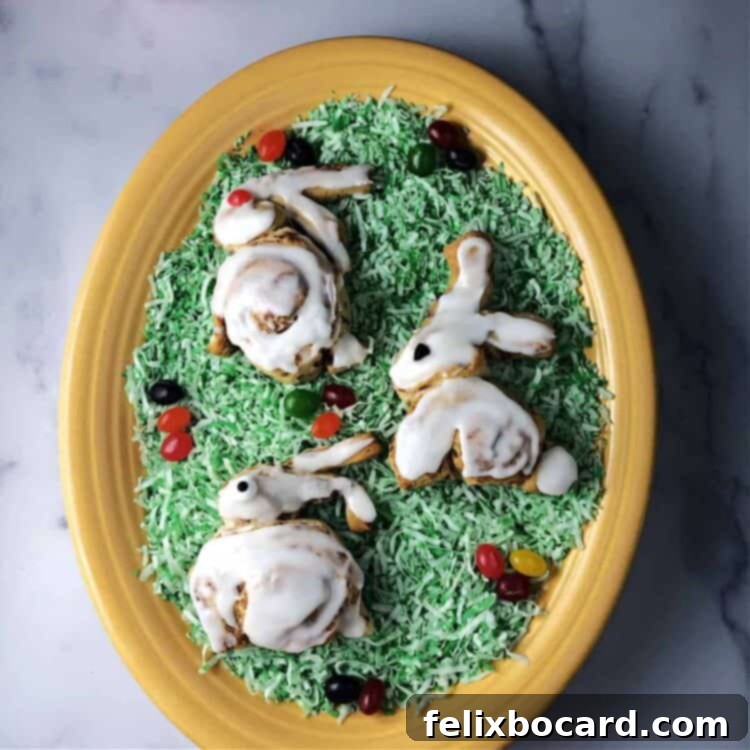
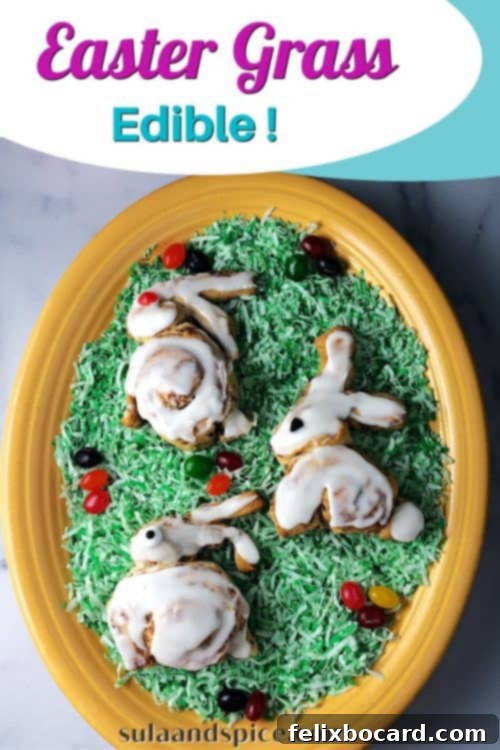
This beautiful edible Easter grass is perfect for creating enchanting scenes. I’ve used it to cradle adorable bunny cinnamon rolls, instantly transforming a breakfast treat into a festive centerpiece. It also makes a fantastic base for bunny dinner rolls, adding a whimsical touch to your Easter feast.
Creative Uses for Your Homemade Easter Grass
Once your edible Easter grass is perfectly dry and vibrant, the possibilities for its use are endless! Here are some creative ways to incorporate this delightful decoration into your Easter celebrations:
- Easter Baskets: Replace traditional plastic grass with this tasty alternative. It creates a soft, colorful bed for eggs, chocolates, and other treats, making the entire basket edible and eco-friendly.
- Dessert Platter Decor: Sprinkle a layer of grass on a serving platter before arranging cupcakes, cookies, or other individual desserts. It instantly elevates the presentation and ties everything into the Easter theme.
- Cupcake and Cake Toppers: Use a small mound of grass as a nest for mini chocolate eggs on top of cupcakes or as a border for an Easter-themed cake.
- Individual Treat Bowls: Fill small decorative bowls or clear cups with edible grass and then top with jelly beans, mini chocolate bunnies, or other Easter candies for charming individual servings. This is especially effective for parties or family gatherings.
- Edible Dioramas: Combine different colored grass to create scenes. Add small edible flowers, marzipan chicks, or sugar cookies shaped like bunnies for a truly imaginative display.
- “Bird’s Nests” on Brownies: Press a small amount of grass into the center of a freshly baked brownie or cookie, then fill with chocolate eggs for an adorable bird’s nest effect.
- Easter Brunch Table Decor: Use it as a decorative element around serving dishes or as part of a centerpiece, adding a fresh, spring-like feel to your table.
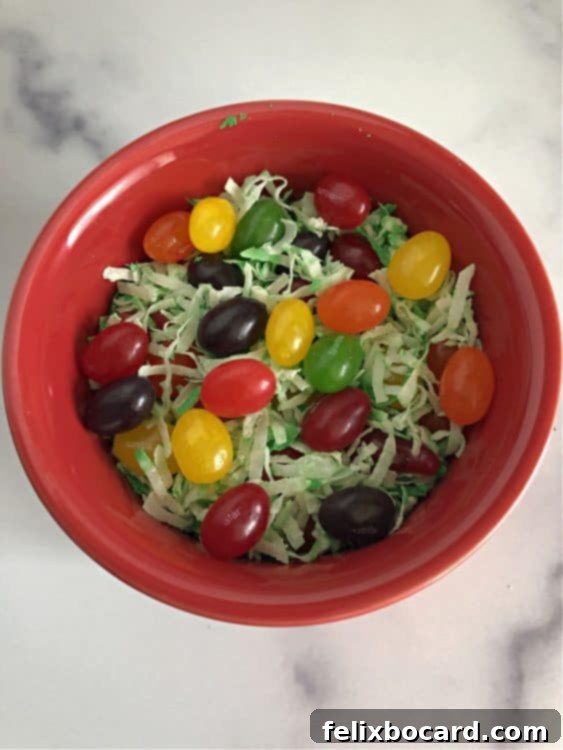
It’s also a wonderfully whimsical way to present your favorite Easter candy in any basket or bowl. Imagine a small red bowl, brimming with a fluffy green carpet, dotted with colorful jelly beans – a simple yet captivating display that invites everyone to indulge.
The versatility of this edible grass truly sparks creativity. I’m sure you’ll discover even more delightful ways to use it. How about incorporating it into your Easter-themed cupcakes? A small nest of green coconut on top, perhaps with a mini marshmallow peep nestled within, would be absolutely charming and completely edible!
Tips for Perfect Edible Easter Grass
Achieving consistently beautiful edible grass is easy with a few helpful tips:
- Even Coloring: Take your time when mixing the coconut and food coloring. The key to a vibrant, uniform color is thorough mixing. If using your hands, wear food-safe gloves to prevent staining and ensure good distribution.
- Don’t Over-Wet: While water helps dilute the food coloring, too much liquid will make the coconut soggy and increase drying time significantly. It can also lead to a clumpier, less “grass-like” texture. Start with the recommended amount and add more coloring solution sparingly if a deeper shade is desired.
- Patience with Drying: Air drying is the best method to preserve the coconut’s texture. Rushing the process with high heat can toast the coconut, altering its color and flavor. Ensure it’s completely dry before storing to prevent mold.
- Storage: Once fully dry, store your edible Easter grass in an airtight container at room temperature. It will retain its color and texture for several weeks, making it a great make-ahead Easter decoration. Keep it away from direct sunlight to prevent color fading.
- Experiment with Colors and Flavors: Don’t be afraid to try different color combinations. You can also add a tiny drop of extract, such as vanilla or coconut, to the colored water for an extra layer of flavor.
- Consider Dietary Needs: If serving to guests with allergies, ensure your coconut is free of common allergens. Opt for unsweetened coconut for a less sugary option, and natural food dyes for those avoiding artificial colors.
Troubleshooting Common Edible Grass Issues
Even with a simple recipe, sometimes small challenges arise. Here’s how to tackle them:
- Uneven Color: If your grass looks patchy, it’s usually due to insufficient mixing. If it’s still damp, you can add a tiny bit more diluted food coloring and mix again thoroughly. If it’s already dry, you might need to make a small batch of more intensely colored grass to mix in.
- Coconut Too Wet/Clumpy: If you’ve accidentally added too much liquid, spread the coconut out very thinly on your baking sheet. You can also use a paper towel to gently blot some excess moisture before spreading it. Ensure excellent air circulation during drying.
- Fading Color: Food coloring can sometimes fade over time, especially if exposed to bright light. Storing the dried grass in an opaque, airtight container in a cool, dark place will help maintain its vibrancy.
- Coconut Not Drying: High humidity can significantly slow down air drying. If your environment is particularly humid, consider using a dehydrator on a low setting or a very low oven, being vigilant to prevent burning. Ensure the layer is as thin as possible.
Variations and Alternatives for Edible Decor
While coconut makes fantastic edible grass, there are other creative ideas to explore for your Easter decor:
- Different Textures: For a slightly different look, you can use finely crushed green-colored cornflakes or rice cereal. Simply add food coloring to the cereal and toss until coated, then allow to dry.
- Powdered Sugar “Snow”: For a winter-themed Easter (perhaps for a bunny tableau), use powdered sugar for a snowy effect.
- Edible Flowers: Complement your grass with candied violets or other edible flowers for an even more elaborate and beautiful display.
- Sugar Grass: Green-tinted granulated sugar can create a sparkling, fine “grass” texture, especially good for smaller decorations on cookies or cake pops.
Embrace the holiday spirit and let your creativity flourish. With this homemade edible Easter grass, your treats and displays will not only look festive but also offer a delightful surprise for anyone who takes a bite!
📖 Recipe: Easy Edible Easter Grass
Edible Easter Grass
An easy and fun recipe to make your own decorative and delicious Easter grass!
Prep Time: 5 minutes
Drying Time: 8 hours
Total Time: 8 hours 5 minutes
Course: Side Dish
Cuisine: American
Servings: 20
Calories: 45 kcal
Author: Sula
Ingredients
- 2 cups shredded coconut (sweetened or unsweetened)
- Green food coloring (liquid or gel)
- 1 teaspoon water
Instructions
- In a small cup, mix a teaspoon of water with 6 to 8 drops of green food coloring. Adjust the number of drops for desired intensity.
- Place the coconut in a mixing bowl and sprinkle the colored water mix over the top. Mix very well to incorporate the color evenly throughout the coconut.
- Once the color is evenly distributed, you may choose to repeat step 1 and 2 to deepen the coconut color if desired. Remember, more liquid will extend drying time.
- Spread the colored coconut out onto a parchment paper-lined baking sheet in a single, thin layer.
- Allow to air dry for several hours, preferably overnight, until completely dry and slightly crispy. Gently toss occasionally to ensure even drying.
Nutrition
Calories: 45kcal | Carbohydrates: 4g | Protein: 1g | Fat: 3g | Saturated Fat: 3g | Sodium: 24mg | Potassium: 30mg | Fiber: 1g | Sugar: 4g | Vitamin C: 1mg | Calcium: 1mg | Iron: 1mg
Nutrition values are estimates only, calculated using online tools. Please verify using your own data for precise information.