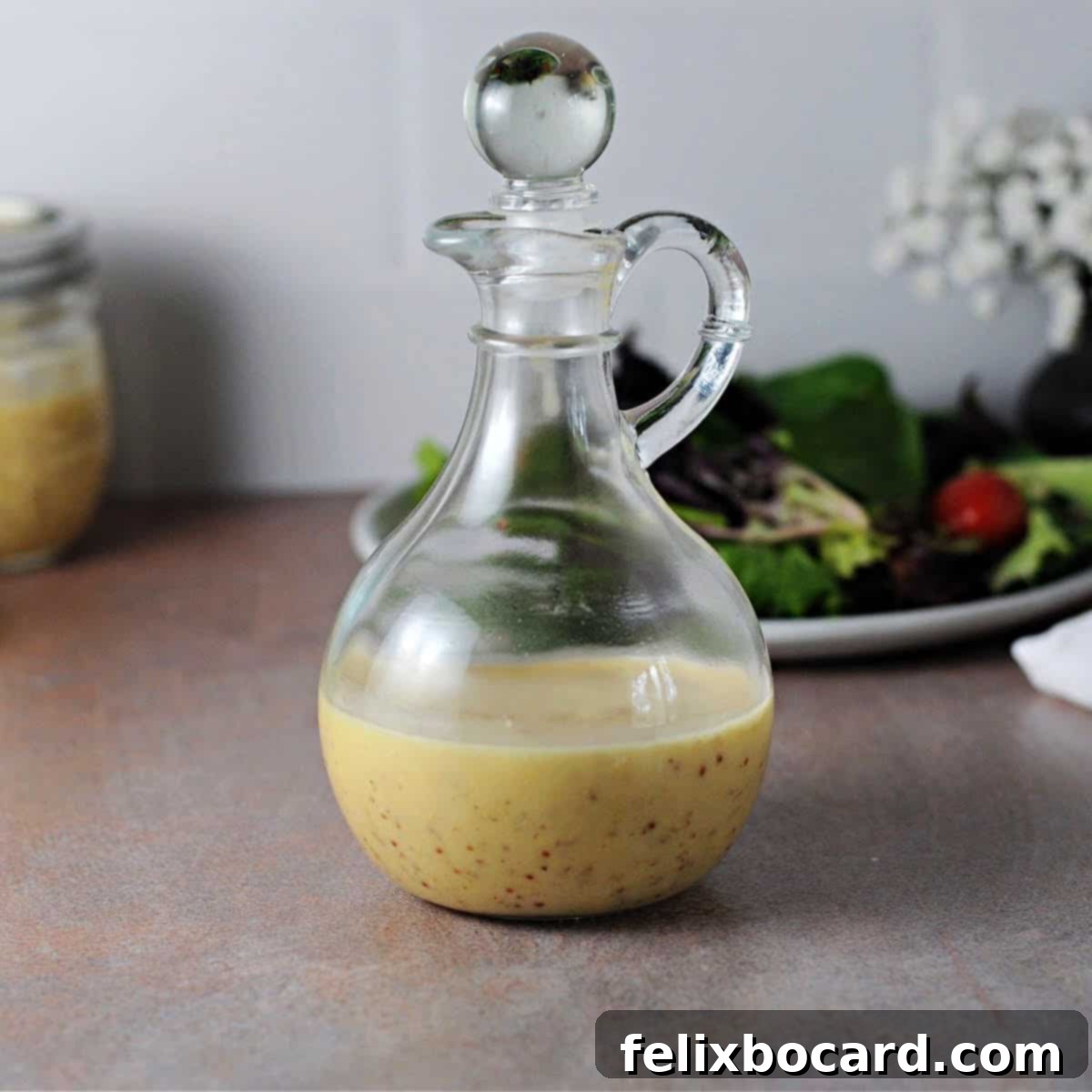
Homemade Red Wine Shallot Vinaigrette: Your Ultimate Guide to a Flavorful, Healthy Dressing
Step away from the processed options and discover the delightful simplicity of homemade salad dressings. Among the healthiest and most versatile choices, vinaigrettes reign supreme. Built upon the classic foundation of olive oil and vinegar, they offer a refreshing alternative to heavy, creamy dressings that often negate the nutritional benefits of your salad. Today, we’re diving into a recipe that promises to transform your meals: a vibrant Red Wine Shallot Vinaigrette.
This exquisite dressing is a testament to how fresh, simple ingredients can create profound flavors. It brings a remarkable “zing” to your palate, courtesy of the robust red wine vinegar and the pungent kick of quality mustard. Beyond its incredible taste, it’s a wholesome choice, allowing you complete control over every ingredient that nourishes your body. Forget the hidden sugars, unhealthy oils, and artificial preservatives found in store-bought bottles; with this recipe, you’re embracing pure, unadulterated goodness.
The magic of this particular vinaigrette lies in its unique balance. The delicate sweetness and mild oniony punch of finely minced shallots perfectly complement the sharp acidity of the red wine vinegar. It’s a combination that truly sings, especially when paired with salads featuring bolder flavors. Imagine it drizzled over a vibrant bowl of crisp greens, crumbled feta cheese, and sun-ripened tomatoes, where its lively character cuts through richness and brightens every bite. It also exceptionally enhances protein-rich salads, like a classic Niçoise, beautifully balancing the richness of tuna.
Prepare to fall in love. Once you master this easy Red Wine Shallot Vinaigrette, you’ll find yourself eager to incorporate it into all your favorite salad creations and beyond. It’s more than just a dressing; it’s a cornerstone for healthier, more flavorful eating.
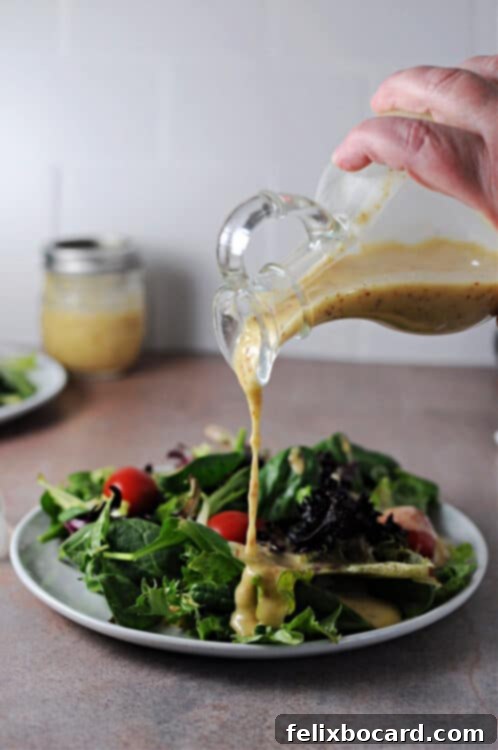
Why Homemade Salad Dressing Is a Culinary Essential
In the quest for healthier eating and elevated culinary experiences, homemade salad dressing emerges as a clear winner over its store-bought counterparts. The process is surprisingly fast, incredibly easy, and yields results that are far superior in taste and nutritional value. Here’s a deeper look into why making your own Red Wine Shallot Vinaigrette is a game-changer for your kitchen and your health.
Unparalleled Control Over Ingredients
When you prepare your dressing from scratch, you gain complete autonomy over every single ingredient. This means you can hand-select fresh, high-quality components, ensuring your dressing is free from unwanted additives. Commercial dressings often contain artificial preservatives, excessive sodium, and hidden sugars, which can undermine the health benefits of your otherwise nutritious salad. With homemade, you know exactly what goes in, offering peace of mind and contributing directly to a cleaner diet.
Embracing Heart-Healthy Fats
A significant advantage of this particular vinaigrette is its foundation of extra-virgin olive oil. This liquid gold is renowned for its heart-healthy monounsaturated fats, which have been linked to improved cholesterol levels and a reduced risk of heart disease. Unlike many commercial dressings that rely on cheaper, often highly processed vegetable oils (like soybean, canola, or corn oil, which may be inflammatory or genetically modified), opting for a premium extra-virgin olive oil ensures you’re adding beneficial fats to your diet. It feels incredibly good to know your dressing is contributing to your overall well-being, rather than canceling out all the goodness in your fresh salad.
Superior Freshness and Vibrant Flavor
The difference in taste between homemade and store-bought dressing is immediate and unmistakable. Freshly minced shallots, zesty lemon juice, and aromatic red wine vinegar truly shine when combined just before serving. The flavors are bright, distinct, and alive. Store-bought dressings, formulated for a long shelf life, often use artificial flavors or concentrated ingredients that can taste flat or overly sweet. When you make it yourself, you experience the genuine, dynamic flavors intended to enhance, not overshadow, your salad.
Customization to Your Exact Palate
One of the joys of cooking at home is the freedom to customize. With homemade vinaigrette, you are the chef. Do you prefer a bolder tang? Add a touch more red wine vinegar. Craving a hint more sweetness? A pinch of sugar can perfectly balance the acidity. Want to infuse it with fresh herbs like thyme or oregano? Go for it! This flexibility allows you to tailor the dressing to perfectly complement your specific salad ingredients or personal taste preferences, making every meal a truly bespoke culinary experience.
Simplicity and Efficiency
Despite the perceived complexity, making this Red Wine Shallot Vinaigrette takes mere minutes. It’s an incredibly efficient way to elevate your cooking without requiring extensive time or effort. A few quality ingredients, a quick blend, and you have a gourmet dressing ready to impress. This efficiency makes healthy eating more accessible and enjoyable, proving that delicious and nutritious can also be convenient.
In essence, choosing homemade salad dressings like this Red Wine Shallot Vinaigrette isn’t just about cooking; it’s about taking charge of your health, savoring fresher flavors, and adding a touch of personalized culinary artistry to your daily meals.
The Heart of the Vinaigrette: A Closer Look at Key Ingredients
Every exceptional recipe begins with exceptional ingredients, and this Red Wine Shallot Vinaigrette is no exception. Understanding the role and characteristics of each component is key to achieving its signature bold and harmonious flavor. Here’s an in-depth look at what makes this dressing truly special.
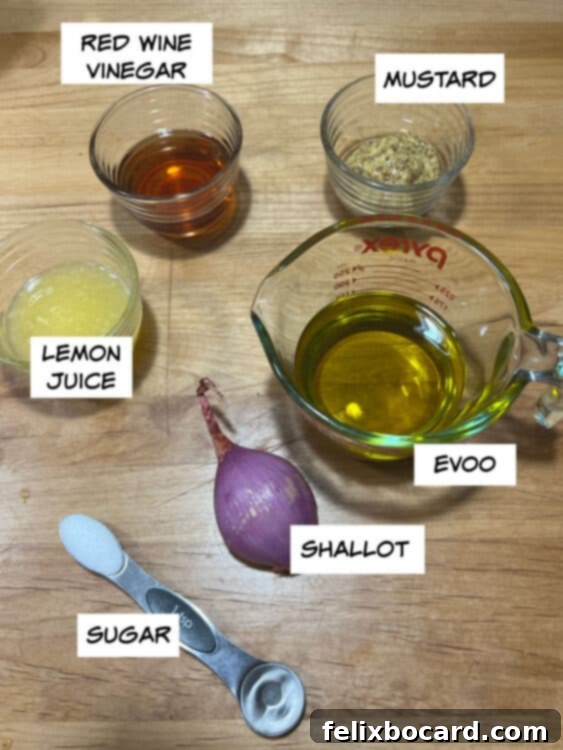
For exact measurements and step-by-step instructions, please refer to the detailed recipe card at the bottom of this page.
Ingredient Spotlight:
- Extra Virgin Olive Oil (EVOO): The foundation of any great vinaigrette, EVOO provides the luxurious body and a significant portion of the flavor. Choose a high-quality, cold-pressed extra virgin olive oil for its rich, fruity, and sometimes peppery notes. It’s not just about flavor; EVOO is brimming with monounsaturated fats and antioxidants, making it a cornerstone of a heart-healthy diet. Since dressings are consumed raw, the delicate nuances and nutritional integrity of EVOO are perfectly preserved.
- Red Wine Vinegar: This is where the “red wine” in our vinaigrette comes from, contributing a robust, tangy, and slightly fruity acidity. Red wine vinegar provides the essential sharpness that brightens your salad and balances the richness of the olive oil. A good quality red wine vinegar will have a clean, complex flavor without being overly harsh or astringent. Its vibrant color also adds a beautiful hue to the finished dressing.
- Stone Ground or Grainy Mustard: More than just a flavor enhancer, mustard is a crucial natural emulsifier in vinaigrettes. It helps to bind the oil and vinegar together, preventing them from separating quickly into distinct layers. Stone-ground or grainy mustard specifically adds a wonderful textural element and a deep, earthy, and spicy flavor profile that beautifully complements the other ingredients. Dijon mustard can be used for a smoother texture and a slightly sharper, more classic taste.
- Freshly Squeezed Lemon Juice: A squeeze of fresh lemon juice introduces a bright, citrusy counterpoint, adding another layer of zesty acidity and freshness. It helps to lift and enliven all the flavors in the dressing, ensuring it doesn’t taste flat. Always opt for fresh over bottled lemon juice; the difference in vibrancy and aroma is remarkable.
- Shallot: The shallot is arguably the star aromatic of this vinaigrette. Milder and sweeter than common onions, with a subtle hint of garlic, finely minced shallots infuse the dressing with a delicate, aromatic sweetness and a nuanced onion flavor without being overpowering. Their gentle pungency adds depth and sophistication, making the dressing more complex and interesting.
- Granulated Sugar: A small amount of sugar is vital for balancing the intense acidity of the red wine vinegar and the sharpness of the mustard. It rounds out the flavors, preventing the dressing from being too harsh or aggressively tart. The quantity is flexible, allowing you to adjust the sweetness to your personal preference and the specific characteristics of your other ingredients.
- Salt and Freshly Ground Black Pepper: These fundamental seasonings are indispensable. They don’t just add their own flavor; they enhance and amplify the natural tastes of all the other ingredients, bringing everything into perfect harmony. Seasoning to taste is crucial here to achieve a perfectly balanced and flavorful vinaigrette.
By appreciating the unique contribution of each ingredient, you’ll not only prepare this Red Wine Shallot Vinaigrette with greater confidence but also develop a deeper understanding of flavor layering, a skill that will serve you well in all your culinary endeavors.
Crafting Perfection: Your Step-by-Step Guide to Red Wine Shallot Vinaigrette
Creating this delicious Red Wine Shallot Vinaigrette is a straightforward and rewarding process. The beauty lies in its simplicity and the speed at which it comes together. With just a few minutes of effort, you can have a gourmet-quality dressing ready to elevate any meal. Follow these easy steps to achieve a perfectly emulsified and flavorful vinaigrette every time.
Step 1: The Essential Shallot Preparation
The only real “prep work” for this recipe involves the shallot. While you could coarsely chop it, I highly recommend mincing the shallot very finely. A fine mince ensures that its delicate oniony flavor is evenly distributed throughout the dressing without any large, overpowering chunks. It also contributes to a smoother, more refined texture in the final product.
Expert Tip for Mincing: For an effortlessly fine mince, you can use a microplane grater, which will produce an almost paste-like consistency, releasing maximum flavor. Alternatively, a very sharp knife is ideal: peel the shallot, cut it in half lengthwise, then make several parallel horizontal cuts almost to the root, followed by several vertical cuts. Finally, slice across these cuts to create tiny, uniform pieces. The finer the mince, the better the shallot’s essence will infuse the dressing.
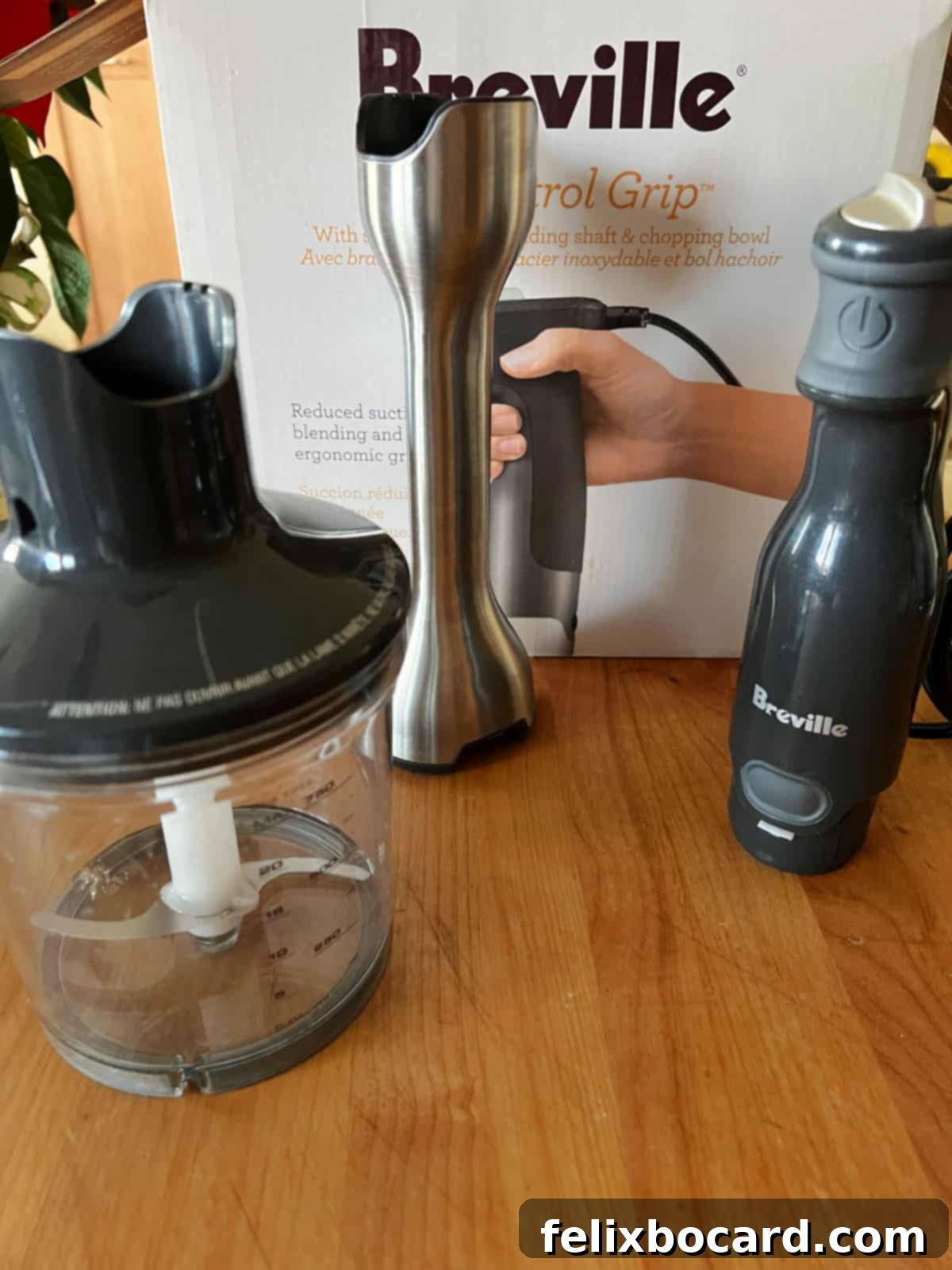
Step 2: Combining and Emulsifying Your Ingredients
Once your shallot is prepped, the remaining steps are incredibly quick. Gather all your measured ingredients and combine them in your chosen blending tool. The goal here is emulsification – blending the oil and vinegar, which typically separate, into a stable, creamy mixture. This is where your equipment makes a difference.
Choosing Your Tool for Emulsification:
- Small Blender or Food Processor: This is my absolute favorite method for achieving a perfectly smooth and creamy emulsion. The high-speed blades quickly break down the oil into tiny droplets, allowing them to suspend evenly throughout the vinegar and other ingredients. In just 30-60 seconds, you’ll have a beautifully combined dressing. An immersion blender (also known as a stick blender) works equally well and offers the convenience of blending directly in a tall measuring cup or even a wide-mouth jar.
- Covered Jar: If you don’t have a blender, a jar with a tight-fitting lid is a perfectly viable option. Simply add all the ingredients, secure the lid, and shake vigorously for 1-2 minutes. While it may require a bit more arm strength and the dressing might separate a little quicker over time compared to a blender-made version, it will still yield a delicious and well-combined vinaigrette. There’s truly no amount of manual shaking that can replicate the efficiency and stability of a blender’s emulsifying power!
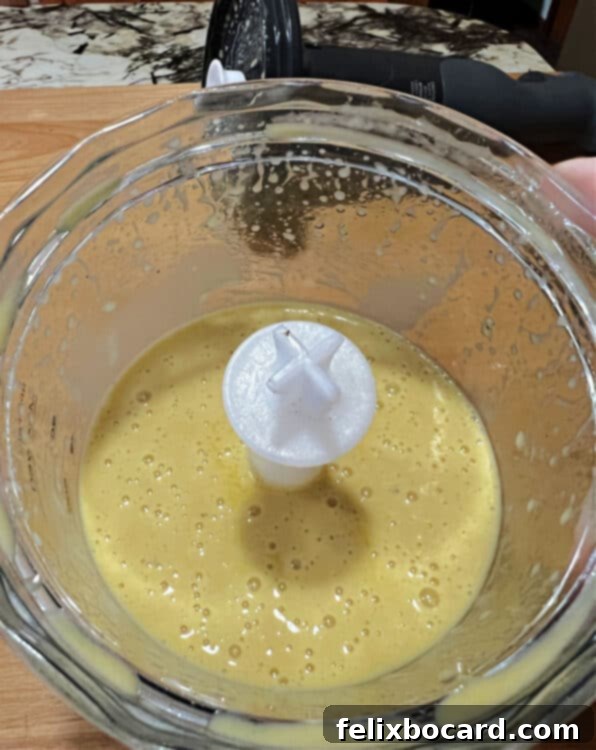
Step 3: The Crucial Taste and Adjust Phase
After blending, it’s essential to give your vinaigrette a quick taste test. This allows you to fine-tune the flavors to your exact preference. If you find the dressing tastes too sharp, overly acidic, or intensely “mustard-y,” this is the moment to adjust. I often add another teaspoon of sugar at this point, which wonderfully smooths out any harsh edges and brings all the flavors into perfect harmony.
Also, check for salt and pepper. Different brands of red wine vinegar and mustard can have varying levels of intensity, so your palate is the ultimate guide here. Adjust until the dressing tastes balanced, vibrant, and exactly to your liking.
Step 4: Storage and Enjoyment
Once perfected, your homemade Red Wine Shallot Vinaigrette is ready for immediate use or storage. Transfer it to a clean, airtight container and refrigerate. It will maintain its freshness and robust flavor for 1 to 2 weeks. Before each subsequent use, simply give the container a good shake or a quick whisk, as some natural separation of the oil and vinegar may occur over time. This is a normal and expected characteristic of a truly fresh, preservative-free homemade dressing.
With these simple steps, you’re well on your way to enjoying a superior homemade dressing that will elevate countless meals.
Elevate Your Plate: Versatile Serving Suggestions for Red Wine Shallot Vinaigrette
The beauty of this Red Wine Shallot Vinaigrette lies not only in its ease of preparation and incredible flavor but also in its remarkable versatility. Its bold, tangy, and aromatic profile makes it much more than just a salad dressing; it’s a culinary asset that can enhance a wide array of dishes. Here are some inspiring ways to incorporate this vibrant vinaigrette into your meals.
Beyond the Leafy Greens: Creative Salad Pairings
- Robust Greens & Strong Cheeses: This vinaigrette truly shines when paired with sturdier greens like arugula, radicchio, endive, or even baby kale. Its acidity beautifully cuts through the peppery bitterness of these greens. Couple it with salty, crumbly cheeses such as feta, goat cheese, or sharp blue cheese for a dynamic flavor contrast that will awaken your taste buds.
- Mediterranean Medley: The flavors of this dressing are a natural fit for Mediterranean-inspired salads. Combine it with crisp cucumbers, Kalamata olives, thinly sliced red onions, vibrant bell peppers, and, most importantly, juicy, ripe tomatoes. A simple bowl of thick-cut heirloom tomatoes, drizzled generously with this vinaigrette, perhaps with a sprinkle of fresh basil, is pure summer bliss. The shallot and red wine vinegar truly amplify the tomatoes’ natural sweetness.
- Classic Niçoise Reinvented: As previously highlighted, this dressing is an impeccable choice for a traditional Niçoise salad. Its bold character harmonizes wonderfully with the various components—flaked tuna, tender green beans, hard-boiled eggs, olives, and small potatoes—tying all the distinct flavors together into a cohesive and incredibly satisfying dish.
- Hearty Grain Bowls & Roasted Vegetables: Don’t limit this vinaigrette to cold salads. It’s magnificent when drizzled over warm grain bowls featuring quinoa, farro, or bulgur, especially when loaded with roasted seasonal vegetables like asparagus, Brussels sprouts, bell peppers, or broccoli. The bright, tangy dressing provides a fantastic counterpoint to the earthy and caramelized flavors of the grains and veggies.
Unconventional Uses: Taking Your Vinaigrette Further
- Dynamic Marinade for Proteins: The acidity of this vinaigrette makes it an excellent marinade. Use it to tenderize and infuse flavor into chicken breasts, pork tenderloin, or flaky white fish like cod or halibut before grilling, baking, or pan-searing. Marinate for at least 30 minutes, or up to a few hours for deeper flavor penetration.
- Grilled Vegetable Enhancer: Brush the Red Wine Shallot Vinaigrette onto vegetables such as zucchini, eggplant slices, portobello mushrooms, or bell peppers before they hit the grill. The heat will slightly caramelize the shallots and mellow the vinegar, resulting in beautifully charred, deeply flavored grilled vegetables that are bursting with zest.
- Light Pasta Salad Base: Move away from heavy, mayonnaise-based pasta salads. This vinaigrette creates a light, refreshing, and incredibly flavorful dressing for cold pasta salads. Toss it with cooked pasta, halved cherry tomatoes, fresh mozzarella balls, and some chopped fresh basil for a vibrant and satisfying side dish or light lunch.
- Gourmet Bruschetta Topping: Elevate your bruschetta game by mixing finely diced ripe tomatoes with a generous amount of this vinaigrette, a handful of fresh chopped basil, and a touch more salt and pepper. Spoon this mixture over crispy toasted baguette slices for an appetizer that bursts with fresh, tangy flavor.
Embrace the versatility of your homemade Red Wine Shallot Vinaigrette. Its bright, bold, and healthful profile is sure to inspire new culinary adventures and become a cherished staple in your kitchen, proving that a simple dressing can indeed transform an entire meal.
Expert Tips and Frequently Asked Questions (FAQ)
To ensure your Red Wine Shallot Vinaigrette turns out perfectly every time and to address any common queries, here are some expert tips and detailed answers to frequently asked questions.
While it is technically possible to use regular olive oil (often labeled as “cooking olive oil”) for a vinaigrette, I strongly advise against it for this recipe. Extra-virgin olive oil (EVOO) is the superior choice for several compelling reasons:
- Flavor Profile: EVOO is the first cold-pressing of olives, preserving its natural fruity, peppery, and often grassy notes. These complex flavors are crucial to the richness and depth of a high-quality dressing. Regular olive oil, being more refined, has a much milder, less distinct flavor that won’t contribute the same vibrancy to your vinaigrette.
- Nutritional Integrity: EVOO is rich in beneficial monounsaturated fats and powerful antioxidants. When consumed raw, as in a dressing, you reap the full spectrum of these health benefits. Regular olive oil undergoes more processing, which can diminish some of these valuable compounds.
- Purpose of Use: Regular olive oil has a higher smoke point, making it suitable for high-heat cooking. However, for a dressing where no heat is applied, EVOO’s lower smoke point is irrelevant, and its superior flavor and nutritional advantages make it the optimal ingredient. For the best flavor, health benefits, and overall quality of your Red Wine Shallot Vinaigrette, always reach for a good quality extra-virgin olive oil.
The recommended amount of sugar in this vinaigrette recipe is given as a range (1 to 2 teaspoons) because flavor balance is highly subjective and depends on various factors:
- Ingredient Variability: The acidity of red wine vinegar and the pungency of mustard can vary significantly between different brands and even batches. Some vinegars might be sharper, and some mustards more intense. More acidic or robust ingredients will naturally require a bit more sugar to achieve a harmonious balance.
- Personal Preference: Ultimately, taste is personal. Some individuals prefer a tangier dressing that offers a more pronounced “zing,” while others enjoy a slightly sweeter, more mellow profile. The range allows you to customize the dressing to your exact liking.
Method for Adjustment: To achieve your ideal balance, start with the lower recommended amount of sugar (1 teaspoon). Blend the dressing, then taste it carefully. If you find it too sharp, acidic, or overly “mustard-y,” add the second teaspoon of sugar and blend again. This iterative tasting and adjusting process ensures your vinaigrette is perfectly balanced and delicious, catering precisely to your palate.
While both shallots and garlic belong to the allium family and share aromatic qualities, they are not direct substitutes in terms of flavor intensity and nuance for this specific vinaigrette. Shallots offer a much milder, sweeter, and more delicate onion flavor, often with subtle hints of garlic, contributing to the dressing’s refined taste without overpowering it. Raw garlic, on the other hand, can be significantly more pungent and intense, potentially dominating the other balanced flavors of the vinaigrette.
If you prefer a more garlicky dressing, you could experiment by adding a very small amount of finely minced garlic (perhaps half a clove) in addition to, or as a partial substitute for, the shallot. However, for the authentic, nuanced taste of this Red Wine Shallot Vinaigrette, sticking to shallots is highly recommended to maintain its delicate balance.
It is entirely normal and expected for homemade vinaigrettes to separate into layers, especially after being refrigerated for a period. This phenomenon is a natural characteristic of a dressing made with fresh, natural ingredients and without the artificial stabilizers commonly found in commercial products. The oil and vinegar, being immiscible liquids, will naturally want to separate over time.
This separation is not a sign that your dressing has gone bad. Simply give the container a good, vigorous shake or a quick whisk with a fork just before you plan to use it. This action will re-emulsify the ingredients, bringing the dressing back to its smooth, creamy consistency, ready to be drizzled over your favorite salad. It’s a simple fix and a clear indicator of a truly natural, preservative-free dressing!
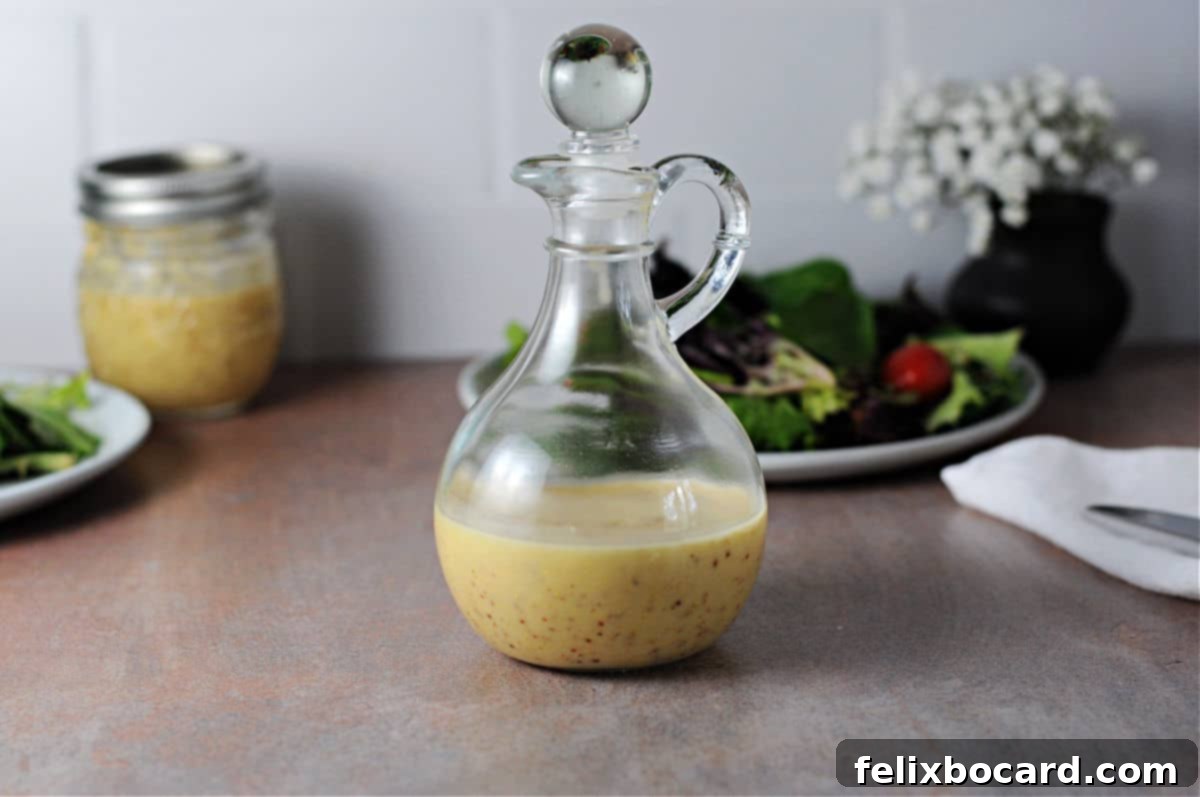
Discover More Homemade Salad Dressings to Love
If you’ve enjoyed the fresh flavors and health benefits of crafting your own Red Wine Shallot Vinaigrette, you’ll be delighted to explore the vast and varied world of other homemade dressings. Each offers a unique flavor profile to complement different salads and dishes, making your culinary repertoire even more exciting and delicious. Here are some other fantastic homemade salad dressing recipes to inspire your next kitchen adventure:
- Classic Balsamic Vinaigrette Dressing: A universally loved staple, this rich and tangy dressing is incredibly versatile and pairs beautifully with almost any green salad, grilled vegetables, or even as a marinade.
- Sweet & Fruity Raspberry Balsamic Vinaigrette: A delightful twist on the traditional balsamic, this recipe incorporates fresh raspberries for a burst of sweet-tart fruitiness, perfect for summer salads, especially those with berries, goat cheese, or pecans.
- Bright & Zesty Meyer Lemon Vinaigrette: Utilizing the unique characteristics of Meyer lemons – which are sweeter and less acidic than regular lemons – this vinaigrette offers a wonderfully bright, aromatic, and delicate citrus flavor, ideal for seafood salads or tender spring greens.
- Zingy Cilantro-Lime Sauce or Dressing: While often enjoyed as a vibrant sauce for Mexican-inspired dishes like tacos or grilled chicken, this fresh and herbaceous concoction also serves as an amazing dressing for southwestern salads, grain bowls, or a refreshing topping for black bean dishes.
Expanding your collection of homemade dressings allows for endless culinary creativity, ensuring every meal is a fresh, flavorful, and wholesome experience.
📖 Red Wine Shallot Vinaigrette Recipe
Red Wine Shallot Vinaigrette
This bold, homemade Red Wine Shallot Vinaigrette offers a perfect balance of tang and sweetness. It’s an easy, healthy dressing that will complement many salads and elevate your everyday meals with its fresh, aromatic flavors.
Prep Time: 5 mins
Total Time: 5 mins
Course: Salad
Cuisine: American
Servings: 10
Calories: 135 kcal per serving
Author: Sula
Ingredients
- ⅔ cup extra virgin olive oil
- ¼ cup stone ground or other grainy mustard
- ¼ cup red wine vinegar
- ¼ cup fresh squeezed lemon juice
- 1 medium shallot, finely minced
- 1 – 2 teaspoons granulated sugar (adjust to taste)
- Salt and freshly ground black pepper to taste
Instructions
- Add all ingredients, starting with 1 teaspoon of sugar, to a small blender, food processor, or a jar with a tight-fitting lid.
- Cover and blend (or shake vigorously if using a jar) until all ingredients are fully combined and the dressing is smooth and emulsified, about 30-60 seconds in a blender.
- Taste the vinaigrette and adjust as needed with additional salt, pepper, and/or an extra teaspoon of sugar to achieve your preferred balance of flavors.
- Store the Red Wine Shallot Vinaigrette, refrigerated, in a covered airtight container for up to 2 weeks. Shake well before each use.
Video
Nutrition
Calories: 135 kcal | Carbohydrates: 1g | Protein: 1g | Fat: 15g | Saturated Fat: 2g | Polyunsaturated Fat: 2g | Monounsaturated Fat: 11g | Trans Fat: 1g | Sodium: 70mg | Potassium: 26mg | Fiber: 1g | Sugar: 1g | Vitamin A: 5IU | Vitamin C: 3mg | Calcium: 6mg | Iron: 1mg
Nutrition values are estimates only, using online calculators. Please verify using your own data.